Konami Orange Box Famciom line – complete set

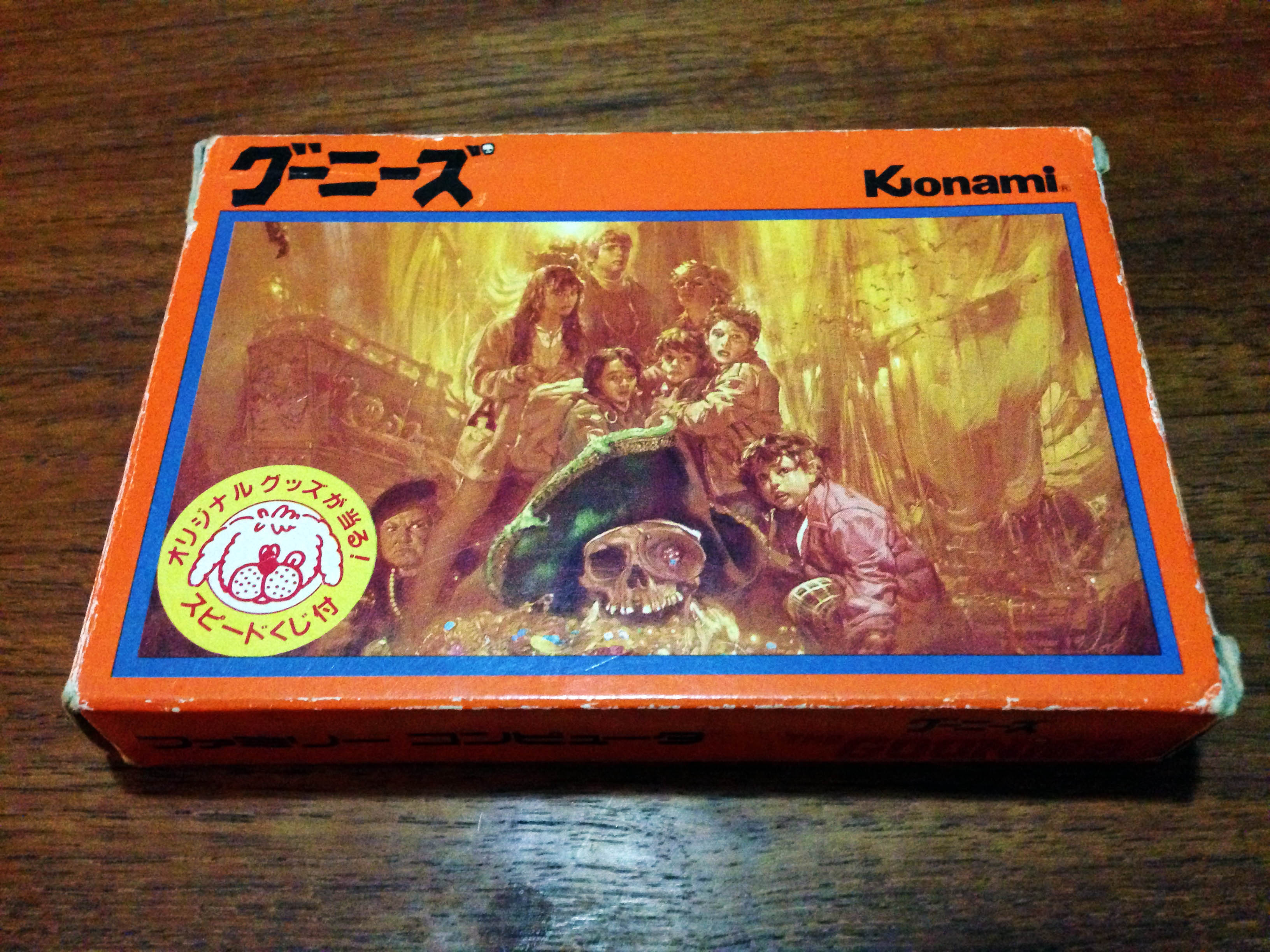
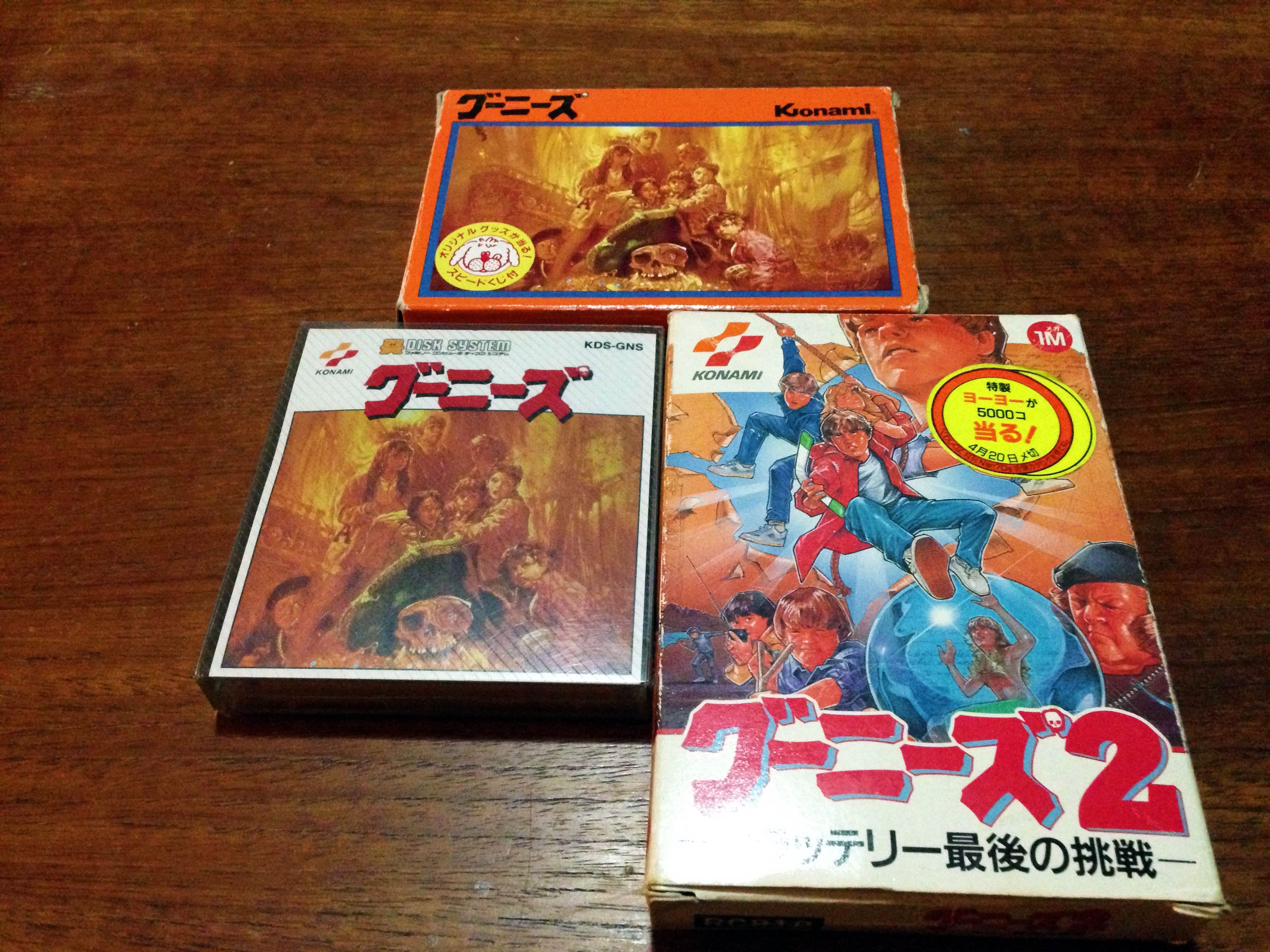
Konami’s first Famicom line was basically a direct copy of the Nintendo template, except with consistent  orange colouring. There were seven games in the series, and this is the complete setKonamiBoxes_3465 Road Fighter, Antarctic Adventue, Hyper Sports, Twinbee, Hyper Olympic, Yie Air Kung Fu, and Goonies.KonamiBoxes_3467Goonies was somewhat of a transition game – it skips the uniform ‘FAMILY COMPUTER’ branded sides of the preceding six releases and started the short-lived ‘puppy face’ icon period. The next Konami release was Gradius, which is I believe the final Konami release to feature the old 70s style logo.KonamiBoxes_3475The next evolution is shown here in King Kong 2 – which maintained the size of Gradius and introduced the new Konami logo.KonamiBoxes_3478Contra is an early example of the final evolution, with the artwork framed by a bright colour which covered the rest of the box, and the Konami logo on a white background in the top left corner. Almost every Konami game for the rest of the Famicom generation followed this final template.KonamiBoxes_3480

KonamiBoxes_3484
Of course there are exceptions to every rule…

It’s nowhere near as consistent as their flawless Famicom Disk release presentation. But it’s still a relatively classy line.

Konami Famicom evolution, 1984 – 1988.KonamiBoxes_3481

Donkey Kong Jr. Panorama Screen – Nintendo Game and Watch

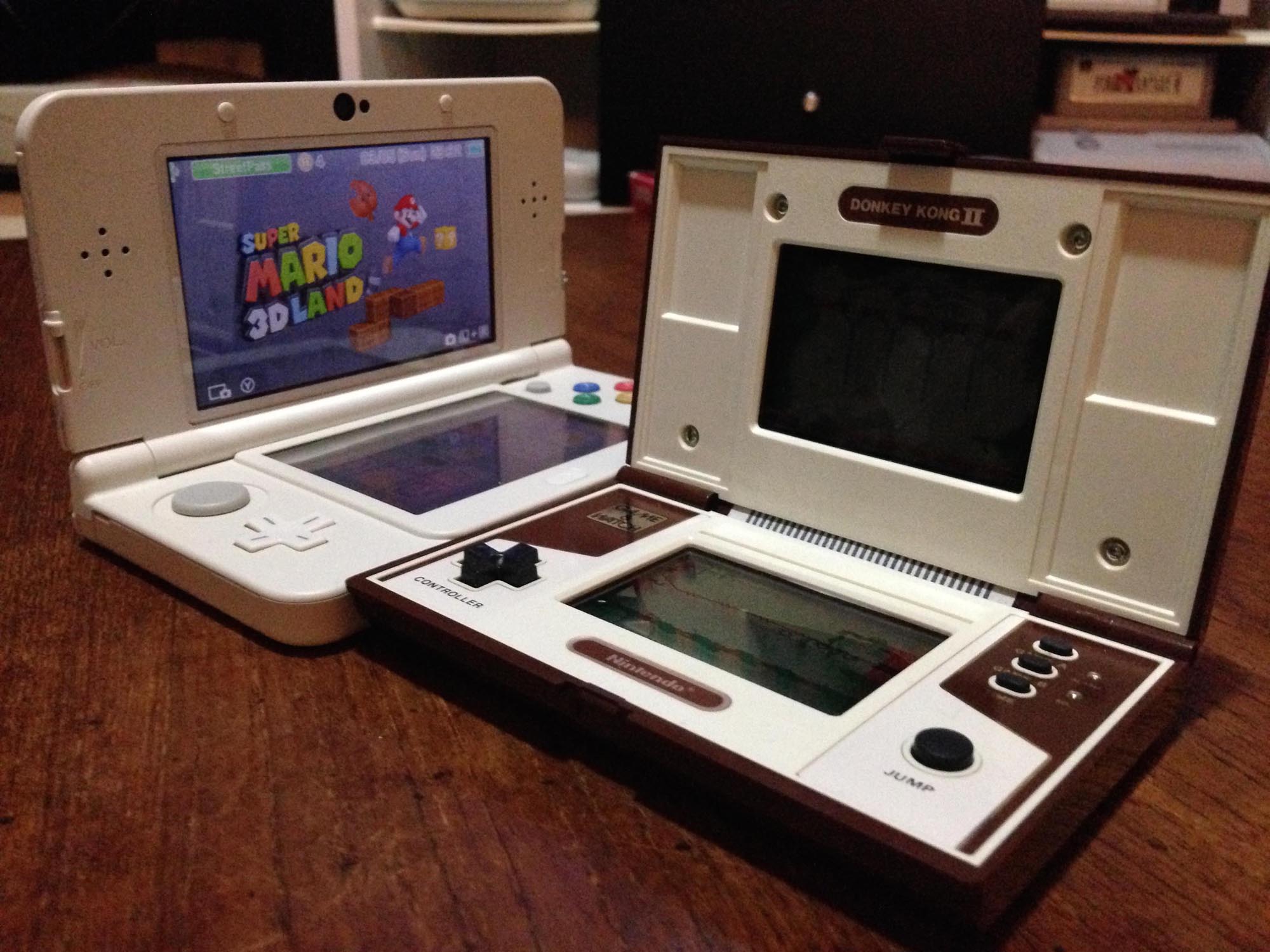
 Managed to get myself one of the most awesome Game & Watch releases – Donkey Kong Jr. Panorama Screen version!DKPano_3380

Originally released as a mini-arcade cab like ‘Tabletop’ Game & Watch, Nintendo re-tooled the basic tech of the Tabletop idea into a portable that folds flat to about the size of a Multi-Screen Game & Watch.DKPano_3376b

The top part is the LCD and a ‘light window’ which allows an external light source (like a lamp or sunlight) to shine through, displaying colour graphics. the image is then reflected on a mirror on the other half of the fold.DKPano_3381

And the results are amazing!DKPano_3384

It’s quite an involved piece of tech, and this version of Donkey Kong Jr. is easily the closest thing you could get to playing the arcade at home in 1982. There’s much more involved than the Widescreen Donkey Kong Jr. It even has a musical intro and interludes!

Here’s a screen of all the graphics lit up, so you can get an idea of how it plays.DKPano_3389It’s easily one of the best Game & Watch releases. Great little game, and it would have blown my mind back in the early 80s.

19/20 Konami Famicom Collector Cards

This is a follow up to a previous post on the Konami collector cards.
KonamiCards_Cards2a

Recap: At some point starting in 1987, Konami decided to include a collector card with all their Famicom titles. Each card had an illustration related to the game; some cards featured screenshots or pieces of screenshots, others had artwork of scenes in the game.

After much searching, I have now almost completed the set! While there were multiple cards per title in some cases, I’ve only collected one per game.

It seems unlikely I’ll ever get a complete copy of Exciting Boxing. It came in a huge box with a novelty inflatable controller, and commands insane prices online now.

Here’s my set:

Ai Senshi Nicol and Arumana no Kiseki

 KonamiCards_Kiseki KonamiCards_Nicol

Dracula II and Contra

KonamiCards_Dracula2 KonamiCards_Contra

Do Re Mikko and Dragon Scroll

KonamiCards_Doremikko KonamiCards_DragonScroll

Exciting Baseball and Exciting Basketball (Double Dribble)

KonamiCards_Baseball KonamiCards_Basketball

Exciting Billards and Exciting Soccer

KonamiCards_Billiards KonamiCards_Soccer

Falsion and Getsu Fumaden

KonamiCards_Falsion KonamiCards_Fuumaden

Konami Wai Wai World and Majo Densetsu II (Knightmare II)

KonamiCards_WaiWai KonamiCards_Gallious

Meikyujin Dababa and Metal Gear

KonamiCards_Dababba KonamiCards_MetalGear

Salamander and Tetsuwan Atomu (Mighty Atom aka Astro Boy)

KonamiCards_Salamander KonamiCards_Atom

Top Gun

KonamiCards_Topgun

KonamiCards_Cards1

KonamiCards_1

KonamiCards_2

Update:

I managed to get the card for Exciting Boxing!

Updated article here.

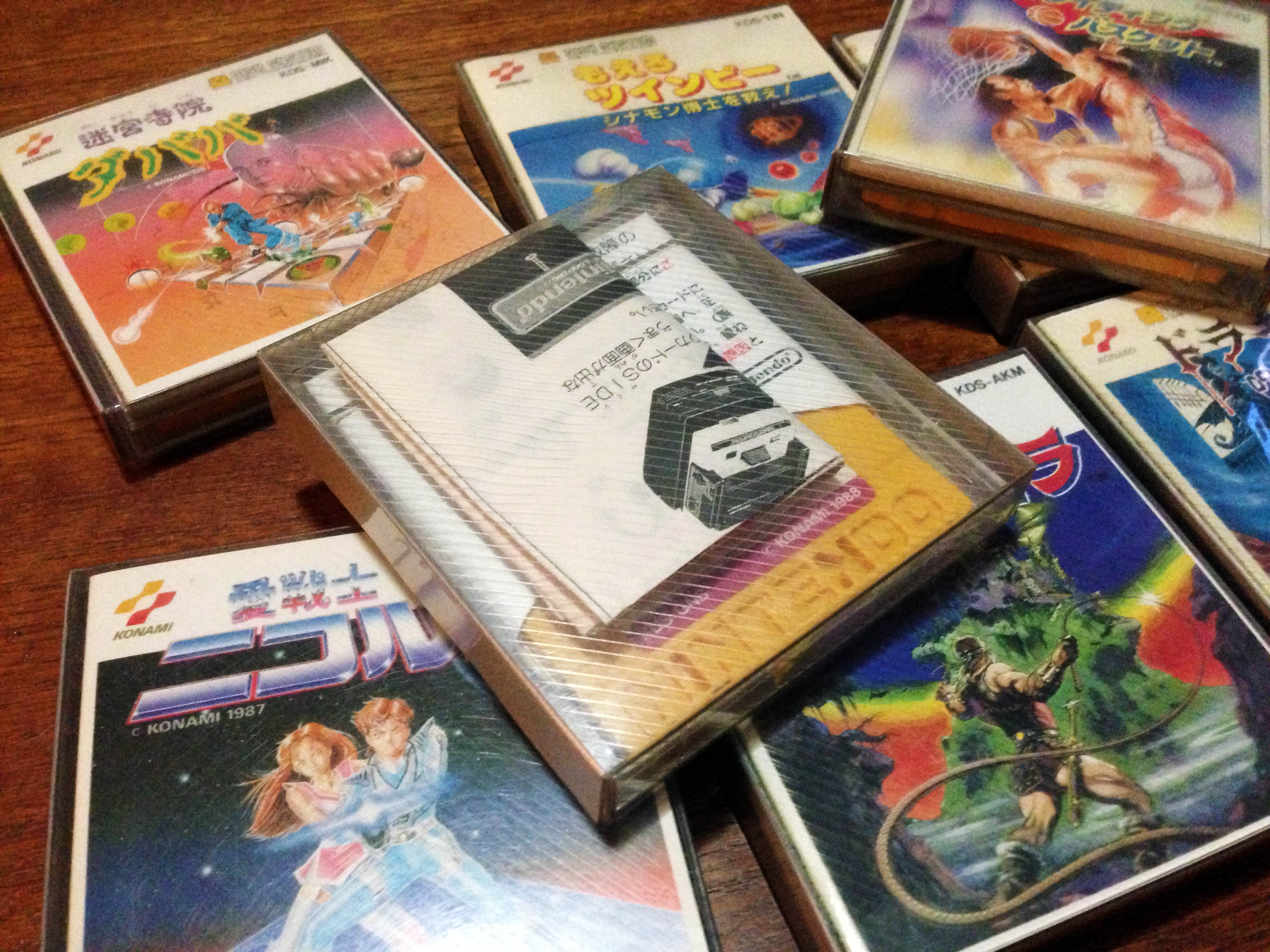
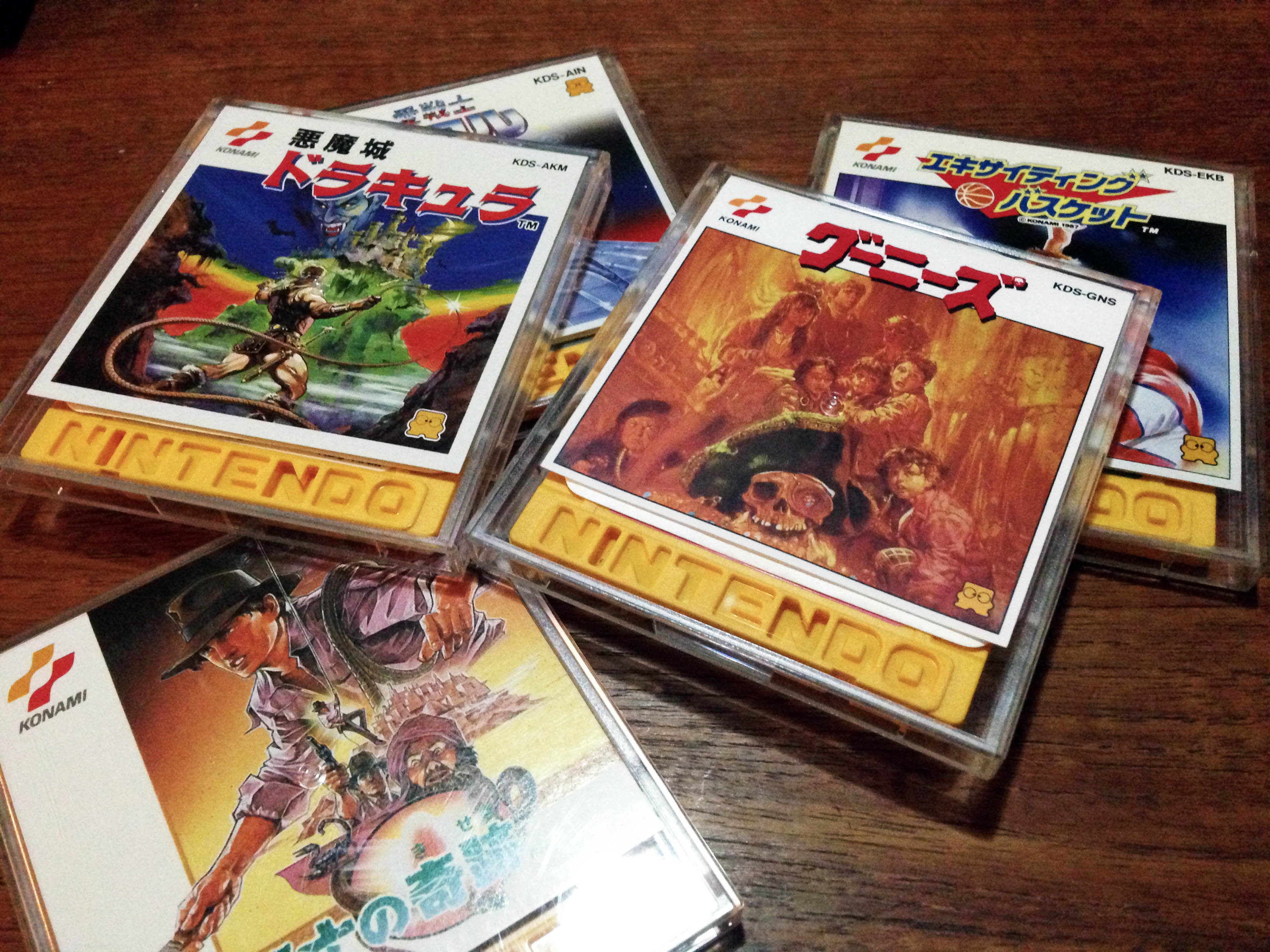
The Complete Konami Famicom Disk System Set

This is the full set of Konami Famicom Disk System games.KonamiFDS_1Up front you can see the two games I covered recently –  Smash Ping Pong (which was published by Nintendo), and my custom designed Goonies/Twinbee ‘retail’ box, housing the official Disk Writer releases of those two games. There’s also the DoReMikko box up the back, and disk at the front.

Some true classics here. There’s the obvious brilliance of Arumana no Kiseki, Akumajou Dracula, and Ai Senshai Nicol, and the awesome shooters Falsion and Gyruss.KonamiFDS_2The sports games are top notch as well, I love Exciting Soccer and Konami Ice Hockey in particular, while Exciting Basketball has fantastic music missing from the NES version. Exciting Baseball and Exciting Billiards are great too.

Really every game has its merits, from the cutesy platformer Bio Miracle Bokette Upa, the creative spin on the Breakout formula in Nazo no Kabe: Block-kuzushi, the alternative layout of NES Jeep shooter Jackal in Final Command, to the flawed but revolutionary Dracula II.KonamiFDS_3Konami. In the 80s and early 90s they were Nintendo’s equal.

DoReMikko (ドレミッコ) – Famicom Disk System

DoReMikko (ドレミッコ) is a game I never thought I would ever be able to obtain. It usually goes for hundreds of dollars. But a few months ago on I unexpectedly won an auction on Yahoo Japan for a complete copy, far below usual price!Doremikko_1

The name DoReMikko is a play on ‘Do Re Mi’ – the anglicised versions of the first three notes of the Solfège scale (probably most well known from the song in the musical The Sound Of Music).

It’s a music game/software package for the Famicom Disk System that came with a keyboard controller. The keyboard is pretty nice quality, if a bit small.Doremikko_3

There are three main modes.Doremikko.000

First up is Concert Mode. Here you can play along with a Gradius melody medley with a full band accompaniment.Doremikko.001

You can select the instrument the keyboard sounds like, and set tempo and style, everything from rock to country to techno (and a strangely 4/4 waltz). More options are available in a menu, allowing you to adjust various parameters of yours and your accompaniment’s instruments. You can also record your performances to disk.

If you’re into 8-bit music, it’s pretty fun to fiddle around with the instrumentation, limited as it is.Doremikko.002

The instrument you pick affects the animation that plays. Including a full Chuck Berry/Back To The Future style stage rock-out if guitar is selected.Doremikko.006

Next up, Solo Mode is a simple keyboard-only mode. You can only select Piano or Organ, and play without accompaniment.Doremikko.008

So what’s the point? Well, this mode gives the entire system’s audio capabilities to the keyboard. Effectively it allows you to use your Famicom (with extra Disk System audio channels) as a digital keyboard, allowing up to 10 notes to be played at once in full synth quality. It also features the recording functionality of concert mode.  It’s fairly limited, but would have been impressive in 1987 for the price, quite a decent way to record your compositions.Doremikko.009

Finally, there’s ‘Play Along’ mode. Each of the boxes contains the accompaniment to a song, and these songs have their music written out in the game’s manual. The keys light up on the keyboard on screen, helping you learn to play the piece. Of course the highlight is once again the Gradius medley.Doremikko.010

Doremikko_6

Overall there isn’t too much to it. It’s actually more useful as a tool to write music on than as a game for entertainment. It’s so trivial today to make quick digital recordings, but in 1987, on the cheap Family Computer, it must have been some budding musicians’ dream come true.

DoReMikko is also one of the Konami games that came packaged with a collector card.

Doremikko_2

Doremikko_4

Doremikko_5

Doremikko.004

Smash Ping Pong (スマッシュピンポン) – The Secret Konami Disk System game

There’s one Konami game on Famicom Disk you probably didn’t know about – Smash Ping Pong (スマッシュピンポン).

KonamiPingPong_3041

Originally released as ‘Konami’s Ping Pong’ in the arcades, Nintendo published the Famicom Disk System version as part of the Famicom Disk launch library. As such, the FDS version is not part of the Konami catalogue, though it is Konami branded on the disk and title screen, and it maintains the official Konami artwork from the arcade and MSX releases.

KonamiPingPongMSX

KonamiPingPong_3040

It’s a pretty nifty and quite realistic take on Table Tennis. The simple graphics bely a quite sophisticated and challenging control scheme and physics system.

KonamiPingPing2

Unlike most tennis-based games, you don’t hit the ball with A or B and move around with the d-pad. B throws the ball up for service, and A changes between forehand and backhand. Your disembodied hand moves around automatically to meet the ball. All hits are done with the d-pad left, right and up, and the timing controls the angle and power.

It reminds me a lot of Wii Sports Tennis, released 20 years later.

KonamiPingPing3

It’s a very faithful translation of the arcade game, the biggest change being he swapping out of Konami’s Pentaru (from Antarctic Adventure and Parodius) for Donkey Kong in the crowd! Disk-kun (the FDS mascot) also appears in the title screen in his first ever digital appearance.

KonamiPingPing1

KonamiPingPong_3039

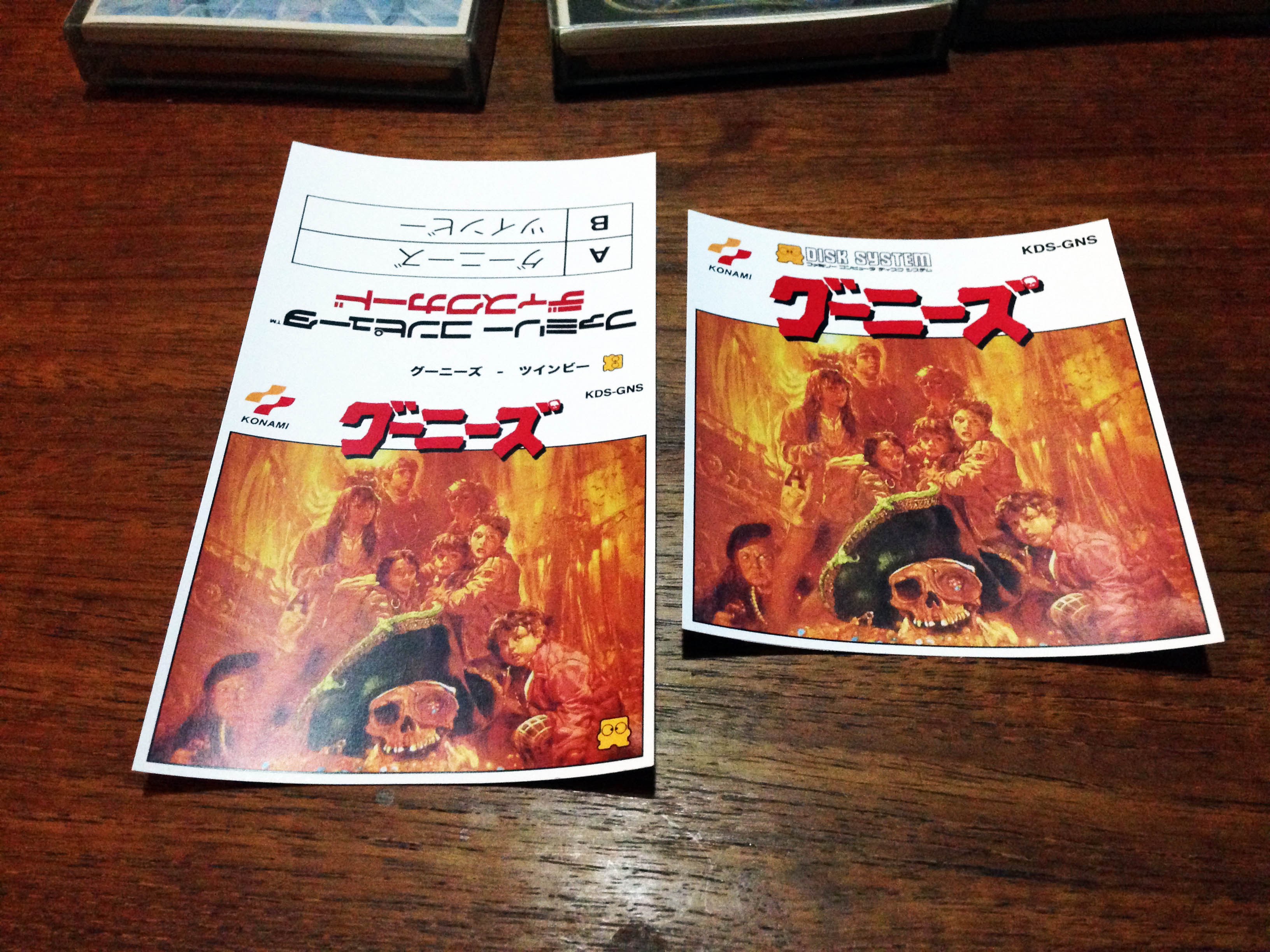
The Goonies (グーニーズ) Famicom Disk – Retail Release Reproduction

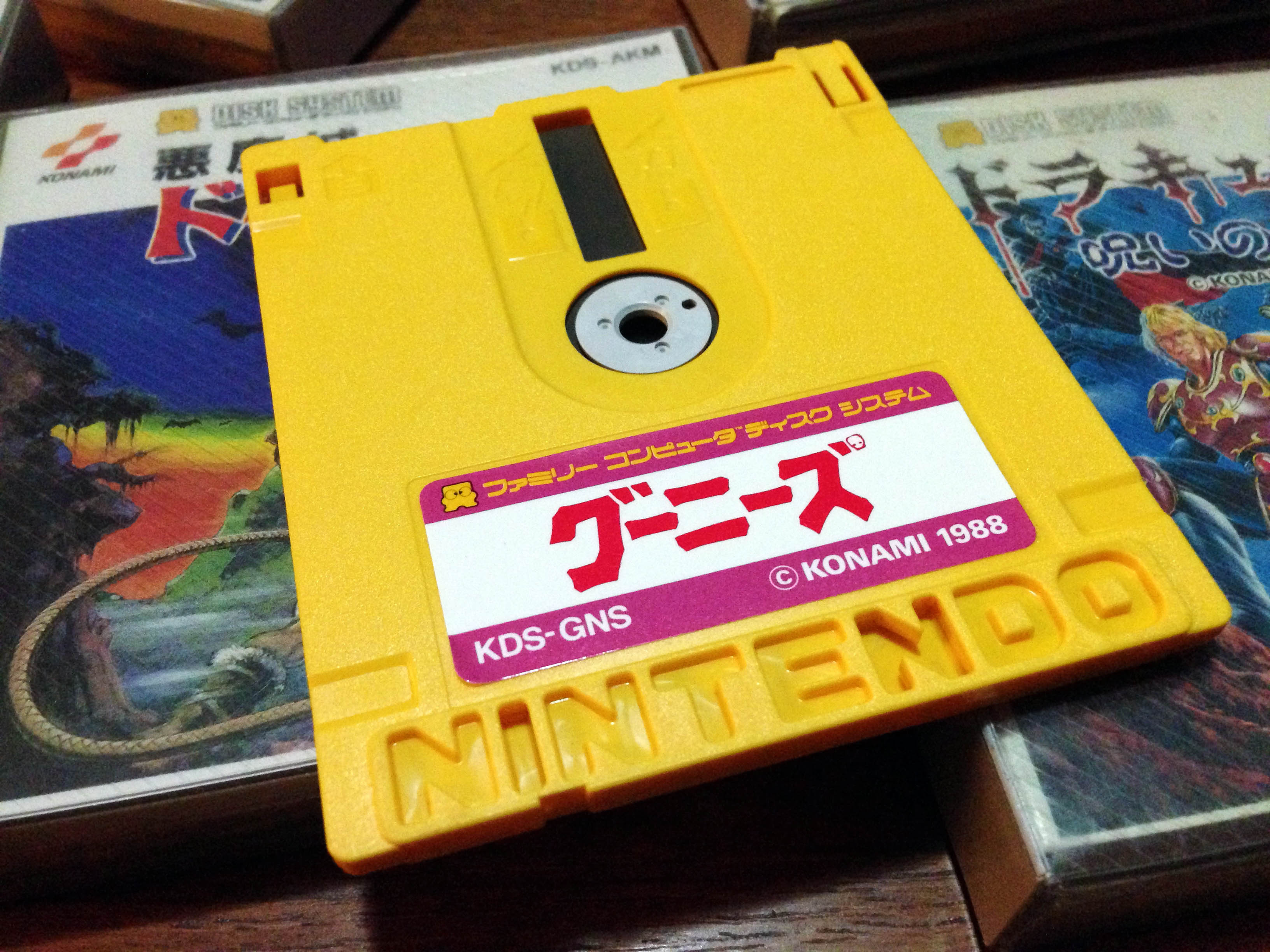
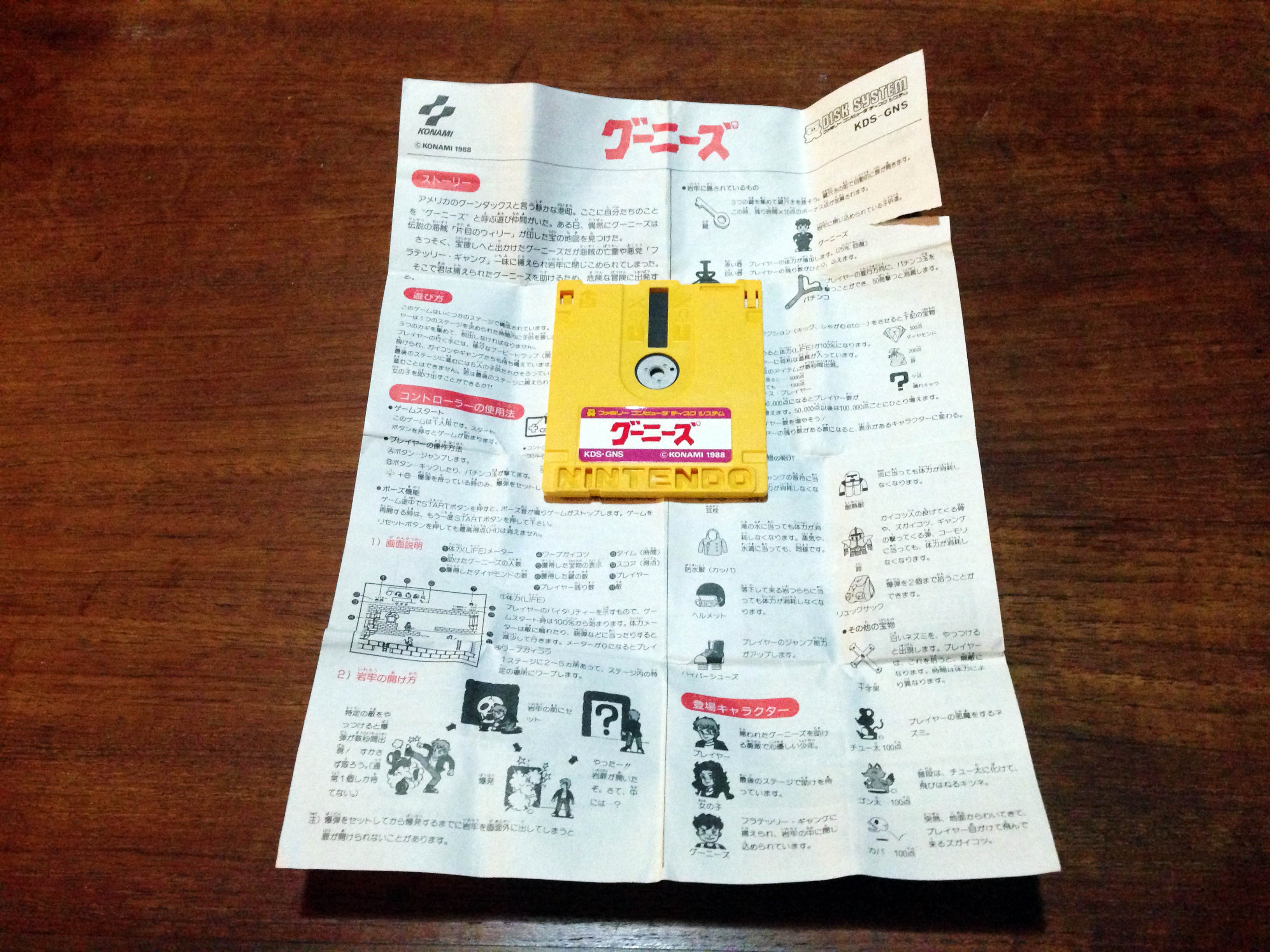
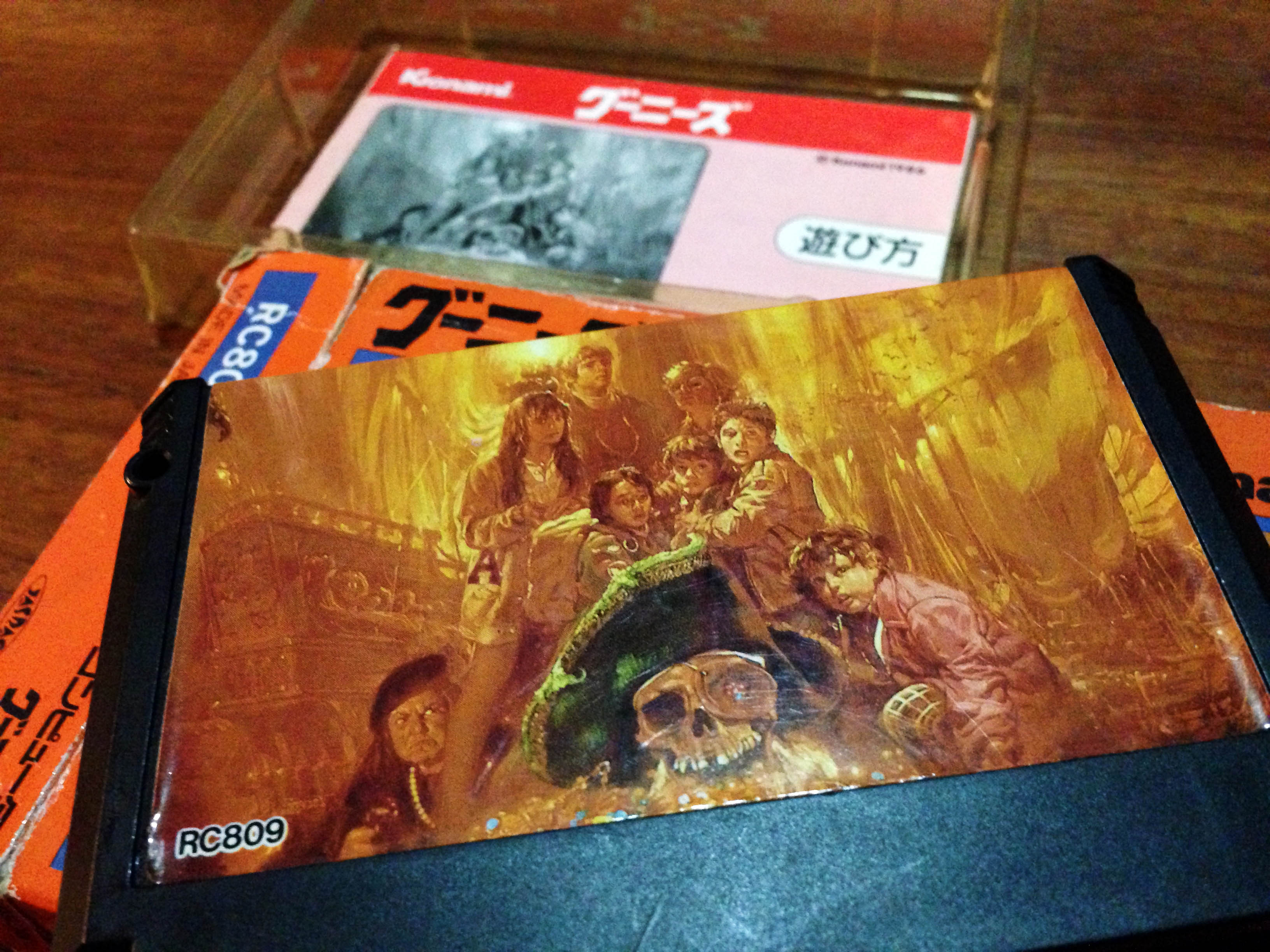
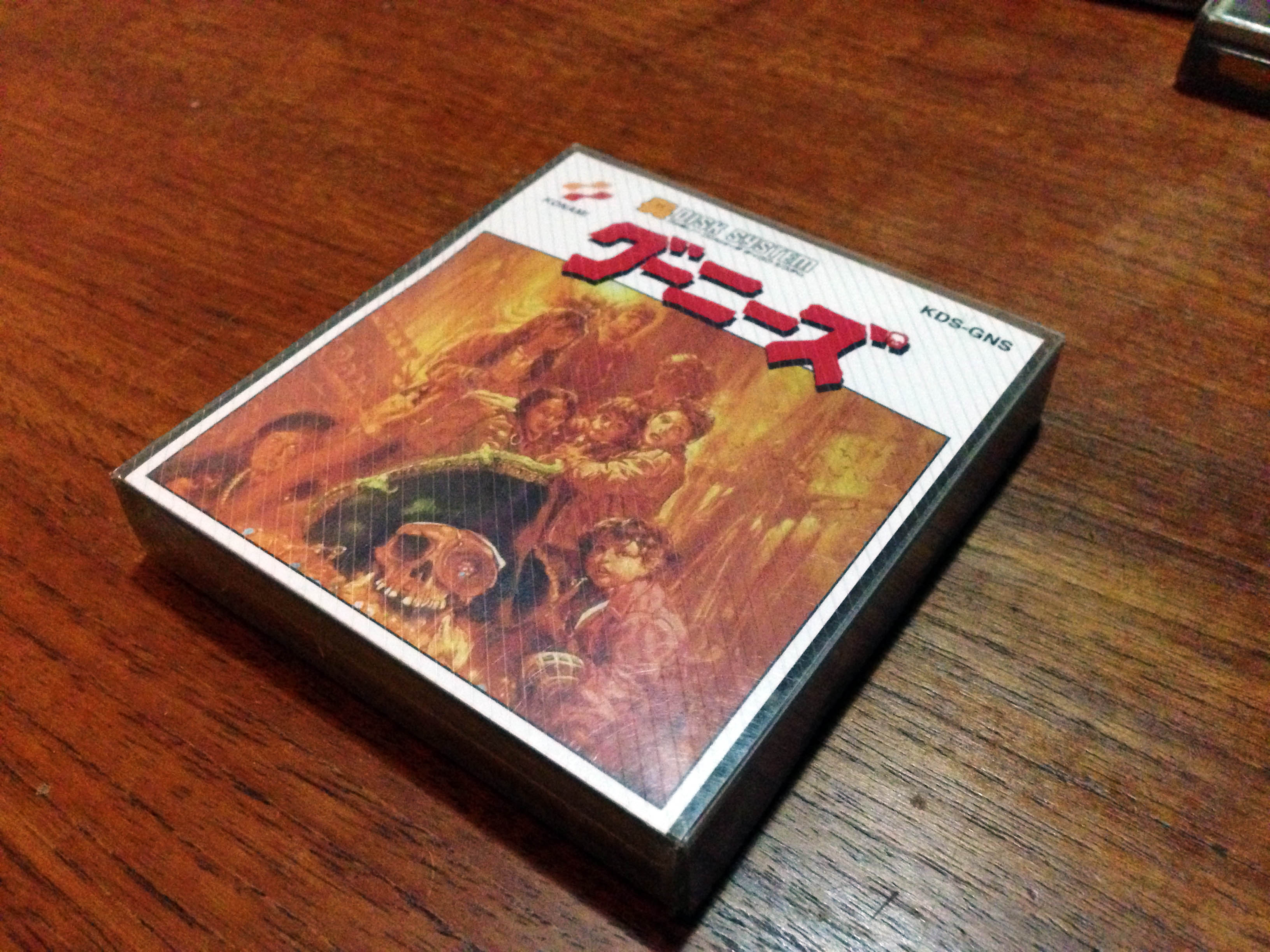
There were two Konami games on Disk System which were not released at retail, and only available as re-writes via Disk System Writer Kiosks – The Goonies and Twinbee. After much searching I managed to get my hands on a single disk with both games on it.

GooniesFDS_1 GooniesFDS_2

Disk Writer games came with a nice official printed disk label and fold-out paper manual.GooniesFDS_3

But it doesn’t match the rest of the otherwise beautifully consistent Konami Disk System catalogue.GooniesFDS_5

Since FDS inserts are just thin cards, I decided I could make up a reproduction retail release for Goonies, based on the cartridge box.GooniesFDS_6

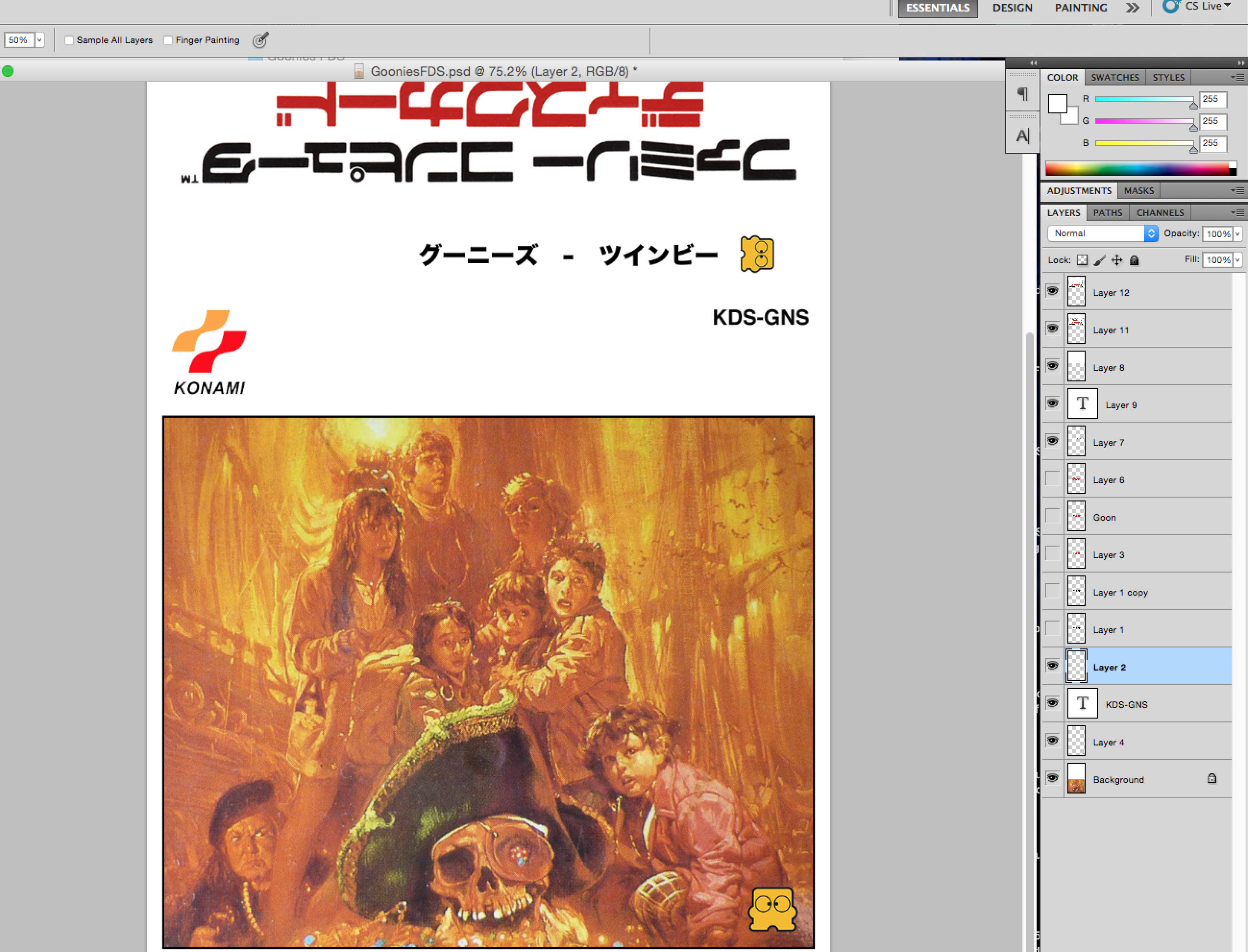
I scanned the nicer quality image from the cart label, and got going in photoshop.GooniesFDS_7

GooniesShop1

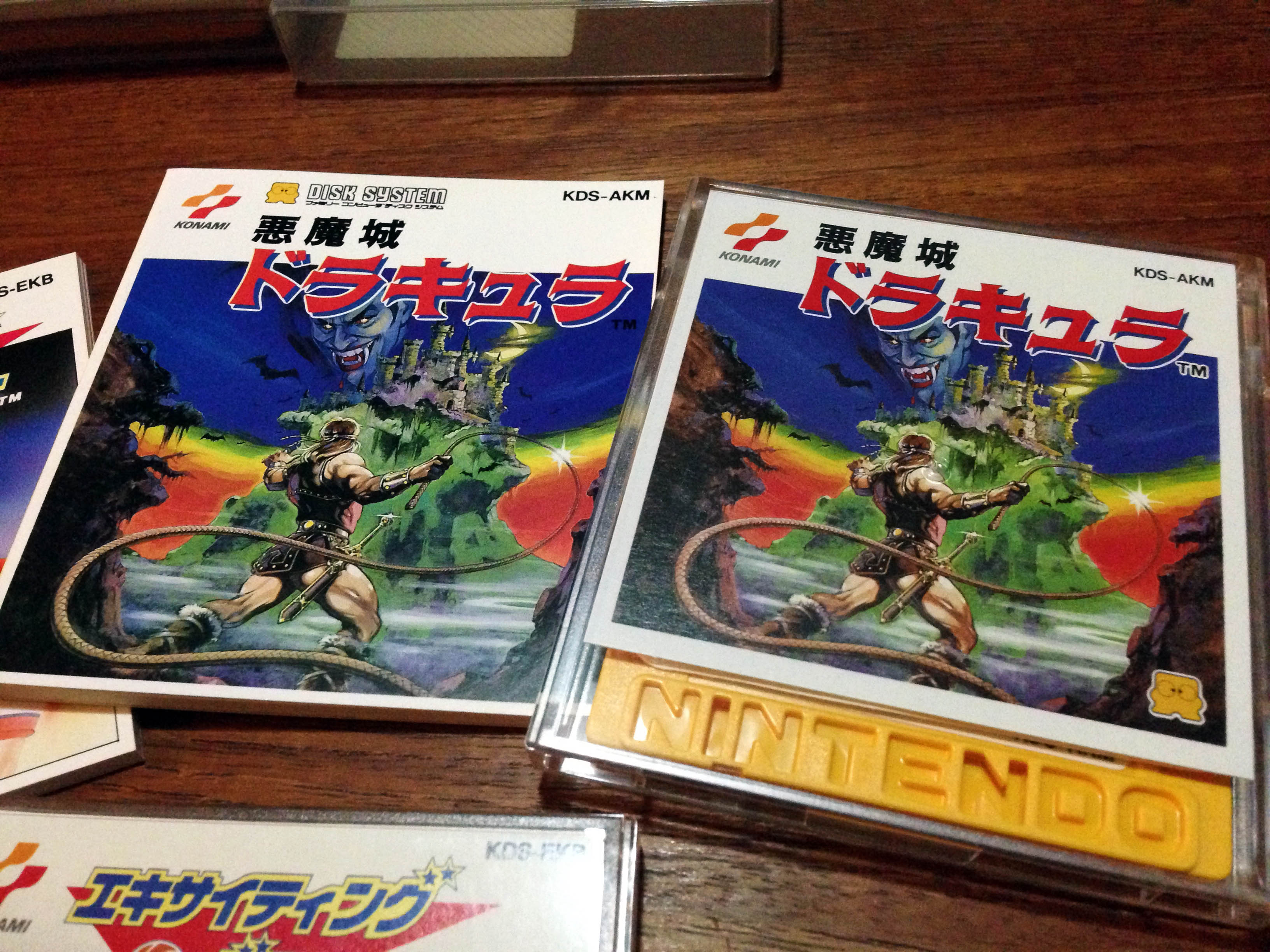
For the logo, black looked a little bland, so I took inspiration from Goonies 2 and Akumajou Dracula, and went with red, using the original black logo from the cart release as a drop-shadow. I used Akumajou Dracula and Exciting Basketball as templates for the basic formatting of the disk case label and outer-box label.

GooniesFDS_8GooniesFDS_9

GooniesShop2

I had it professionally printed on 200gsm satin printing paper, and here’s the result! Goonies on side A, Twinbee on side B, so Goonies gets main billing.GooniesFDS_11

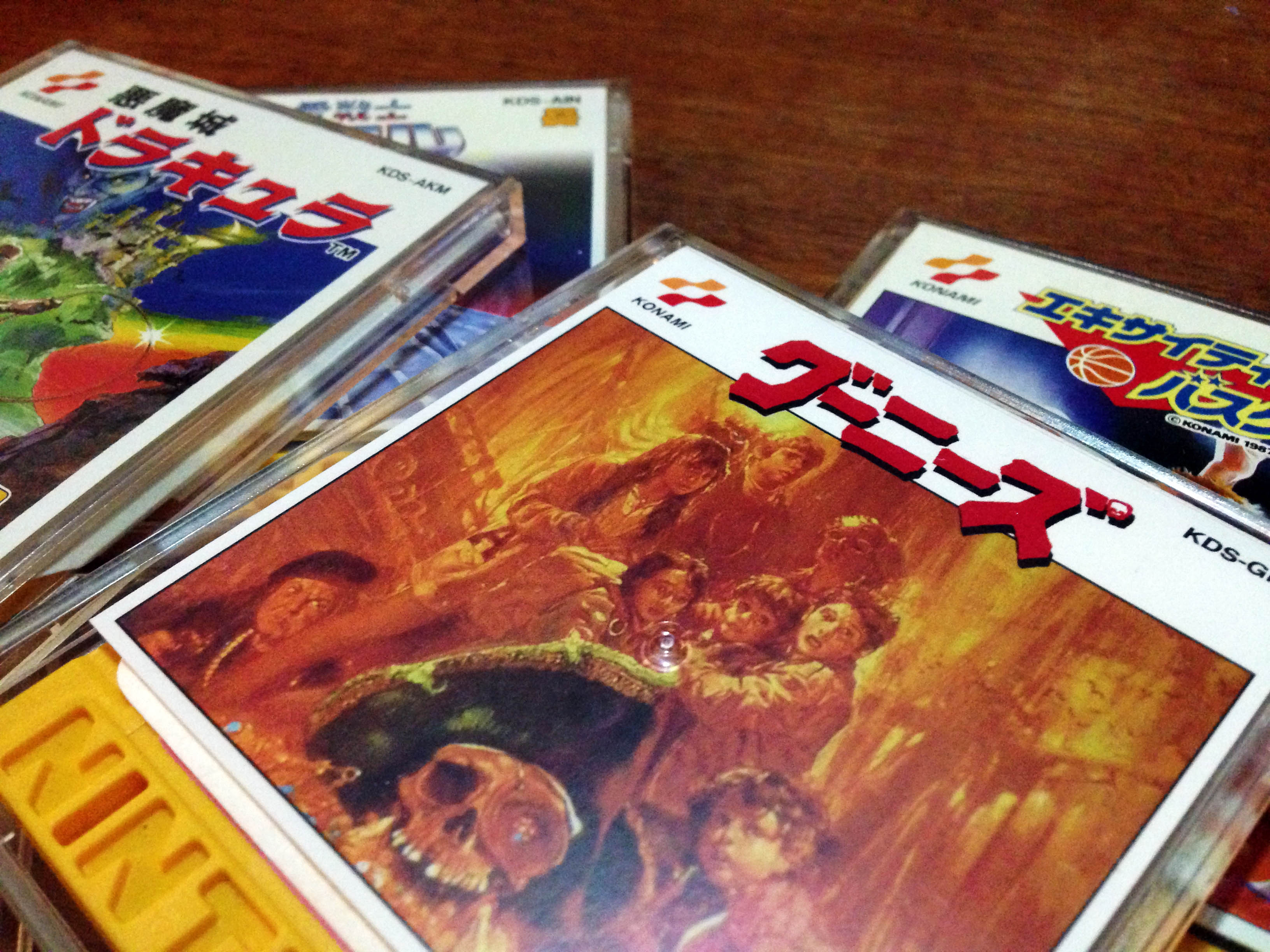
Looks great in disk-case format and full case format!GooniesFDS_12GooniesFDS_13GooniesFDS_15GooniesFDS_14

Now Goonies/Twinbee can take its place with the rest of the Konami FDS set!GooniesFDS_16

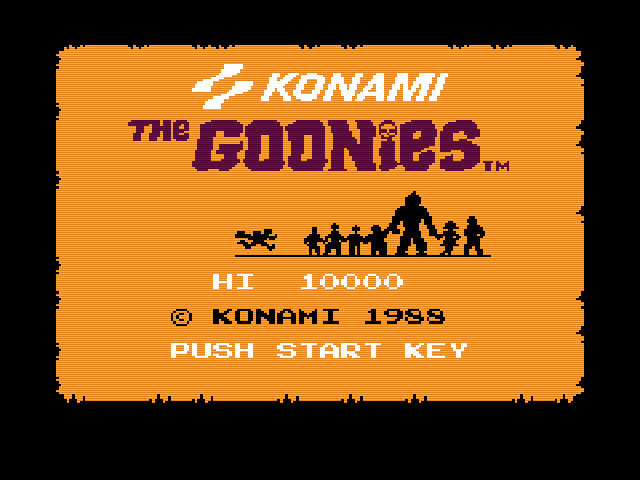
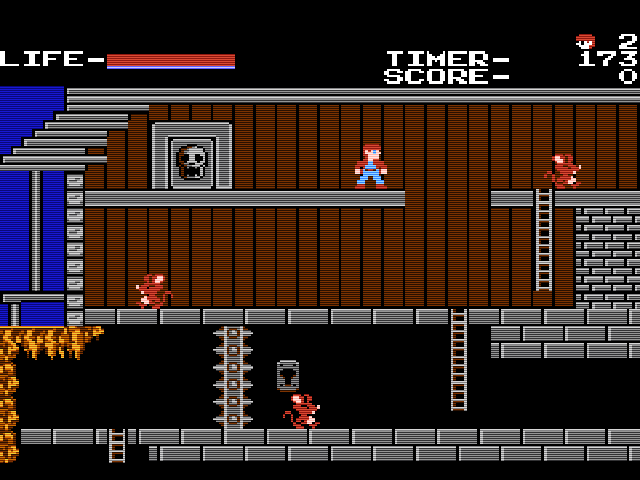
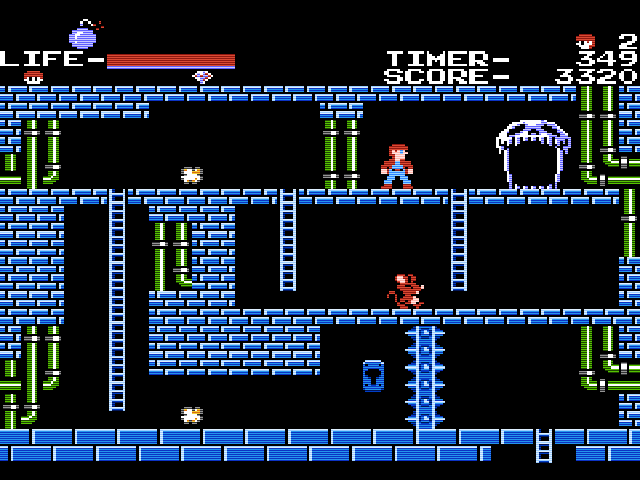
And I can finally play Goonies with additional load times!Goonies1 Goonies2

Goonies3 Goonies4

Goonies Family (Computer) photo.GooniesFDS_17

Rollergames – NES

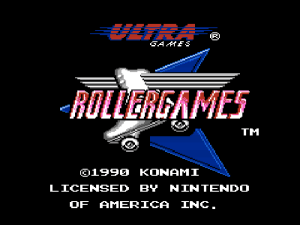
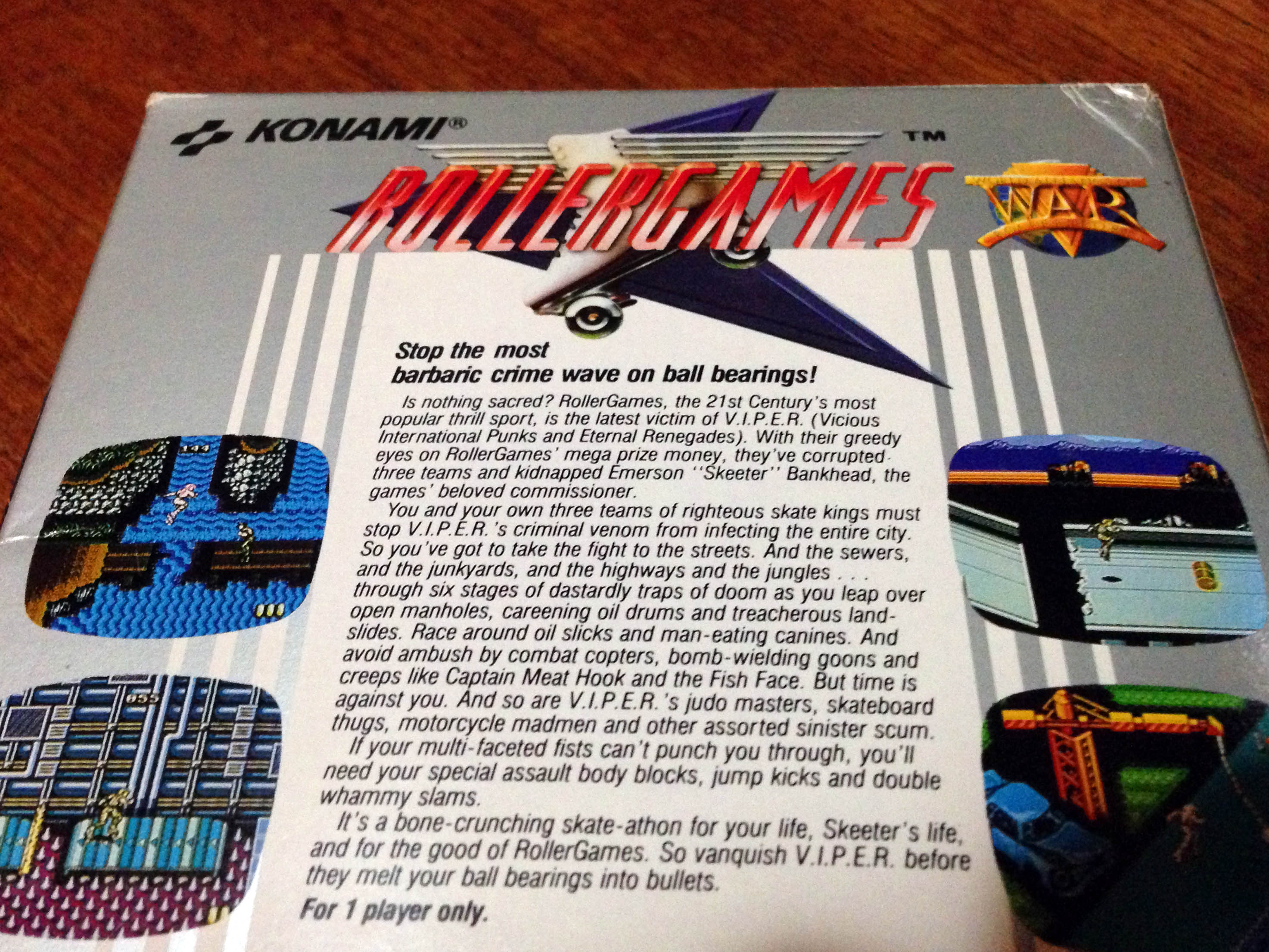
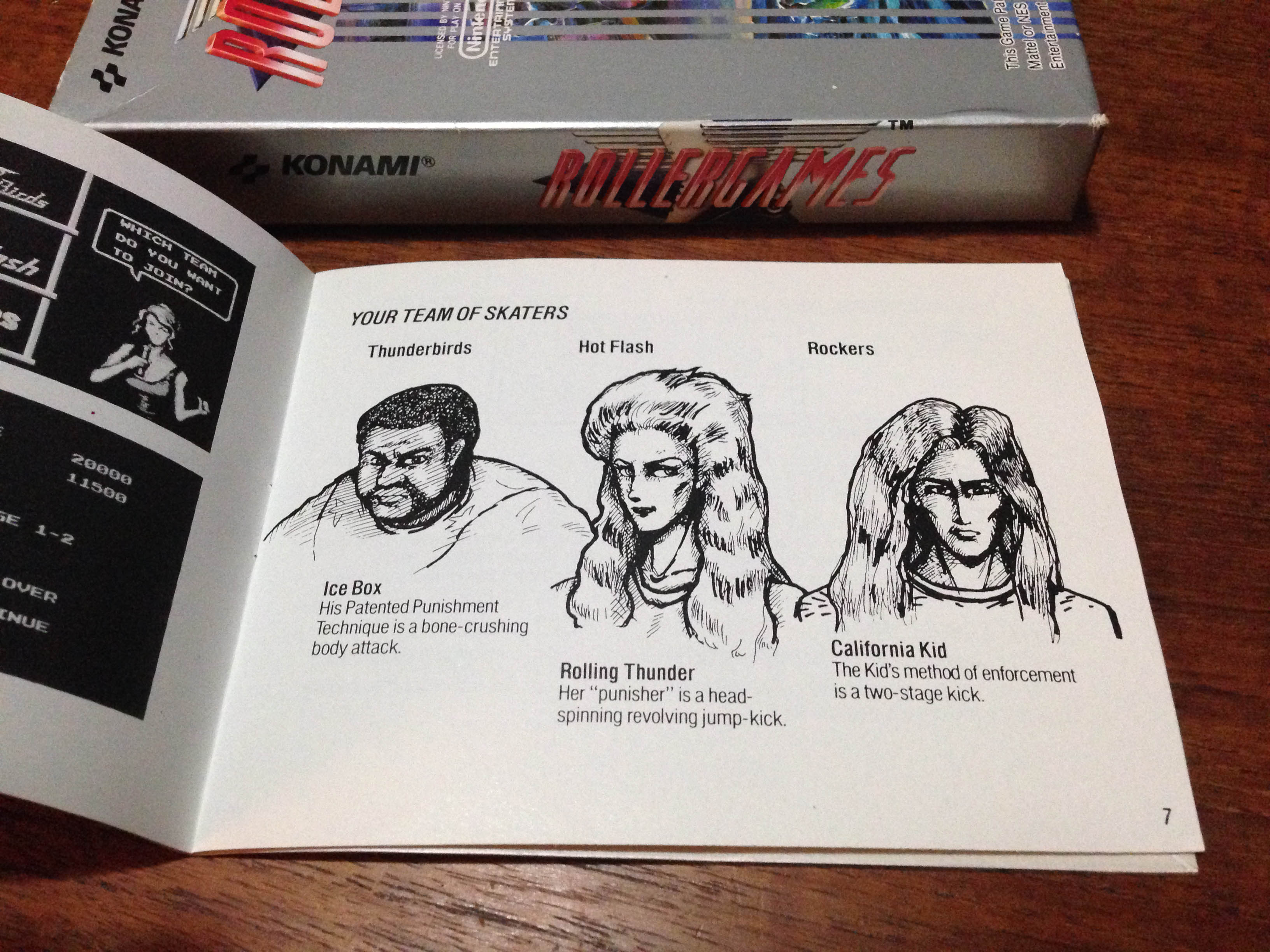
Rollergames belongs to an interesting sub-category: Japanese developed games unreleased in their homeland.

Rollergames.001

Why does this sometimes happen? Perhaps the domestic market for that type of game had dried up during its development, but the game was still suitable for western release. Or the Japanese version was cancelled at the last minute because of a clash in release schedules.

But sometimes games were specifically developed for western markets, often based on a western-only licenced property. Such as Rollergames.

Rollergames_2290

These games are interesting because they offer an insight into how Japanese publishers viewed American audiences. In Rollergames case, it appears Konami management showed the developers the source material, and said ‘make an action adventure game from this’.

Rollergames is based on a professional wrestling-esque dramatised fictional version of roller derby. Apparently it was a big deal for its single season in the US, but non-Americans would just assume it was a purely original Konami title, particularly given the arcade-style content.
Rollergames.006 Rollergames.004

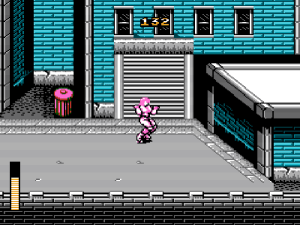
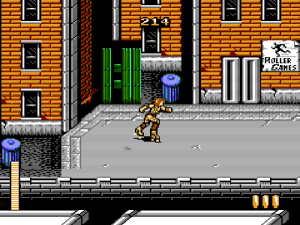
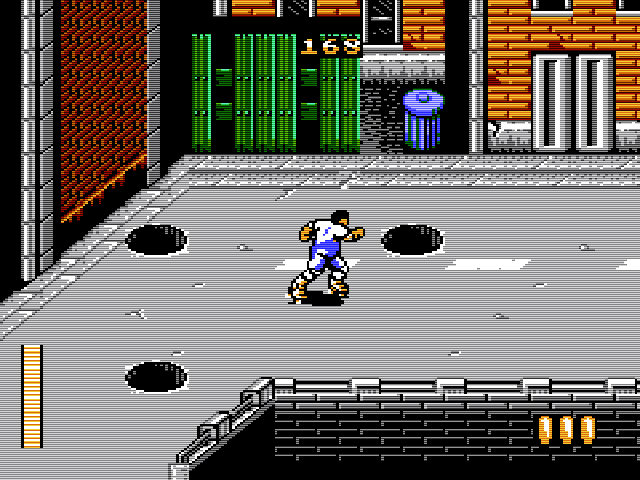
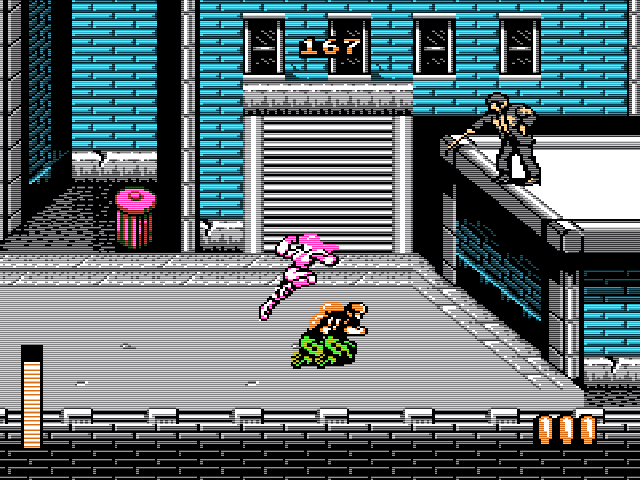
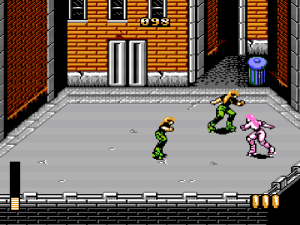
The gameplay is a unique mixture of beat-em-up and action platformer. Taking some cues from Double Dragon and Konami’s own Ninja Turtles games, and combining that with speedy momentum-based movement, isometric platforming, and Konami’s own brand of tricks and traps. Ultimately I’d describe it as a beat-em-up action platformer on wheels.
Rollergames.024 Rollergames.015

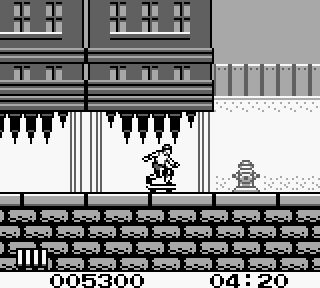
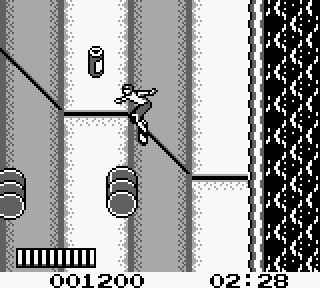
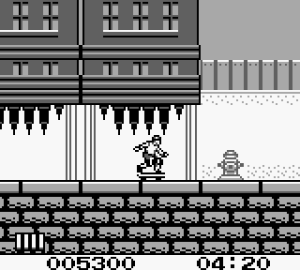
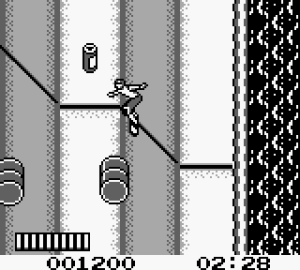
I consider it the sister game to another Konami release heavily adapted from an external source: Bad n Rad: Skate or Die on the Game Boy. Similarly based on an existing property (in this case Electronic Arts’ sub-standard Skate or Die series of games, which Konami published on the NES), like Rollergames it deviated from its source material so much as to be basically a unique property. Bad n’ Rad is a sort of racing action platformer, and has a very similar setting and feel to Rollergames. I wouldn’t be surprised if they had designers in common.
BNR1 BNR2

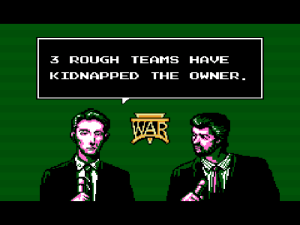
Rollergames has a setting and story that takes the basic branding and teams from the (nominally) sports-based show, and throws them into a standard videogame fictional world. A bad guy has taken the head of the league hostage, pick a Rollergames team and set out over a variety of themed stages to defeat bad guy.

You choose a team at the start of each round.

Rollergames.008

T-birds – Chunky fat dudes (I’ve now learned based on a particular fan favourite character)

Rollergames.303

Hot Flash – Pink clad females

Rollergames.031

Rockers – Axl Rose lookalikes

Rollergames.011

T-birds guy is slow to accelerate but powerful, Hot Flash girl is fast but weak, and Rockers dude is the Goldilocks selection. I always choose Hot Flash because quicker control is more valuable in platforming (which are the most difficult parts of the game), and who can resist 80s girls in hot pink?

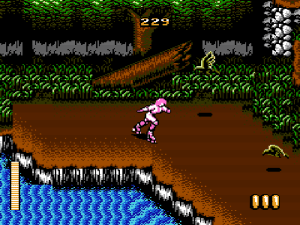
Most stages are centred around an evil team, with a set theme and featuring the team leader as the end boss. Main levels are broken in two, and you get an energy bar refill at a mid-stage checkpoint. They’re a mix of platforming, beat em up, and traps.

Rollergames.009 Rollergames.027

Rollergames.046

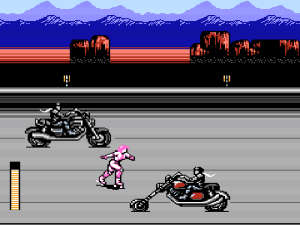
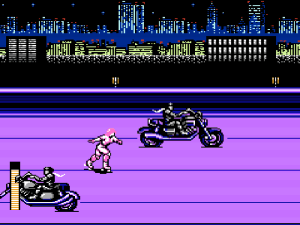
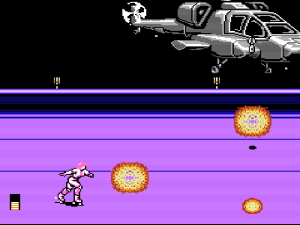
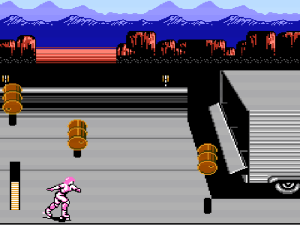
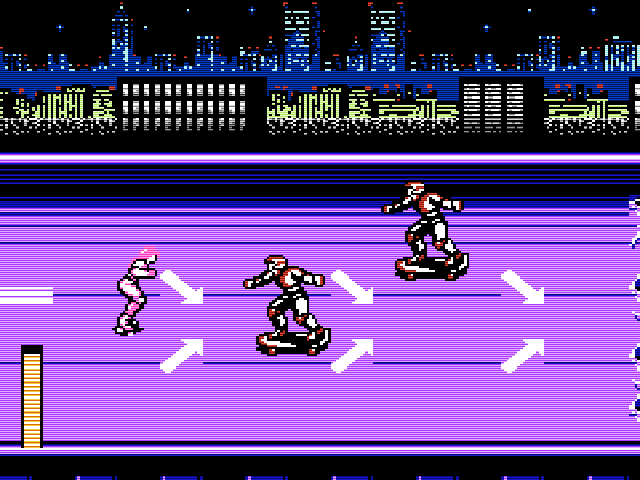
The alternate stages are constantly moving highway stages, where a variety of traps appear to try and stop you making it to the next stage. These are very similar to the skateboarding levels in Konami’s Turtles games.

Rollergames.059

Rollergames.040

Rollergames.102

The beat em up elements feel a lot like Turtles. Fast and smooth, but relatively loose and forgiving hit detection. Once you work out the exact angle to attack enemies from, you feel pretty powerful.

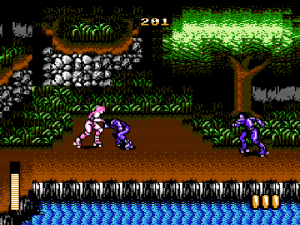
Bosses are atypically well designed for a beat-em-up. They follow unique patters of attack, more like a good action platformer boss than your typical ‘big brute’ fighter boss. While they are cheap at times, you can see how you could technically not take a hit with a perfect run. More variety than normal is afforded by the premise, so not all bosses are just guys to beat up.
Rollergames.112

Rollergames.057

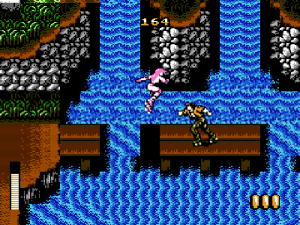
The platforming has two things going against it. The isometric-ish/3D movement (sometimes referred to as ‘belt scrolling’ because you can move up and down the ‘belt’ with perspective at an angle) makes judging jump distances much more difficult than in a standard 2D space.

You are also on wheels, and have momentum to deal with. In a sense the whole game plays similarly to an ice world in a Mario game, all slip and slide. Combine the perspective with the momentum and it’s a recipe for frustration for those without quick fingers. Add to this banked surfaces (which feature heavily in a later stage) and speed and this becomes a tough game to beat.
Rollergames.113

Rollergames.053

But it’s not unfair or impossible. It will require level memorisation and quick reflexes, but all traps are passable every time.

Rollergames.117

Presentation wise, it’s classic high-quality Konami. The graphics are fantastic, Konami’s trademark ‘faceless’ characters are big and well defined. Detailed colourful environments, a rock solid engine with basically no sprite flicker, and some excellent parallax effects on the highway stages mean this is a top-shelf NES game graphically.
Sound effects are good standard NES stuff, and the accompaniment is a series of excellent catchy tunes (by one of the Castlevania series’ composers) which perfectly match the solid game mechanics. The music also has a very ‘Konami Turtles’ feel.
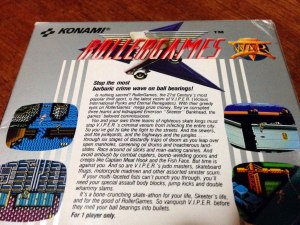
Rollergames is a hidden gem on the NES.

Rollergames_2292 Rollergames_2297

Rollergames_2302 Rollergames_2293

Rollergames.001 Rollergames.002

Rollergames.041 Rollergames.042

Rollergames.025 Rollergames.027

Rollergames.044 Rollergames.057

Rollergames.054 Rollergames.110

Rollergames.114 Rollergames.106