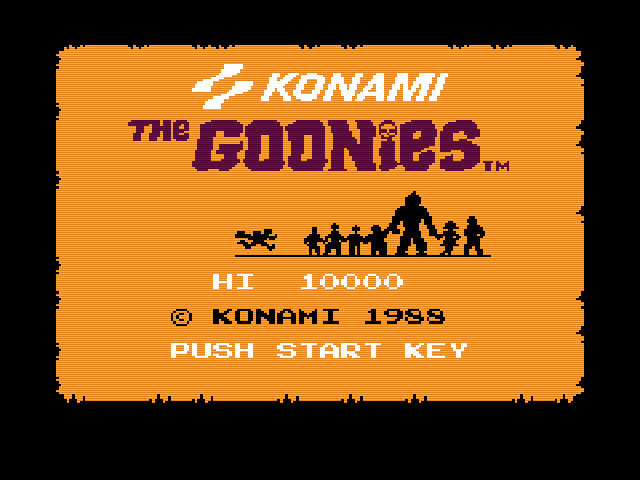
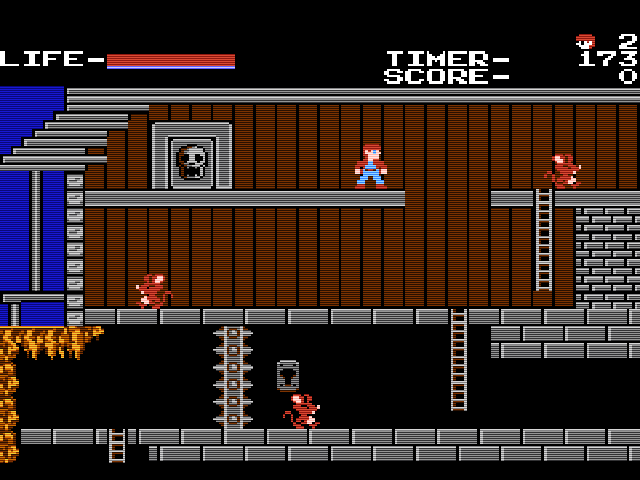
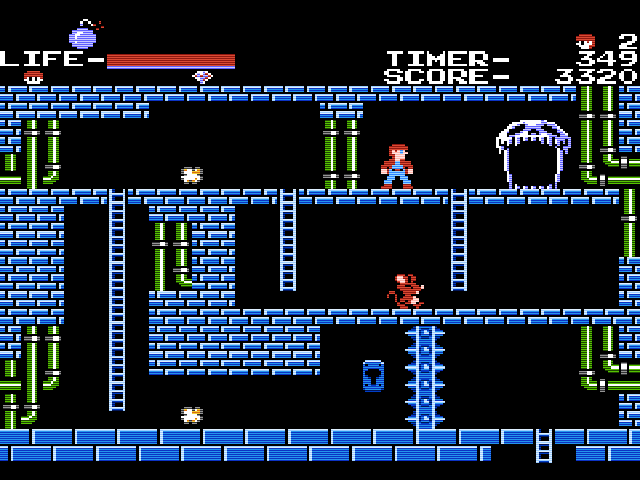
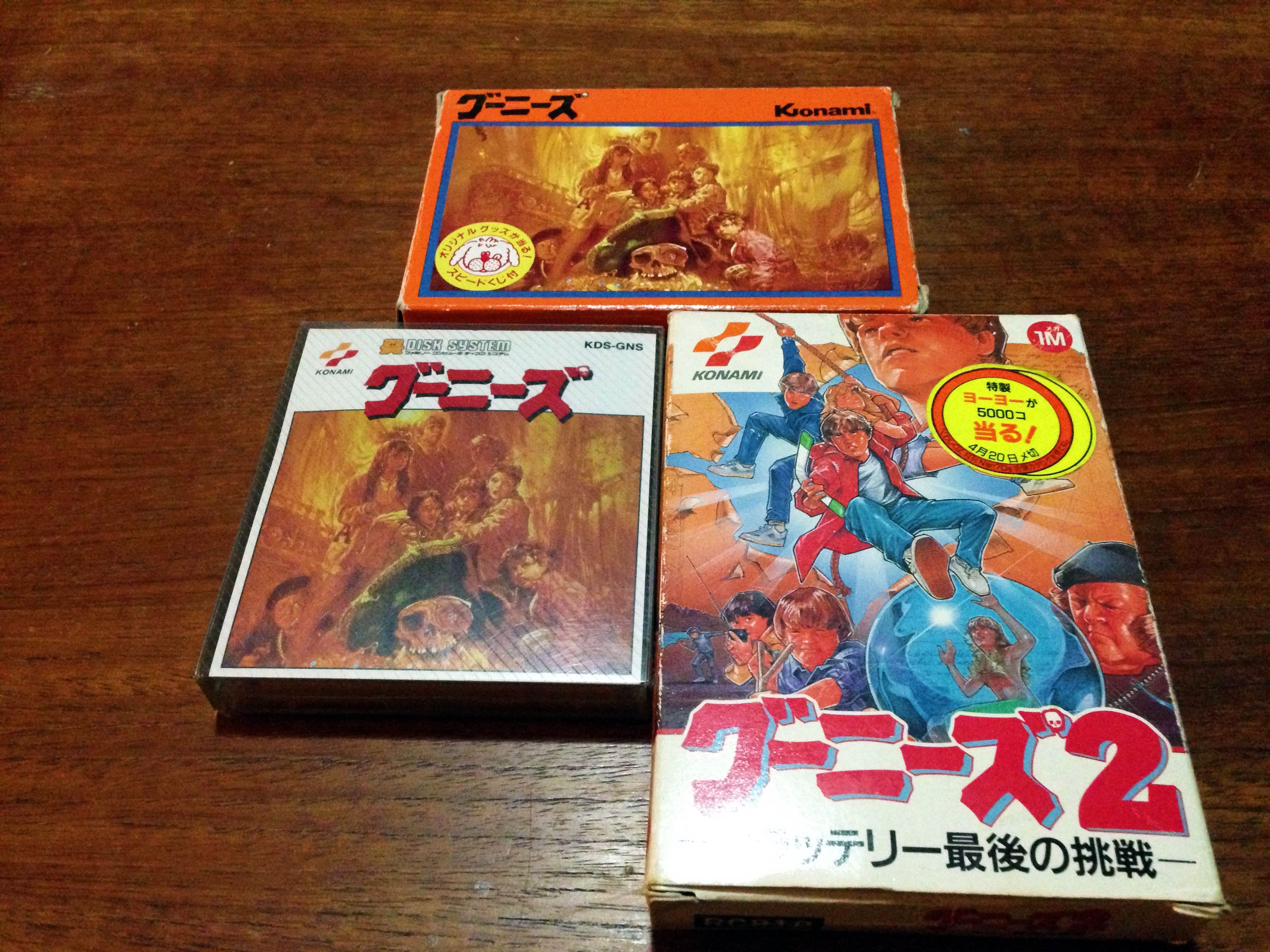
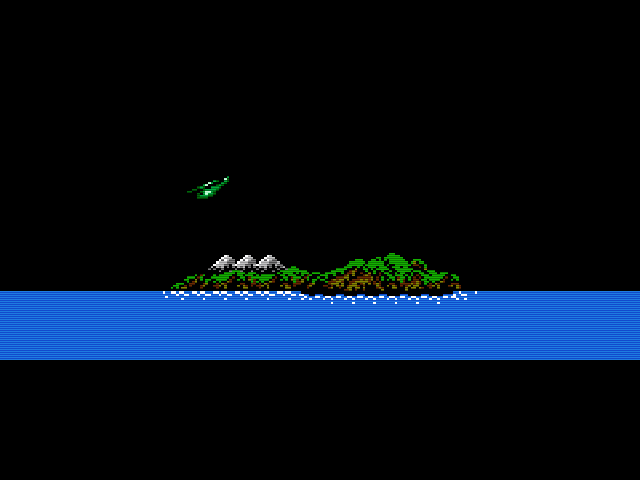
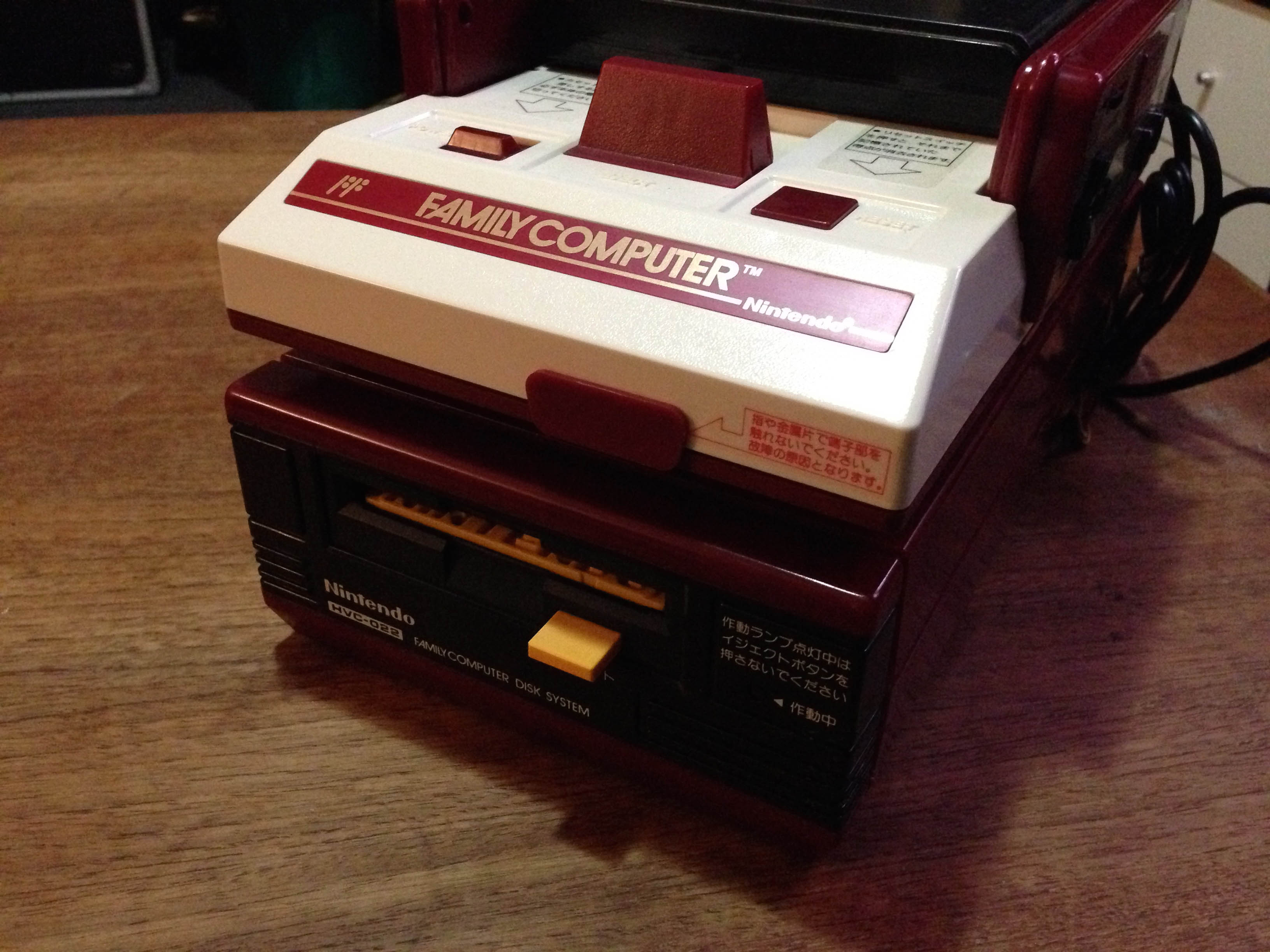
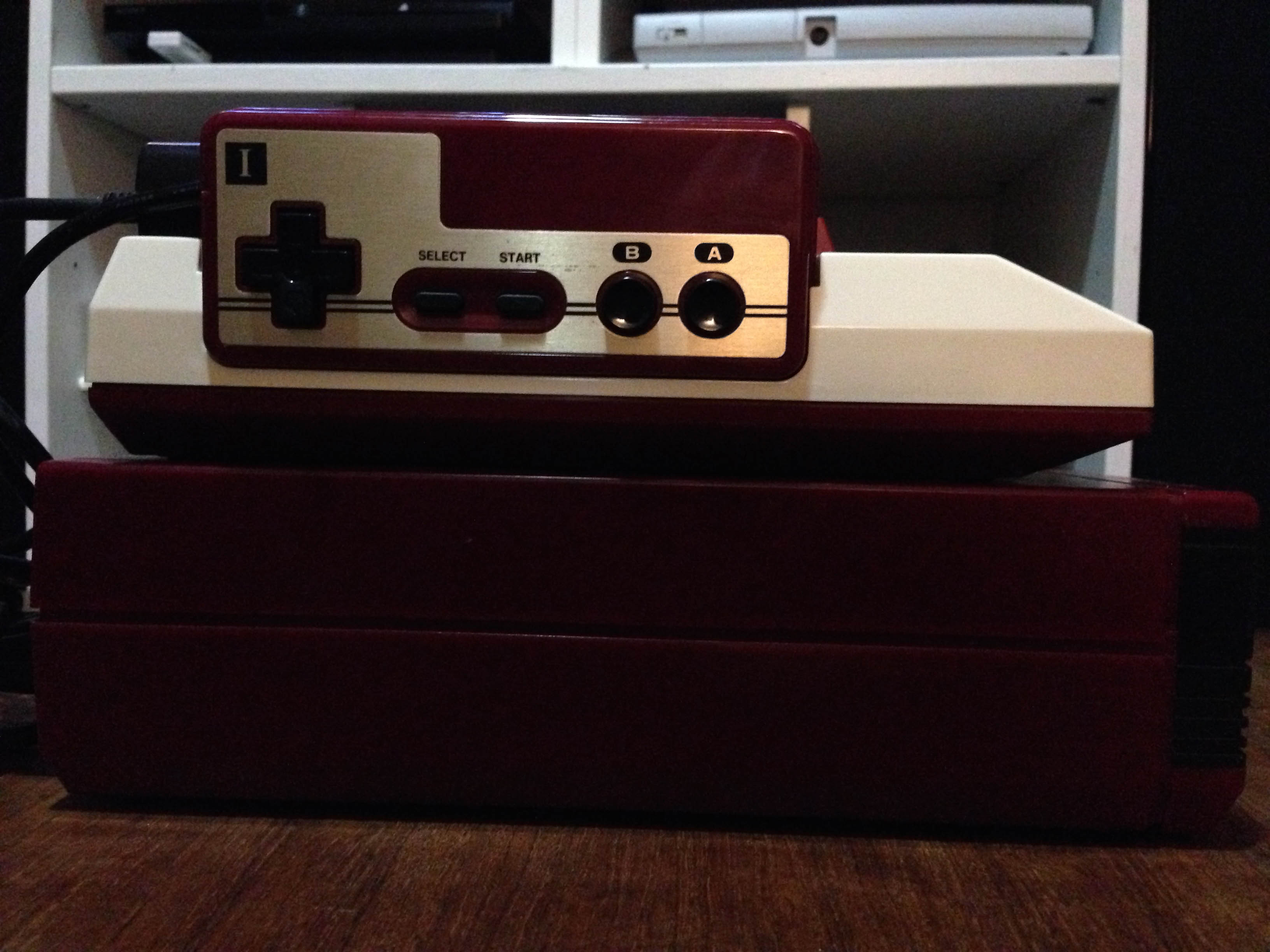
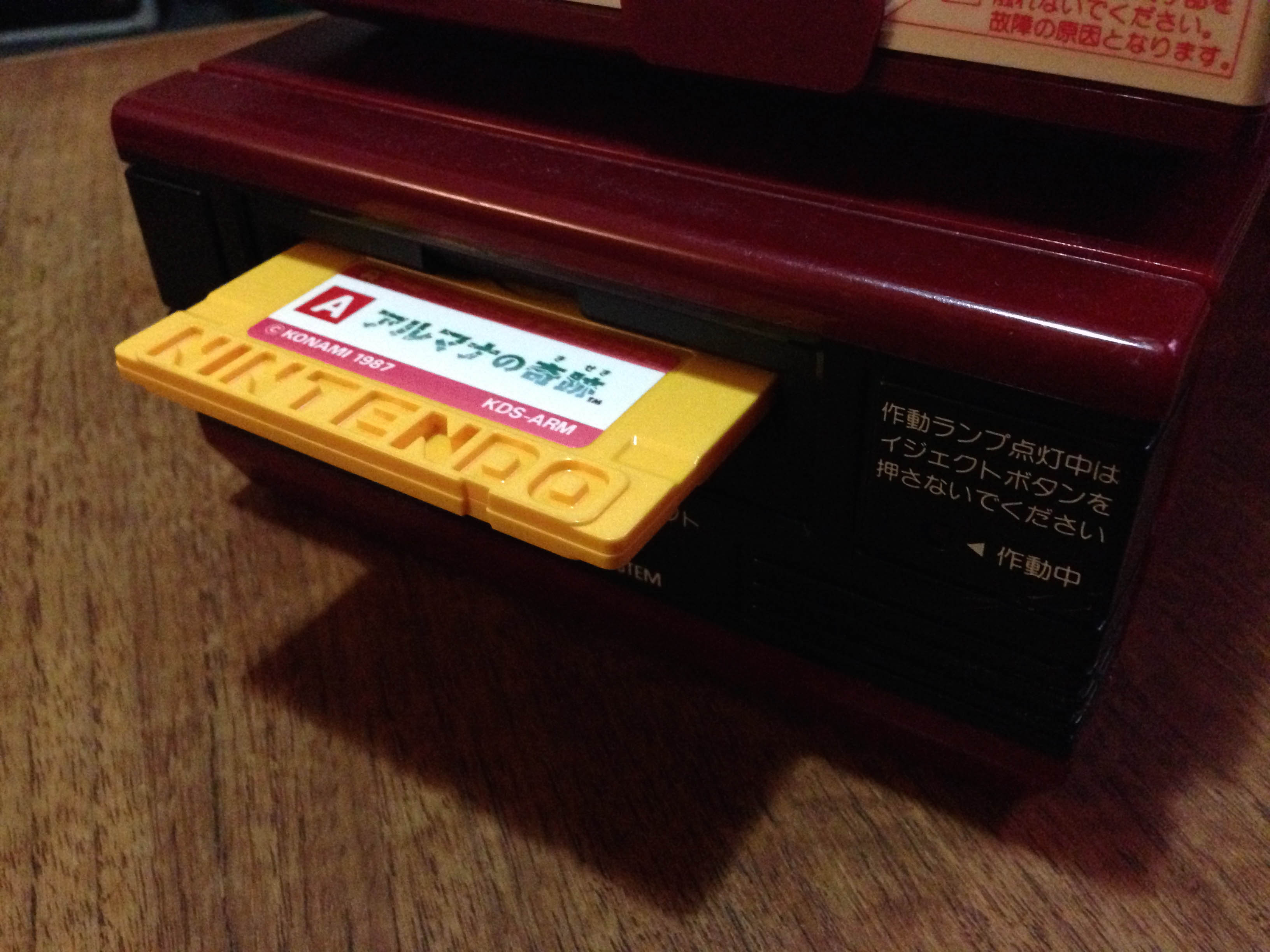
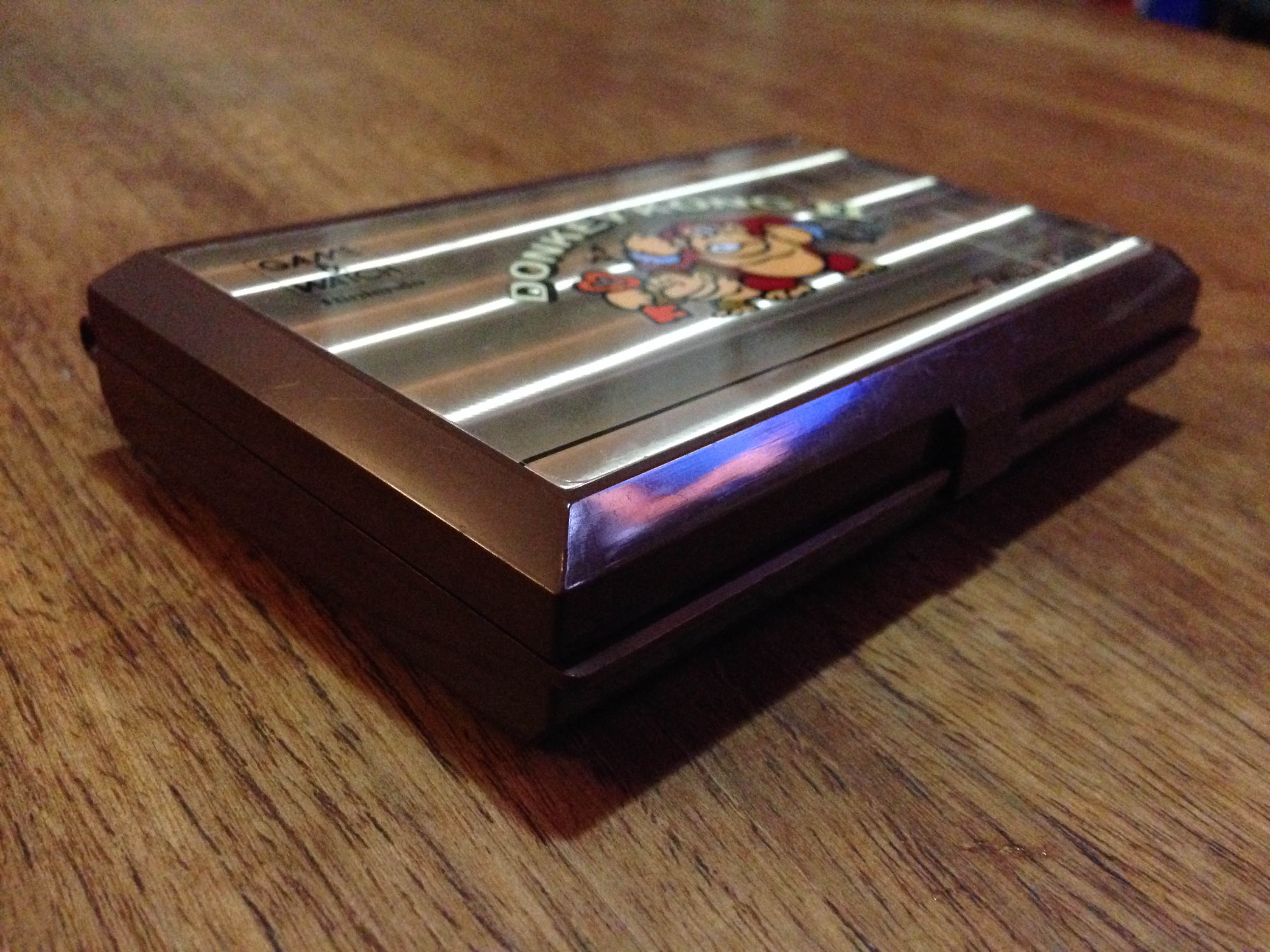
The Goonies (グーニーズ) Famicom Disk – Retail Release Reproduction

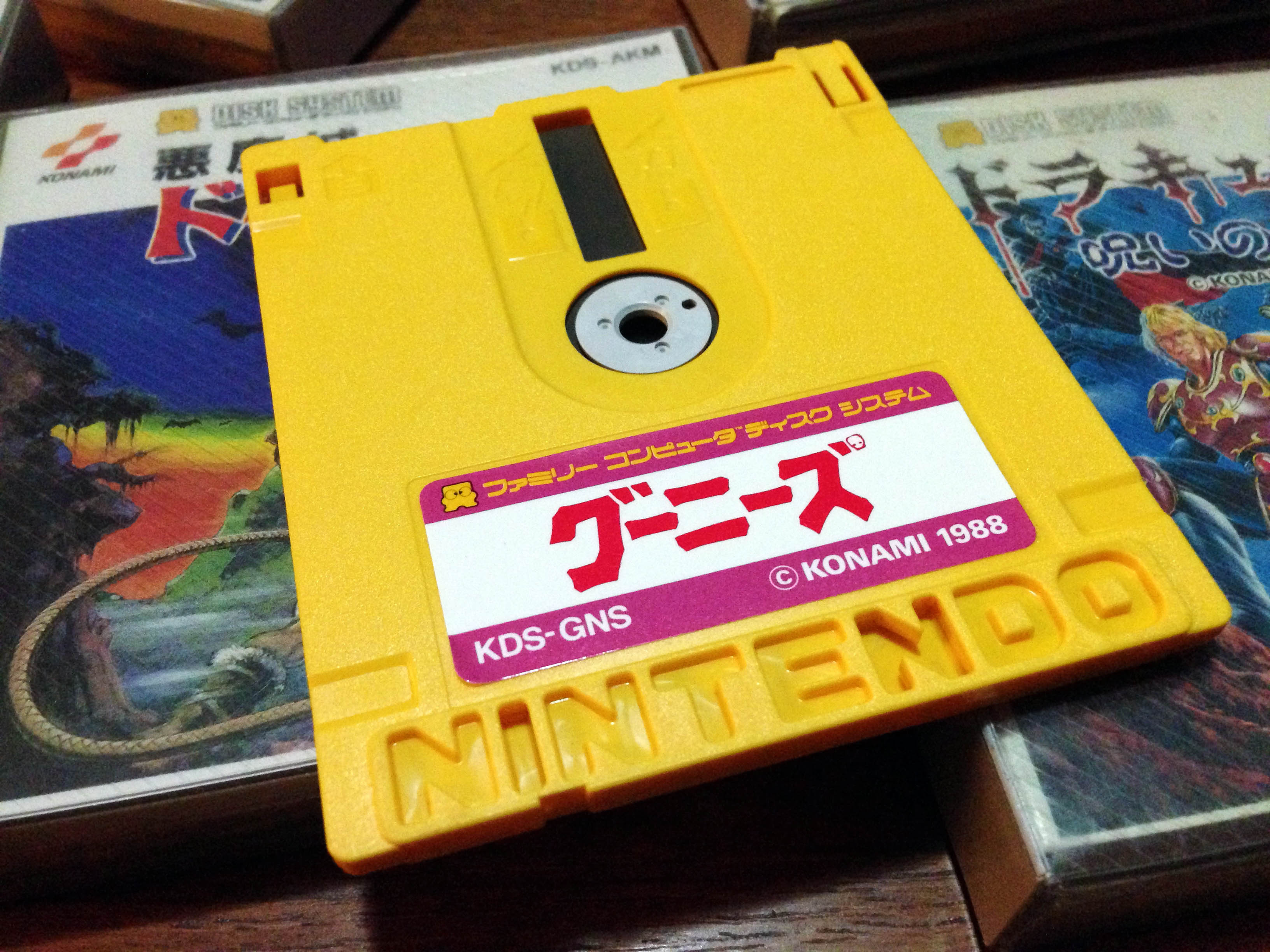
There were two Konami games on Disk System which were not released at retail, and only available as re-writes via Disk System Writer Kiosks – The Goonies and Twinbee. After much searching I managed to get my hands on a single disk with both games on it.

GooniesFDS_1 GooniesFDS_2

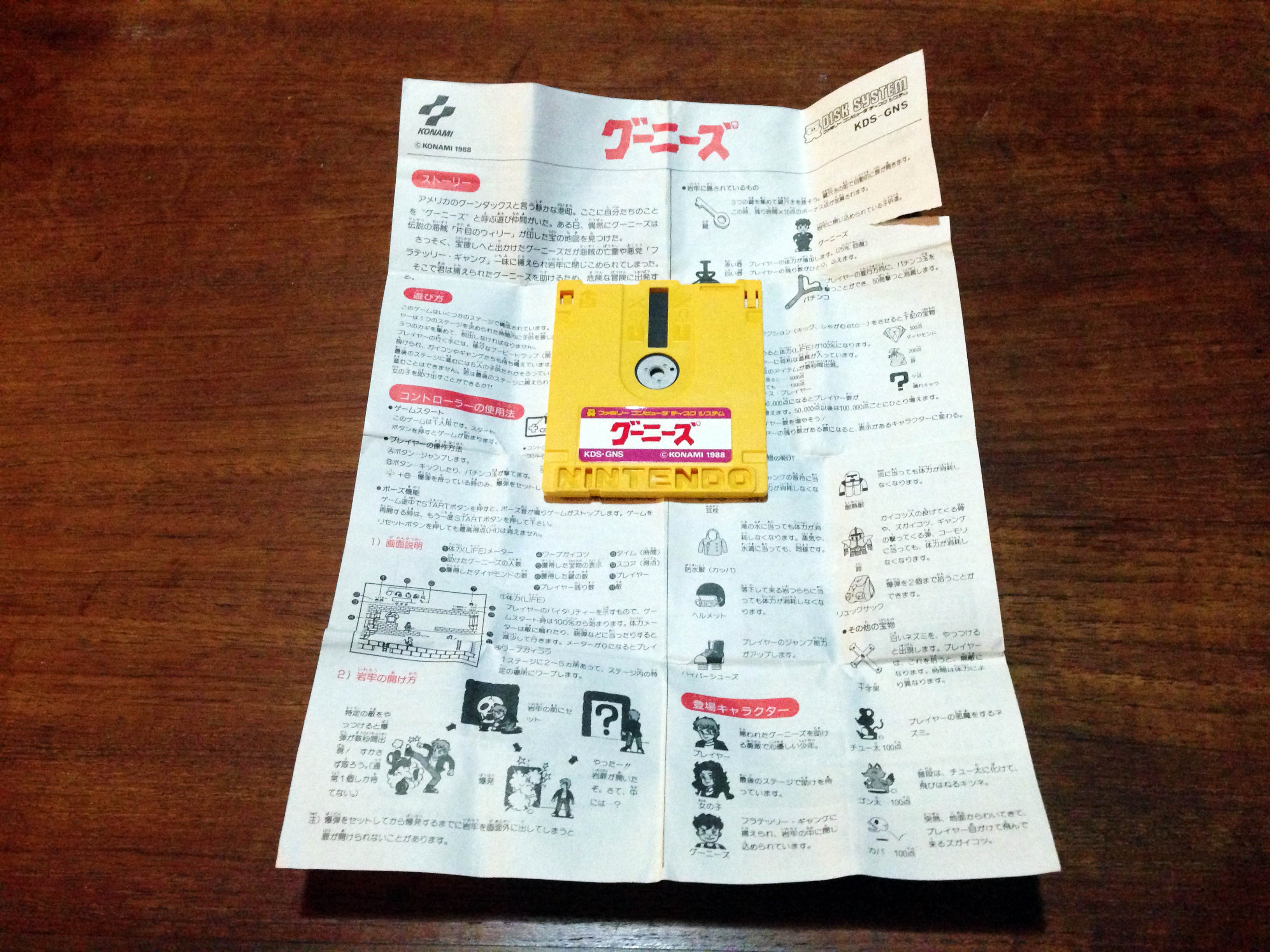
Disk Writer games came with a nice official printed disk label and fold-out paper manual.GooniesFDS_3

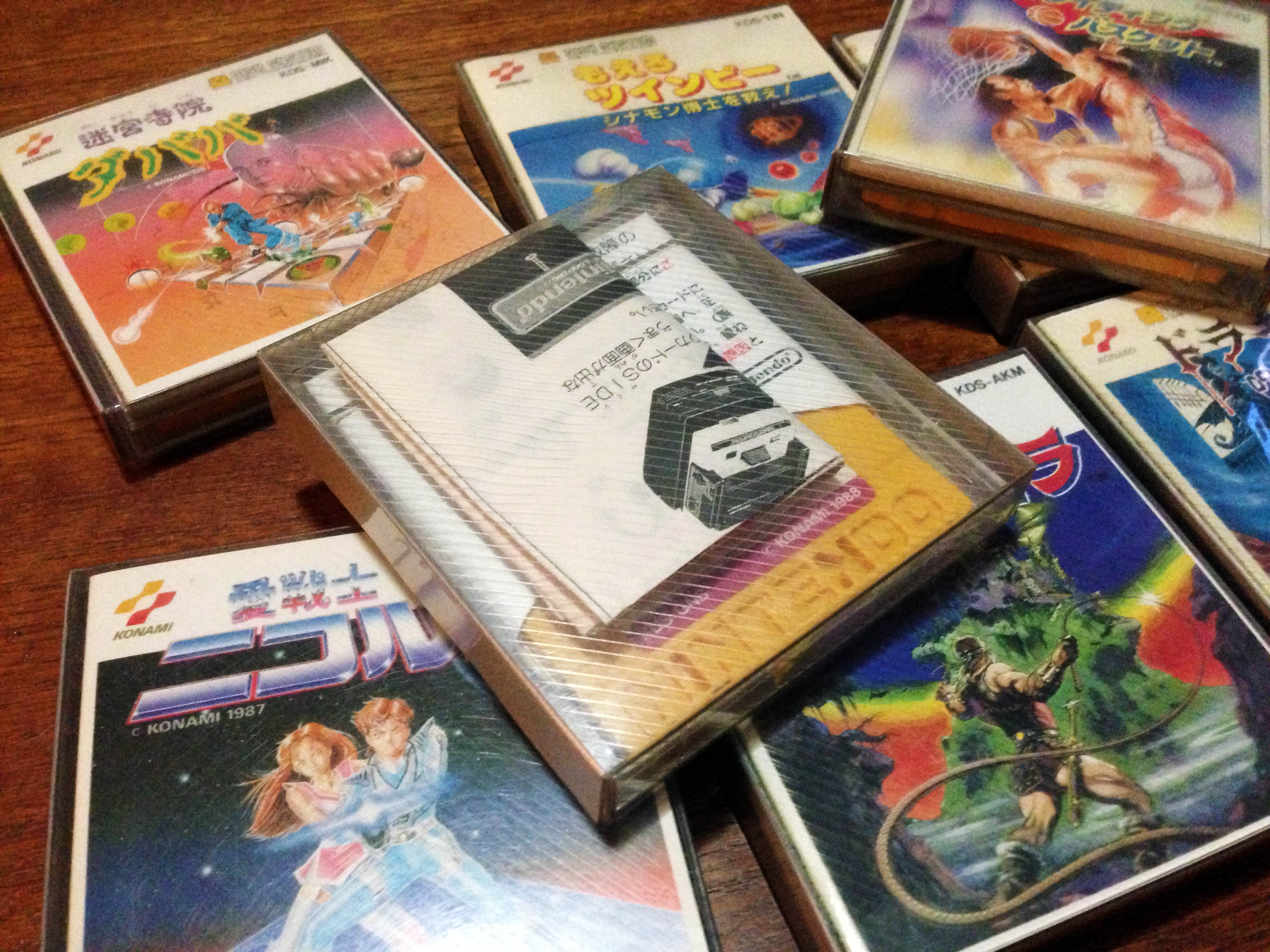
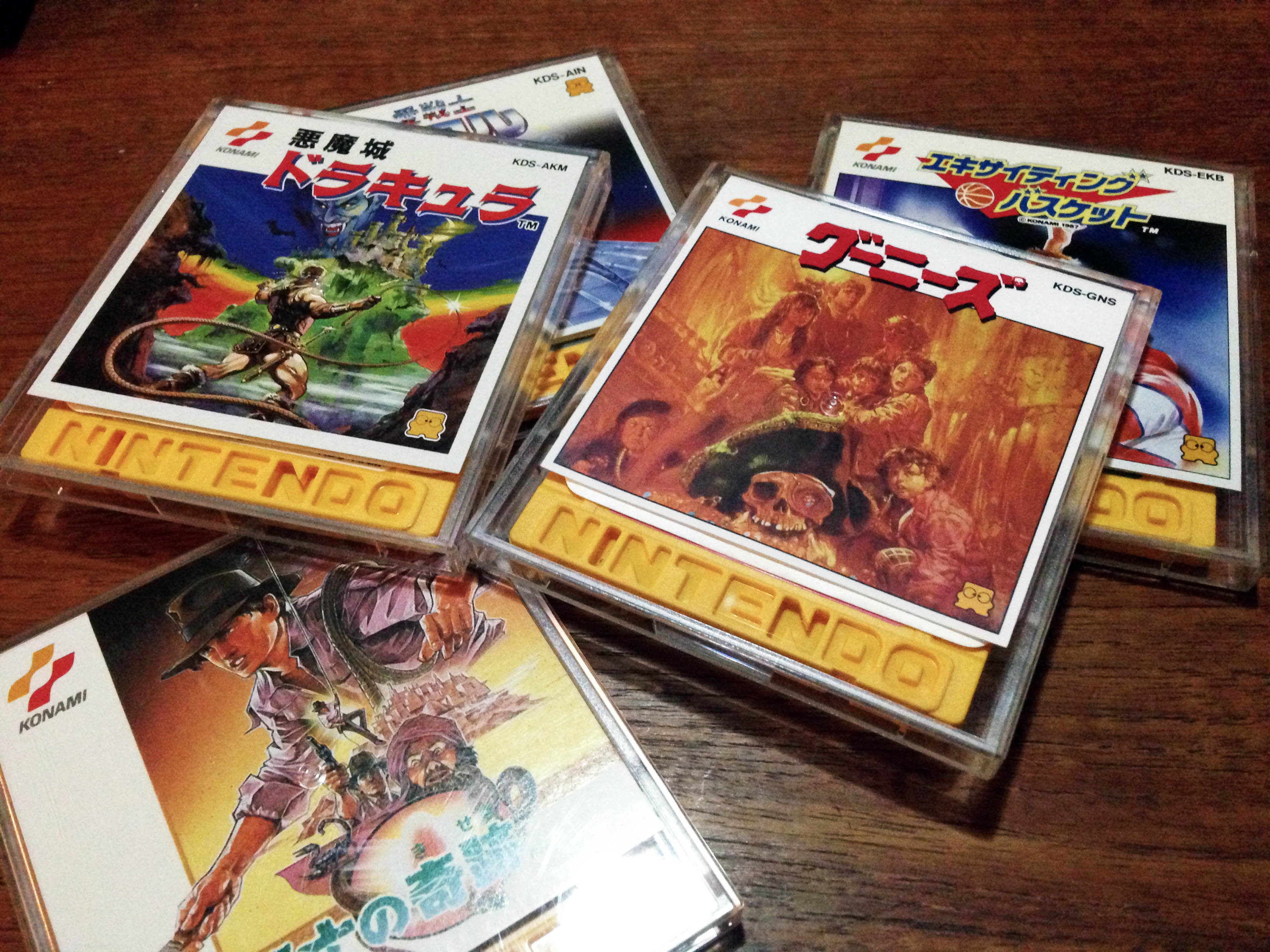
But it doesn’t match the rest of the otherwise beautifully consistent Konami Disk System catalogue.GooniesFDS_5

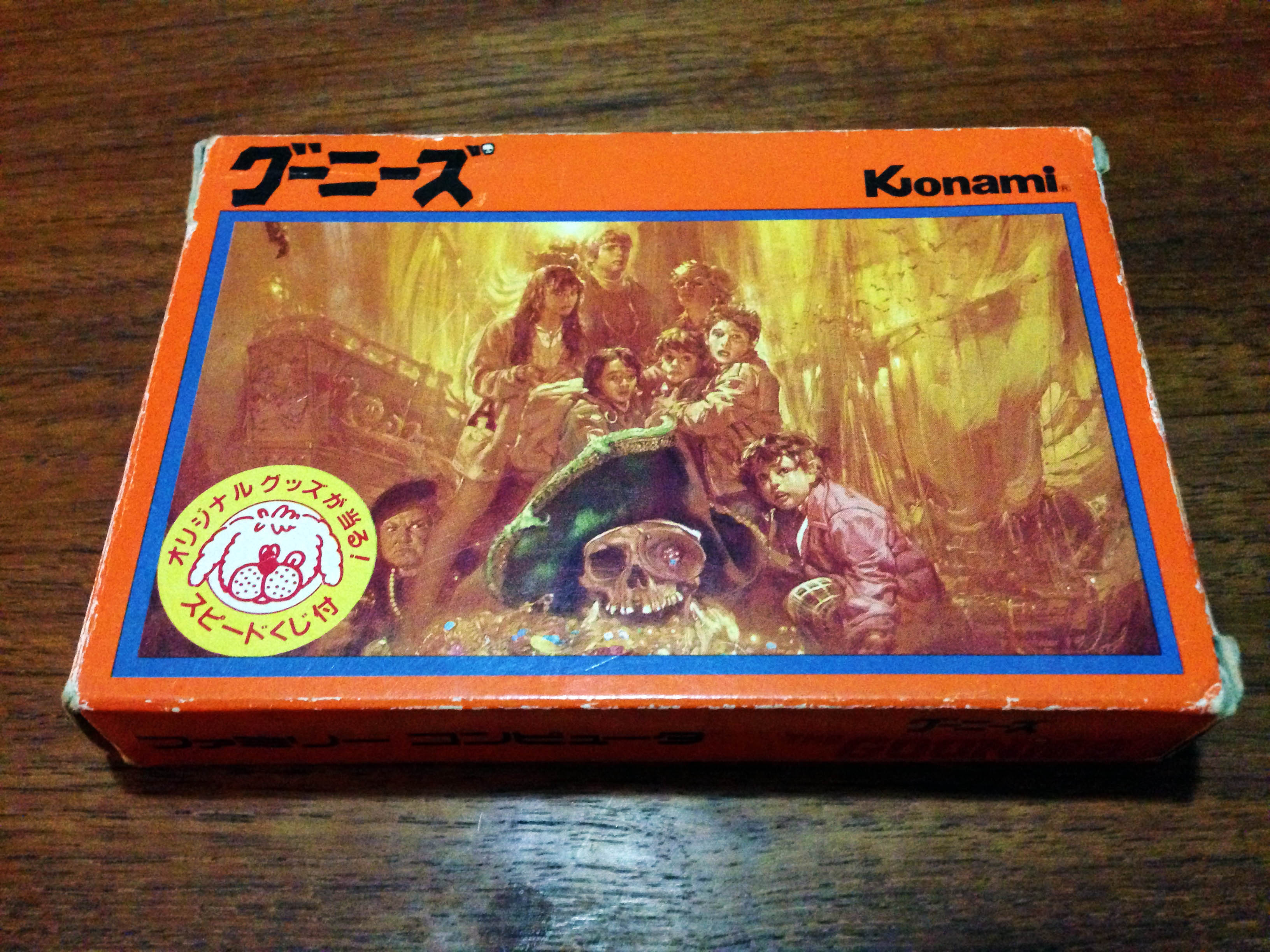
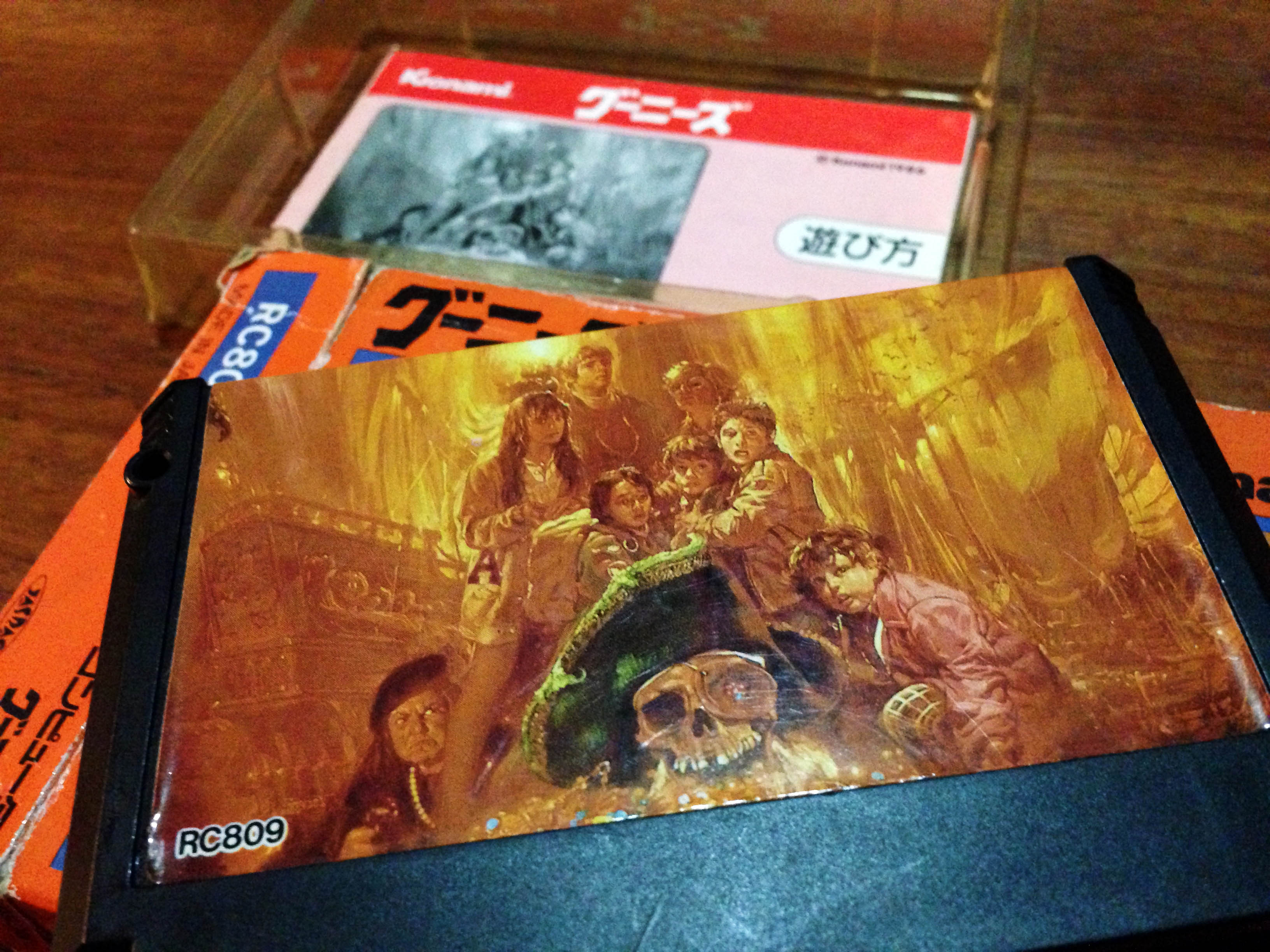
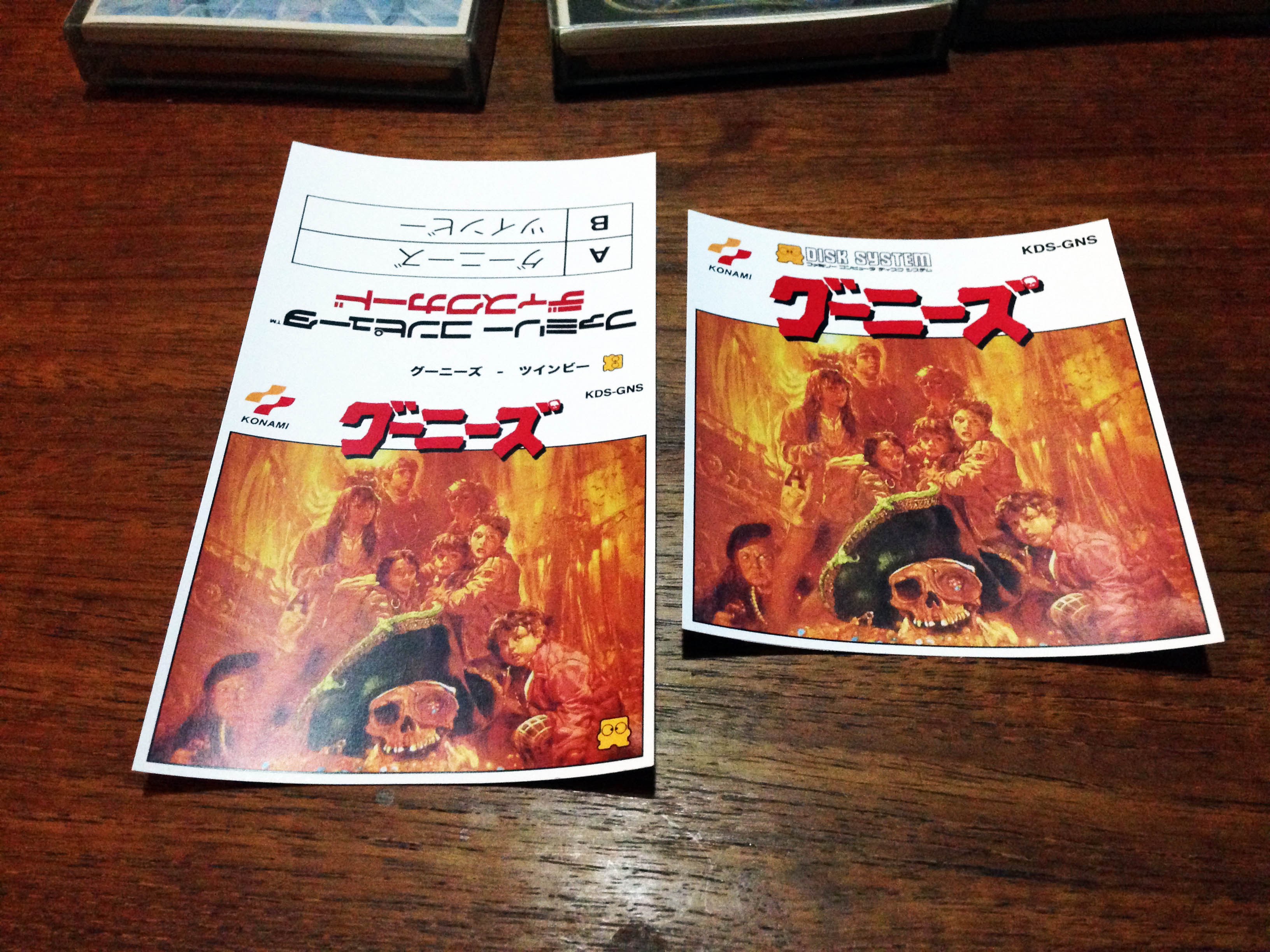
Since FDS inserts are just thin cards, I decided I could make up a reproduction retail release for Goonies, based on the cartridge box.GooniesFDS_6

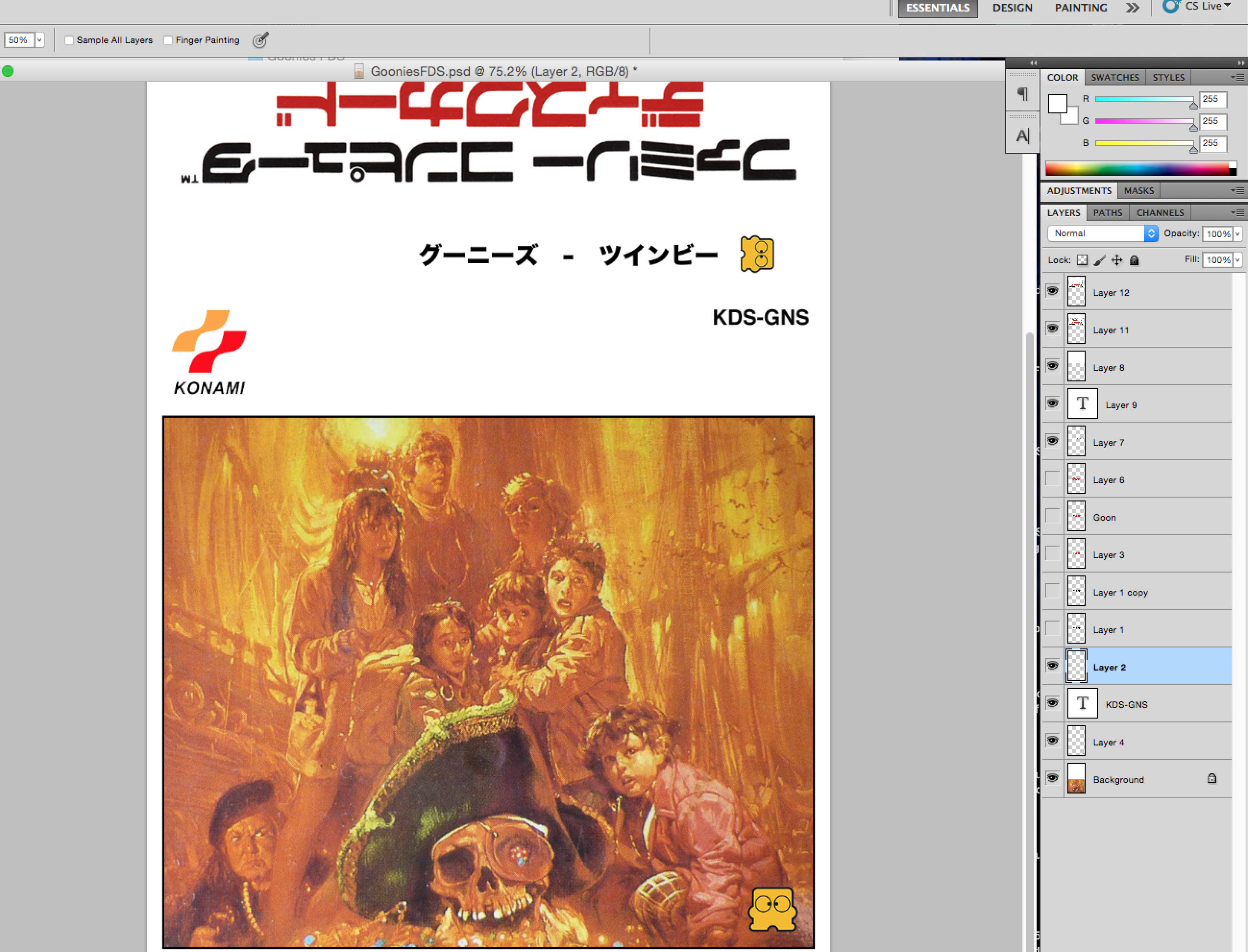
I scanned the nicer quality image from the cart label, and got going in photoshop.GooniesFDS_7

GooniesShop1

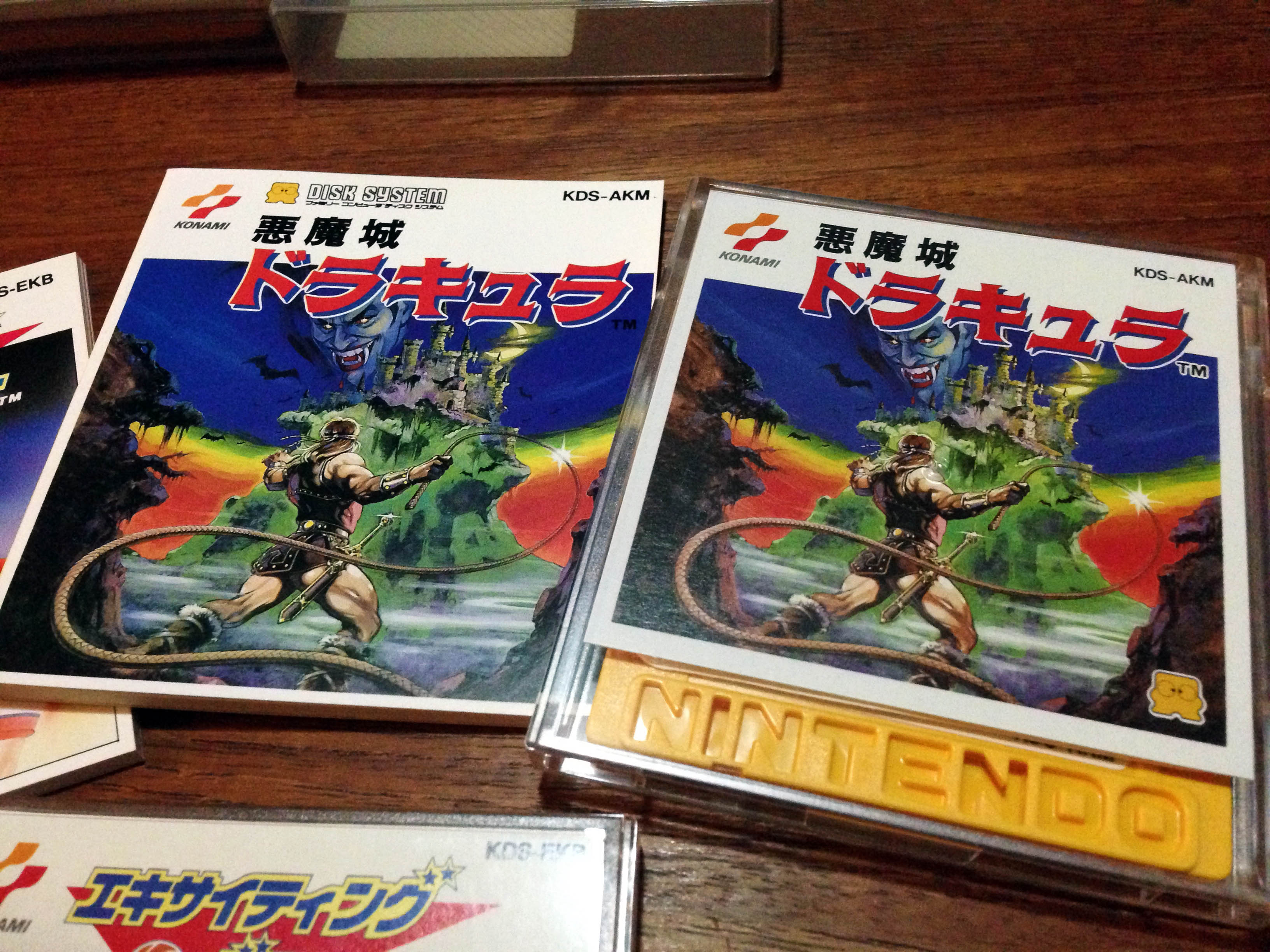
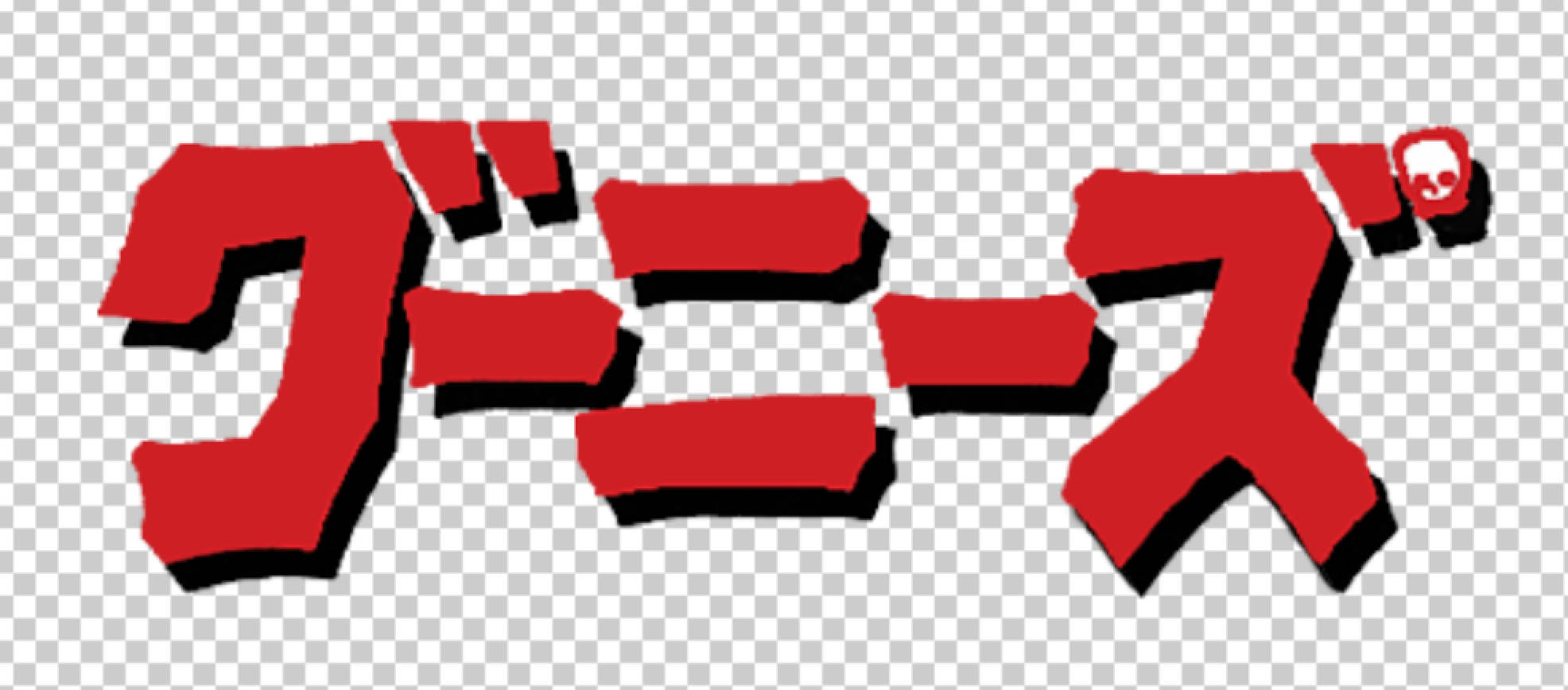
For the logo, black looked a little bland, so I took inspiration from Goonies 2 and Akumajou Dracula, and went with red, using the original black logo from the cart release as a drop-shadow. I used Akumajou Dracula and Exciting Basketball as templates for the basic formatting of the disk case label and outer-box label.

GooniesFDS_8GooniesFDS_9

GooniesShop2

I had it professionally printed on 200gsm satin printing paper, and here’s the result! Goonies on side A, Twinbee on side B, so Goonies gets main billing.GooniesFDS_11

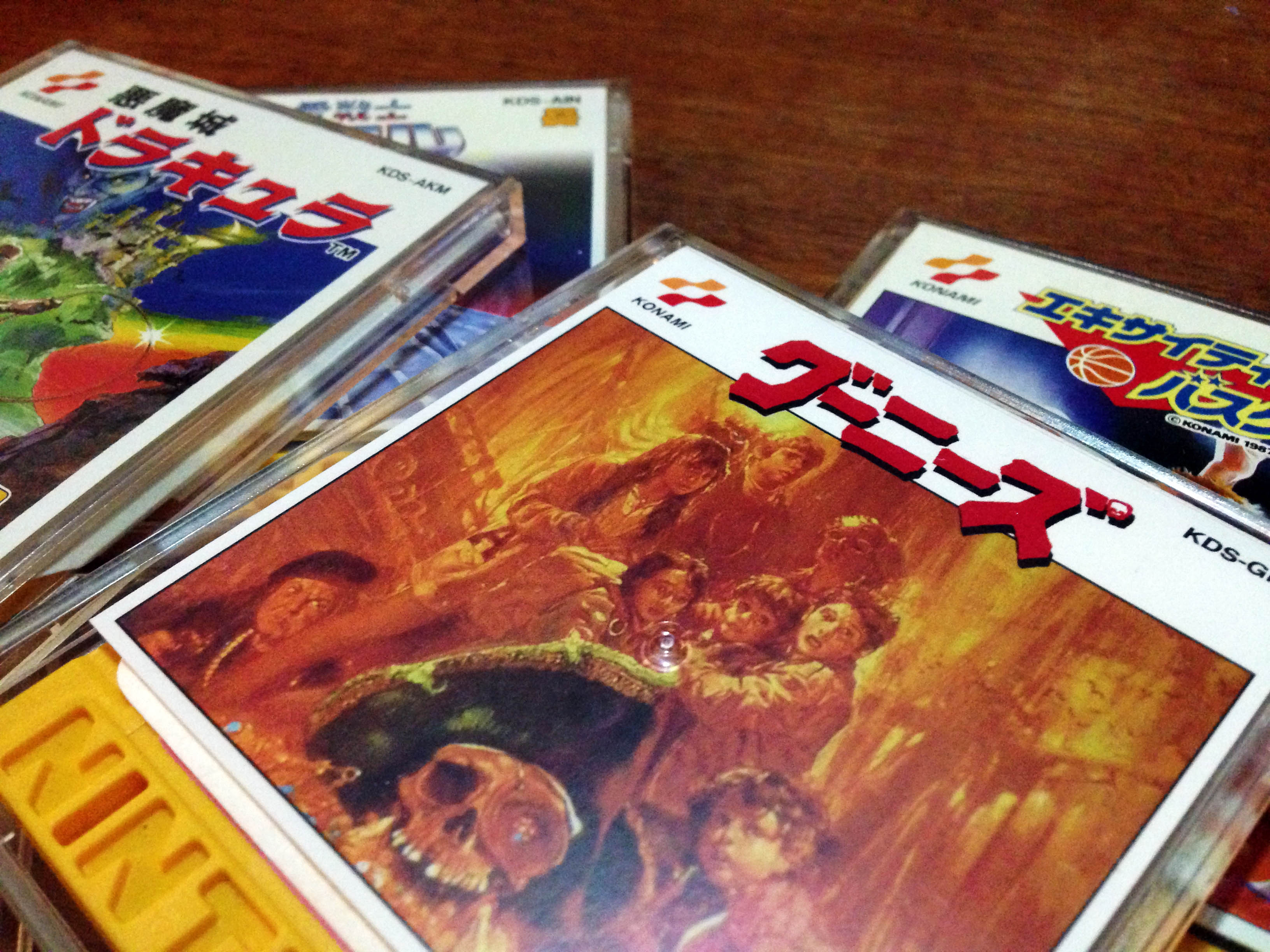
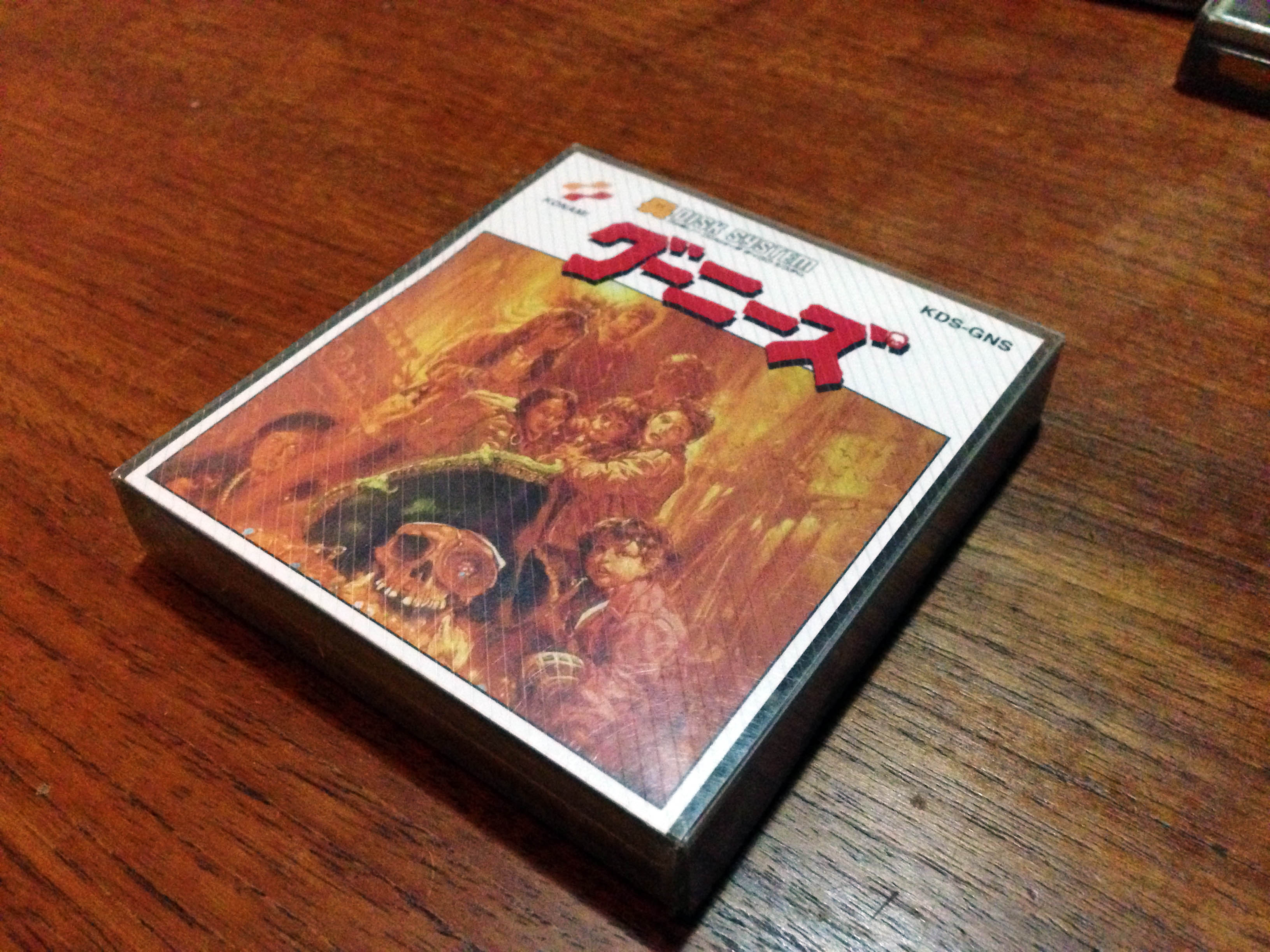
Looks great in disk-case format and full case format!GooniesFDS_12GooniesFDS_13GooniesFDS_15GooniesFDS_14

Now Goonies/Twinbee can take its place with the rest of the Konami FDS set!GooniesFDS_16

And I can finally play Goonies with additional load times!Goonies1 Goonies2

Goonies3 Goonies4

Goonies Family (Computer) photo.GooniesFDS_17

Sega Mark III 3D Glasses (セガ3-Dグラス)

The 3-D Glasses (セガ3-Dグラス)

The Segamaku had a pretty short life, but lots of wacky stuff was released in that time, including some pretty nice 3D glasses.

Sega3D_2327

Unbelievably, the active glasses are pretty much the same tech as used by most 3D TVs today! They use the same left-right alternating shutter technology, and even use the same 1.5mm stereo plug as current corded glasses. You can actually plug them into a TV or laptop that supports active 3D and they work. Alternatively, you can use modern 3D glasses on your Mark III or Master System.

The Mark III needed an adapter to use them. This adapter was built into the later Master System, which was somewhat of a waste, since the glasses came packaged with the adapter anyway.

Sega3D_2329

Sega3D_2330

Sega3D_2331

Sega3D_2333

Sega3D_2335

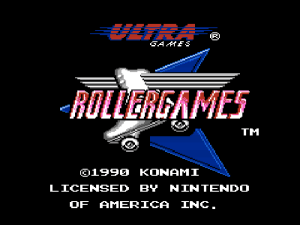
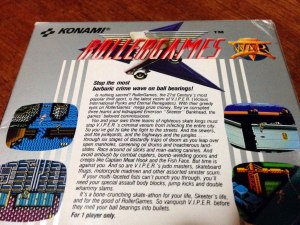
Rollergames – NES

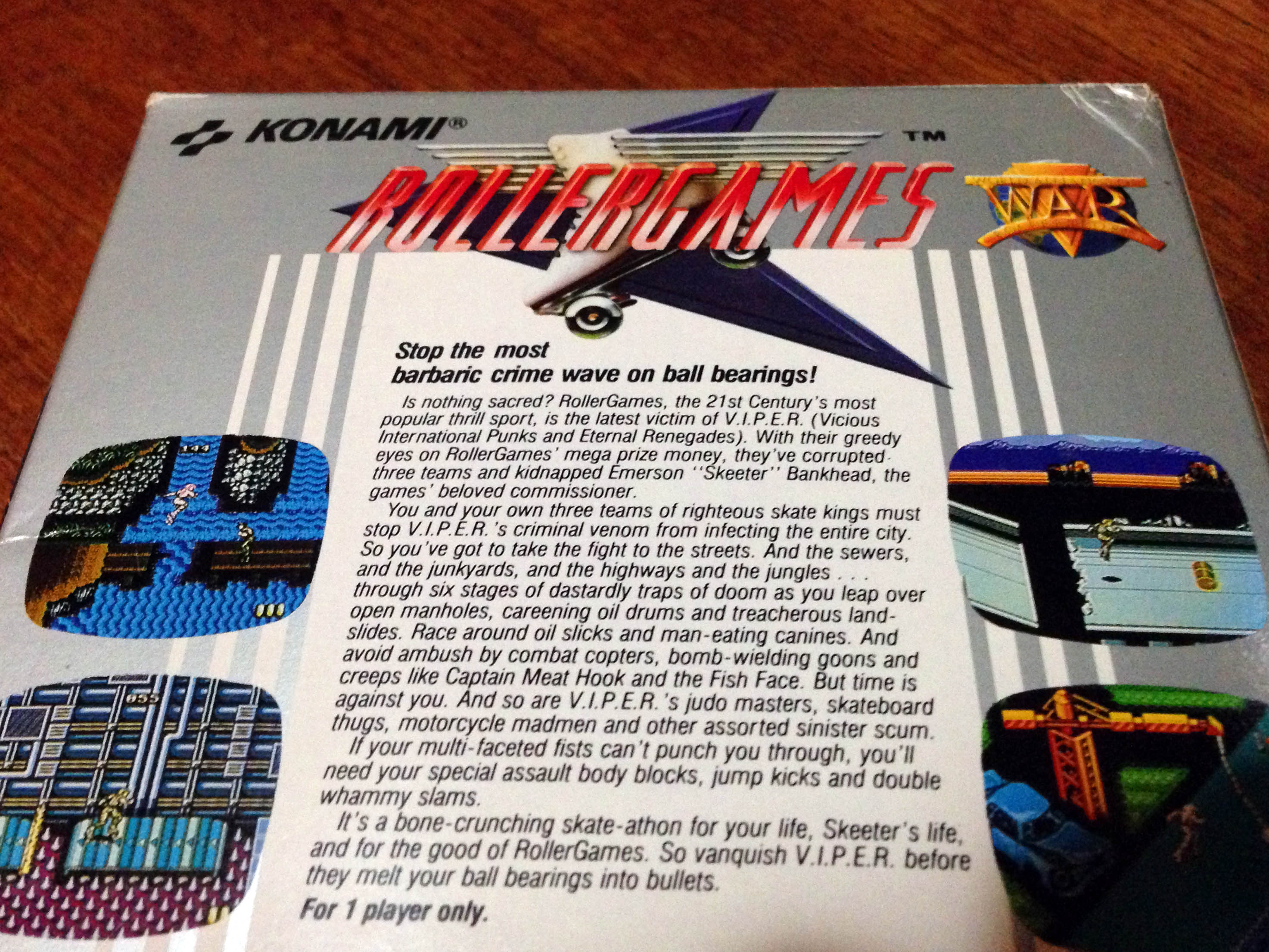
Rollergames belongs to an interesting sub-category: Japanese developed games unreleased in their homeland.

Rollergames.001

Why does this sometimes happen? Perhaps the domestic market for that type of game had dried up during its development, but the game was still suitable for western release. Or the Japanese version was cancelled at the last minute because of a clash in release schedules.

But sometimes games were specifically developed for western markets, often based on a western-only licenced property. Such as Rollergames.

Rollergames_2290

These games are interesting because they offer an insight into how Japanese publishers viewed American audiences. In Rollergames case, it appears Konami management showed the developers the source material, and said ‘make an action adventure game from this’.

Rollergames is based on a professional wrestling-esque dramatised fictional version of roller derby. Apparently it was a big deal for its single season in the US, but non-Americans would just assume it was a purely original Konami title, particularly given the arcade-style content.
Rollergames.006 Rollergames.004

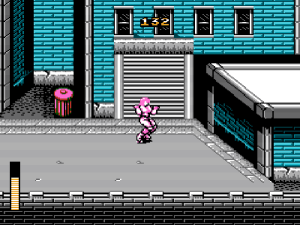
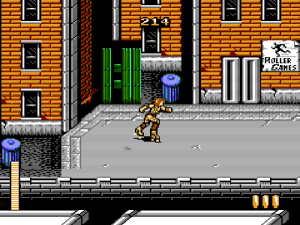
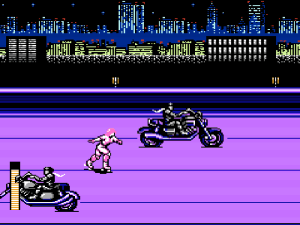
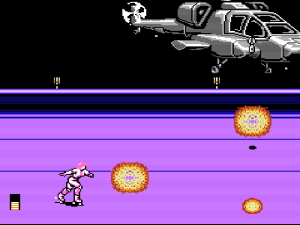
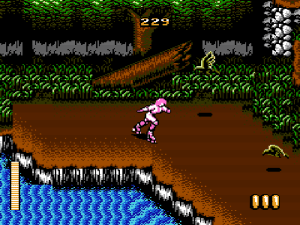
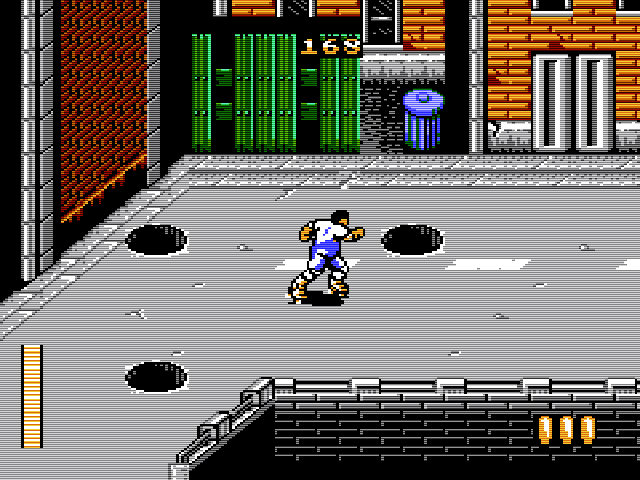
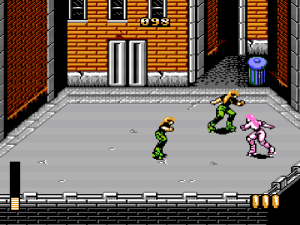
The gameplay is a unique mixture of beat-em-up and action platformer. Taking some cues from Double Dragon and Konami’s own Ninja Turtles games, and combining that with speedy momentum-based movement, isometric platforming, and Konami’s own brand of tricks and traps. Ultimately I’d describe it as a beat-em-up action platformer on wheels.
Rollergames.024 Rollergames.015

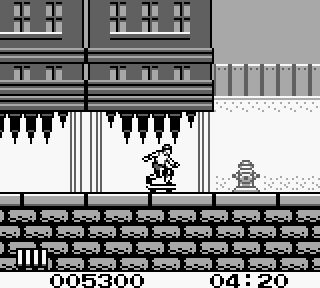
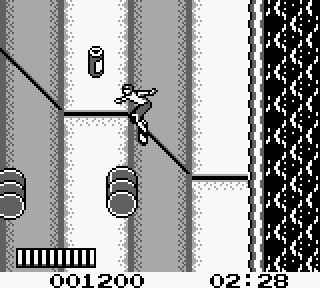
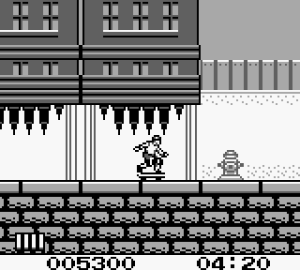
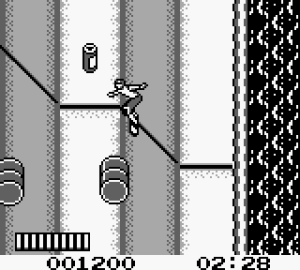
I consider it the sister game to another Konami release heavily adapted from an external source: Bad n Rad: Skate or Die on the Game Boy. Similarly based on an existing property (in this case Electronic Arts’ sub-standard Skate or Die series of games, which Konami published on the NES), like Rollergames it deviated from its source material so much as to be basically a unique property. Bad n’ Rad is a sort of racing action platformer, and has a very similar setting and feel to Rollergames. I wouldn’t be surprised if they had designers in common.
BNR1 BNR2

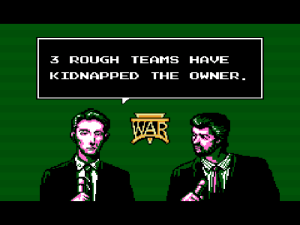
Rollergames has a setting and story that takes the basic branding and teams from the (nominally) sports-based show, and throws them into a standard videogame fictional world. A bad guy has taken the head of the league hostage, pick a Rollergames team and set out over a variety of themed stages to defeat bad guy.

You choose a team at the start of each round.

Rollergames.008

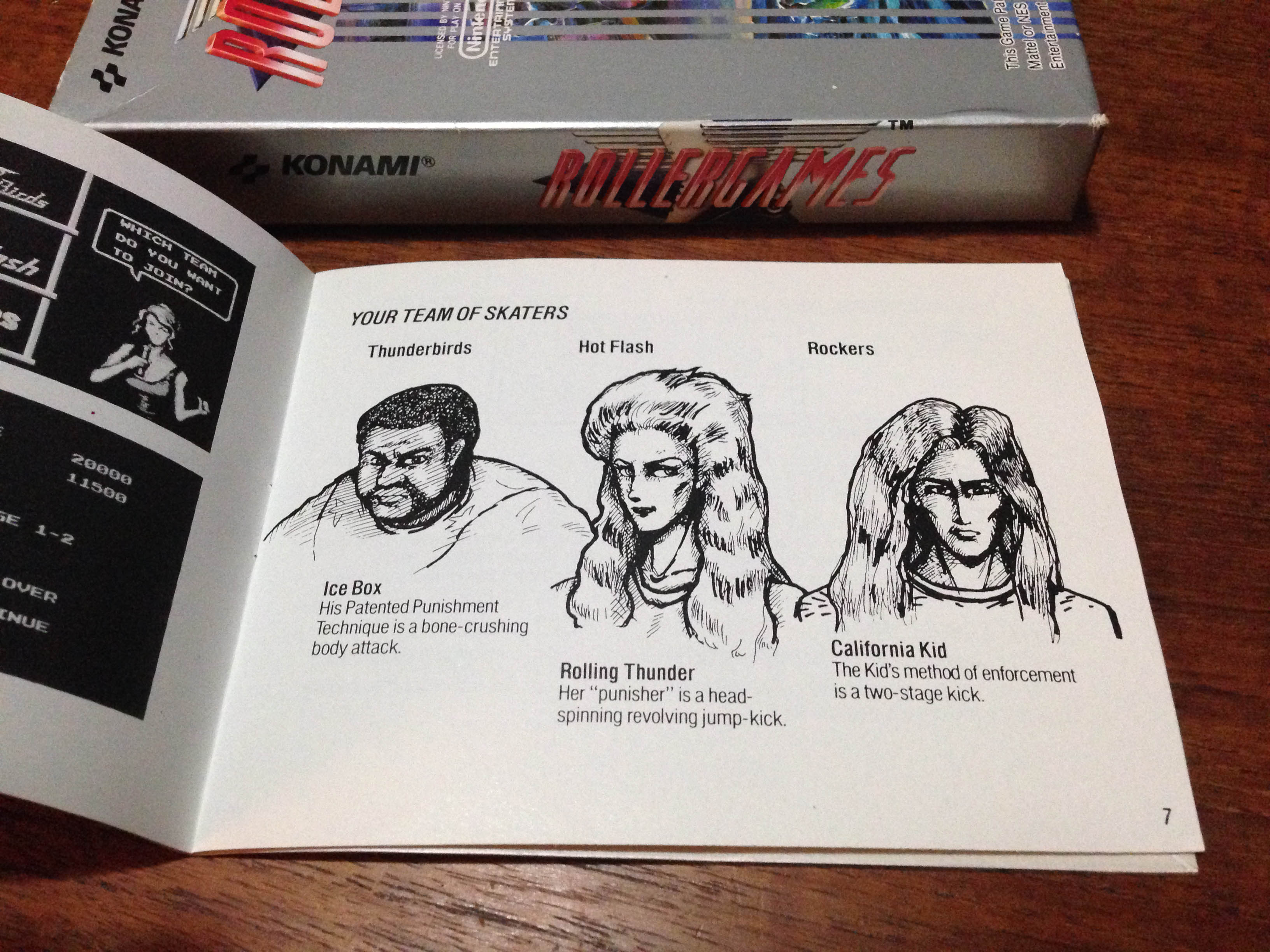
T-birds – Chunky fat dudes (I’ve now learned based on a particular fan favourite character)

Rollergames.303

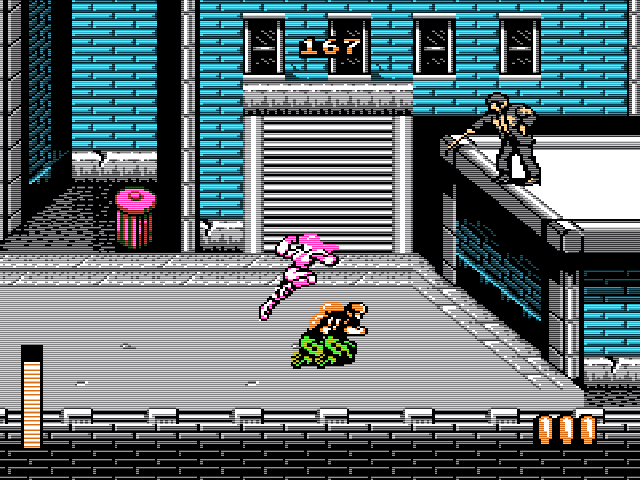
Hot Flash – Pink clad females

Rollergames.031

Rockers – Axl Rose lookalikes

Rollergames.011

T-birds guy is slow to accelerate but powerful, Hot Flash girl is fast but weak, and Rockers dude is the Goldilocks selection. I always choose Hot Flash because quicker control is more valuable in platforming (which are the most difficult parts of the game), and who can resist 80s girls in hot pink?

Most stages are centred around an evil team, with a set theme and featuring the team leader as the end boss. Main levels are broken in two, and you get an energy bar refill at a mid-stage checkpoint. They’re a mix of platforming, beat em up, and traps.

Rollergames.009 Rollergames.027

Rollergames.046

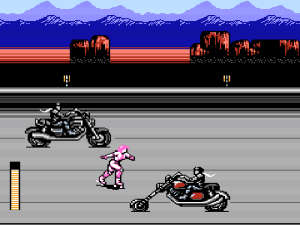
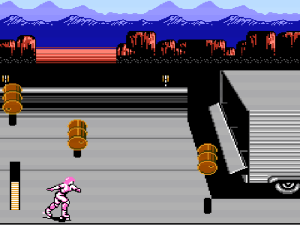
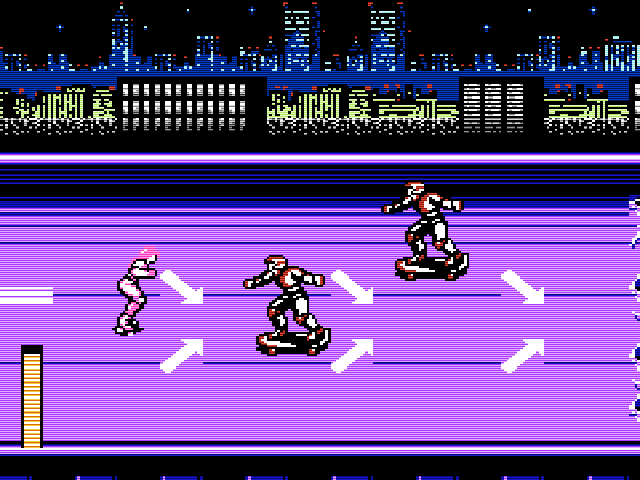
The alternate stages are constantly moving highway stages, where a variety of traps appear to try and stop you making it to the next stage. These are very similar to the skateboarding levels in Konami’s Turtles games.

Rollergames.059

Rollergames.040

Rollergames.102

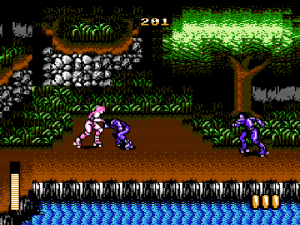
The beat em up elements feel a lot like Turtles. Fast and smooth, but relatively loose and forgiving hit detection. Once you work out the exact angle to attack enemies from, you feel pretty powerful.

Bosses are atypically well designed for a beat-em-up. They follow unique patters of attack, more like a good action platformer boss than your typical ‘big brute’ fighter boss. While they are cheap at times, you can see how you could technically not take a hit with a perfect run. More variety than normal is afforded by the premise, so not all bosses are just guys to beat up.
Rollergames.112

Rollergames.057

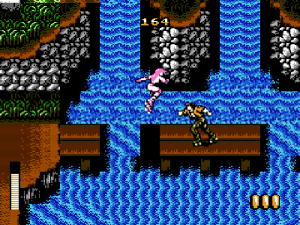
The platforming has two things going against it. The isometric-ish/3D movement (sometimes referred to as ‘belt scrolling’ because you can move up and down the ‘belt’ with perspective at an angle) makes judging jump distances much more difficult than in a standard 2D space.

You are also on wheels, and have momentum to deal with. In a sense the whole game plays similarly to an ice world in a Mario game, all slip and slide. Combine the perspective with the momentum and it’s a recipe for frustration for those without quick fingers. Add to this banked surfaces (which feature heavily in a later stage) and speed and this becomes a tough game to beat.
Rollergames.113

Rollergames.053

But it’s not unfair or impossible. It will require level memorisation and quick reflexes, but all traps are passable every time.

Rollergames.117

Presentation wise, it’s classic high-quality Konami. The graphics are fantastic, Konami’s trademark ‘faceless’ characters are big and well defined. Detailed colourful environments, a rock solid engine with basically no sprite flicker, and some excellent parallax effects on the highway stages mean this is a top-shelf NES game graphically.
Sound effects are good standard NES stuff, and the accompaniment is a series of excellent catchy tunes (by one of the Castlevania series’ composers) which perfectly match the solid game mechanics. The music also has a very ‘Konami Turtles’ feel.
Rollergames is a hidden gem on the NES.

Rollergames_2292 Rollergames_2297

Rollergames_2302 Rollergames_2293

Rollergames.001 Rollergames.002

Rollergames.041 Rollergames.042

Rollergames.025 Rollergames.027

Rollergames.044 Rollergames.057

Rollergames.054 Rollergames.110

Rollergames.114 Rollergames.106

Contra (コントラ Kontora) – Famicom

How good is the original Famicom Contra?

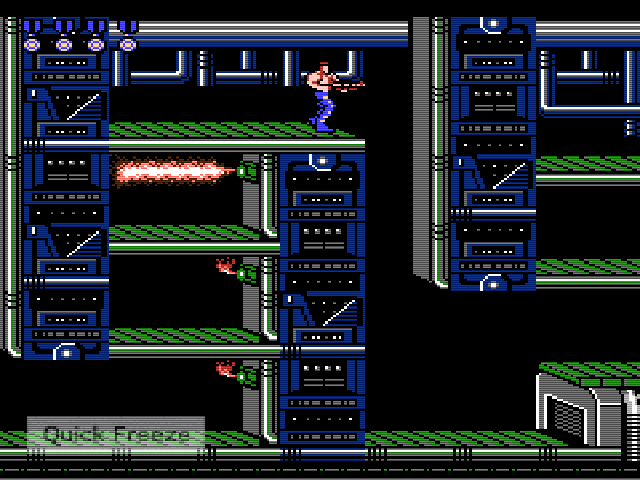
Kontura_2118 So good even the cut-down American version and robotomised Australian/Euro versions are still awesome.

Kontura_2127

What is it that makes Contra so great?

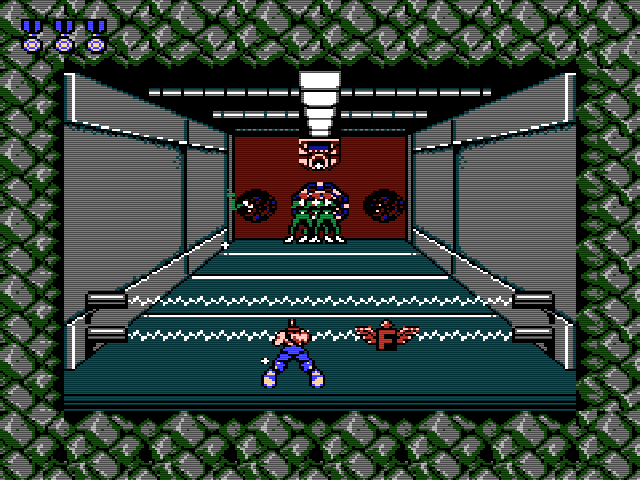
Contra.000

The whole idea is off the charts awesome from the start. Rambo and Dutch (Arnold’s character from Predator) vs the Aliens from Alien. Much like how Castlevania was a pastiche of classic monster movies (Dracula, Frankensten, Mummy Man etc) Contra is based on an 80s dream movie we never got.
Kontura_2126

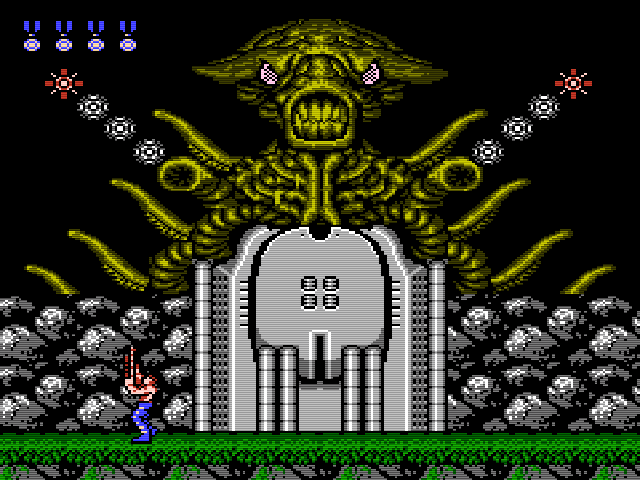
Lush jungles (apparently New Zealand), futuristic enemy bases, a subterranean alien lair – so many classic 80s macho-man settings are covered. And it looks fantastic, particularly the Famicom version (over the NES versions) with more effects, animated trees in the jungle and snow field levels, and animated alien squirming in the final stage. The music is packed with ‘big action movie’ tunes that could have been written by Jerry Goldsmith himself, and the sound effects are suitably chunky and expressive.

Contra.008

Contra.012

Contra.014

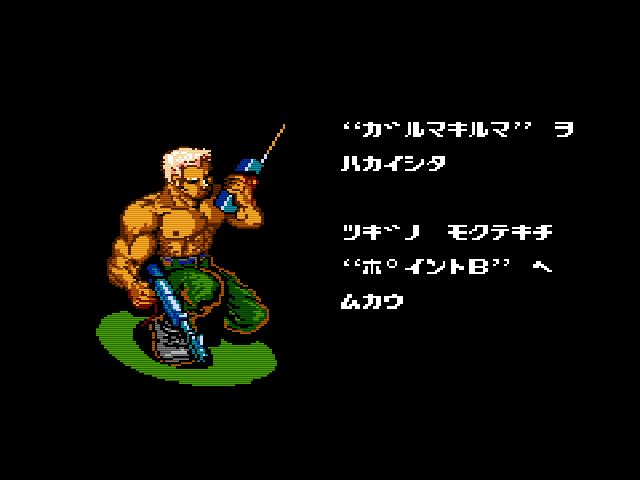
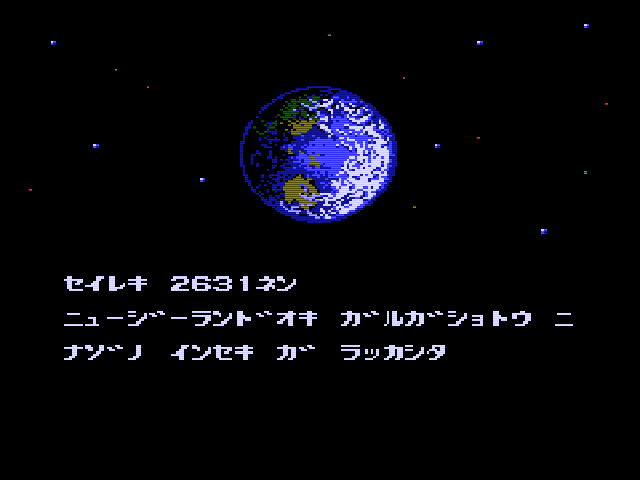
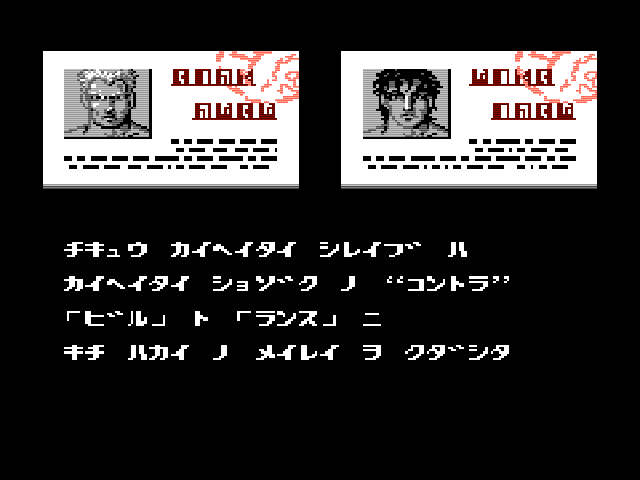
The Fami version also has cut-scenes and a rather cool Ghouls n Ghosts style overworld map.

Contra.017

Contra.007

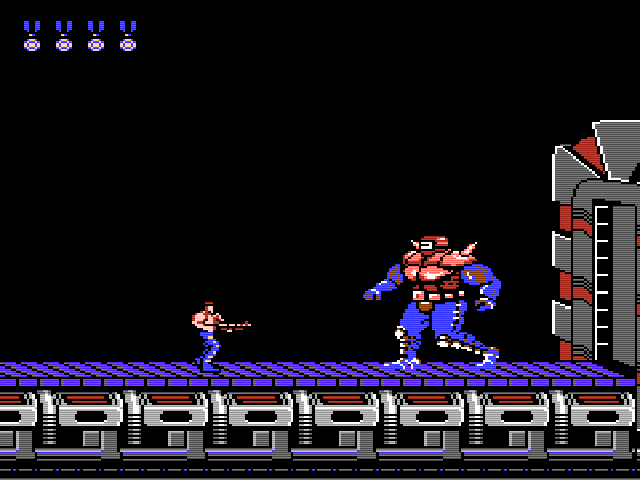
Of course ultimately it’s the killer gameplay that makes it an all time classic. Taking shooter and platfomer and melding them into a cohesive whole for the first time.

Contra.021

It has literally perfect controls. I wish every game on the Famicom had such amazing controls. It’s satisfying just to move and shoot, and you always know a death was your own fault.

Contra.028

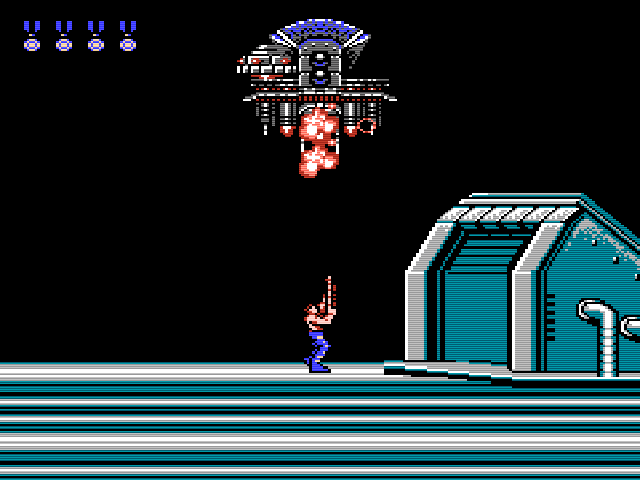
Enemy and boss designs are tuned to offer a pitch-perfect challenge. The variety of tasks, settings, and ideas was top of the industry at the time of release.

Contra.042

The arcade game was very good, but the team that ported it to the Famicom are the ones who got it most right. The more colourful, tighter controlled home version is one of the rare times that a home port eclipses an arcade original.

Contra.040

Contra.047

Contra.056

The Contra series unfortunately didn’t last as long as it should have as a top-tier franchise. Two equally excellent sequels (Super Contra and Contra Spirits) and a very good side game (Game Boy Contra, known as Operation C in the U.S.) got the formula right, but after that a series of missteps basically killed the brand.

A pretty bad NES spin-off (Contra Force, which was originally an unrelated project known as Arc Hound) started the trend, and was followed by a Mega Drive spin-off (Contra: Hard Corps) which was good, but in my opinion messed with the formula too much. Fiddly controls, drab settings, bad overly crunchy sound effects, and a techno soundtrack that ruined the 80s action movie feel.

Four terrible-to-mediocre games followed on PS1/PS2, all of which continued to misunderstand what made the first four games great. The first PS2 game (Contra: Shattered Soldier) was the closest to understanding Contra, but still wrecked the formula with mushy controls (likely due to the game’s 2.5D presentation which almost never works well), a stupid cycling weapon system and a lame ’emo teenager’ techno-metal soundtrack and presentation style.

It was’t until the brilliant Contra 4 for Nintendo DS in 2007 that we finally got another game that got the formula correct again, and was truly worthy of the Kontora name.

Kontura_2137

But here’s to the original Famicom game. It has been equalled, but has never been topped in its genre, even 27 years later.

Kontura_2120

The Japanese version is one of the games that came with a collector card. I finally got a copy with the card recently of a decent price, so now I’m up to 9/20!

Kontura_2123

Contra.000 Contra.002 Contra.005 Contra.008 Contra.014 Contra.021 Contra.023 Contra.026 Contra.033 Contra.035 Contra.037 Contra.045 Contra.054 Contra.056 Contra.060 Contra.064 Contra.065 Contra.066 Contra.068 Contra.069 Contra.070

Kontura_2128 Kontura_2138

Famicom NES controller

Want that classic Famicom feel without the hassle of having to sit two feet from the console?

Here’s the solution.

FamiNES Controller_2140

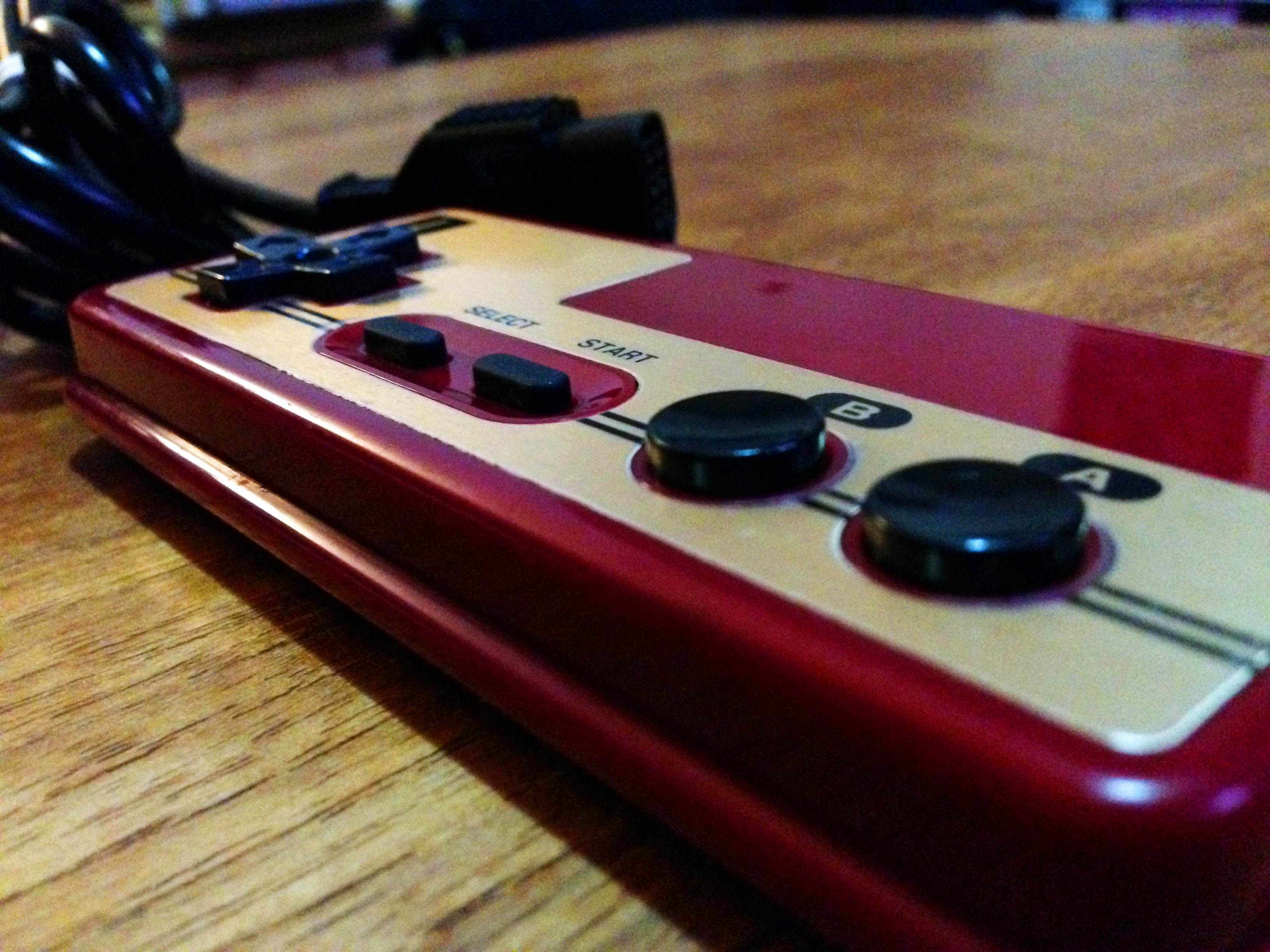
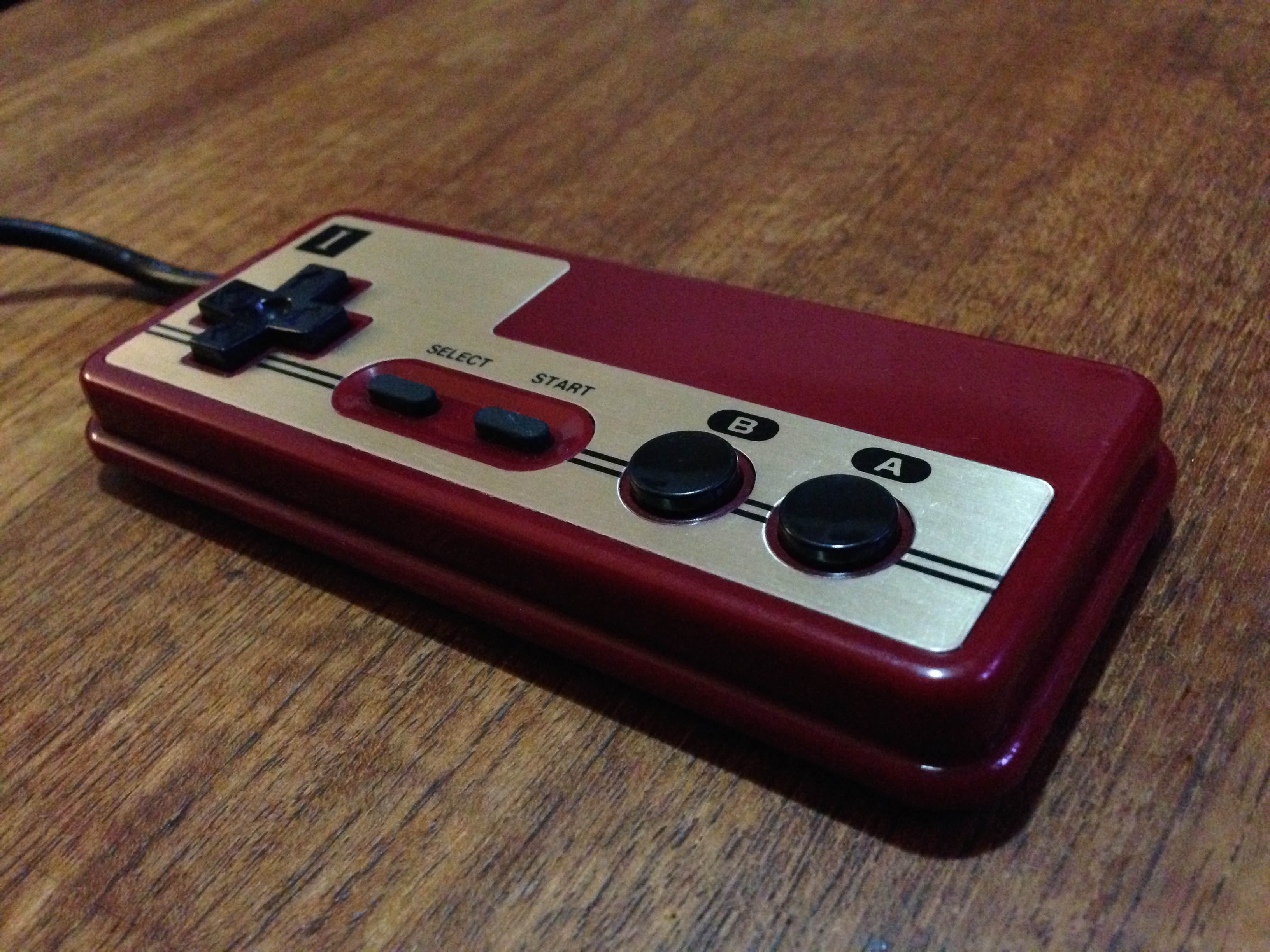
It’s an NES controller board and cord in an original Famicom pad shell.

FamiNES Controller_2142

Glorious gold faceplate on rich burgundy plastic. Rounded corners for that premium experience.

FamiNES Controller_2143

All the class, prestige and comfort of the original classic, without the hassle.

FamiNES Controller_2144

Perfect for the discerning Famicom enthusiast’s AV Fami needs.

FamiNES Controller_2145

FamiNES Controller_2148

I do the same with The Super Fami. None of the SNES’ ugly lavender concave button nonsense, but with a much longer controller cord than the Super Fami pad.

FamiNES Controller_2154

Of course, Super Famicom Jr. controller cords are the full length already. But this sucker is staying mint in the box for now.

FamiNES Controller_2158

My ready-to-go Nintendo controller drawer. Sometimes you want Famicom, sometimes you want dogbone, and sometimes you want to rock out gajin style on the squared off NES pad.

FamiNES Controller_2161

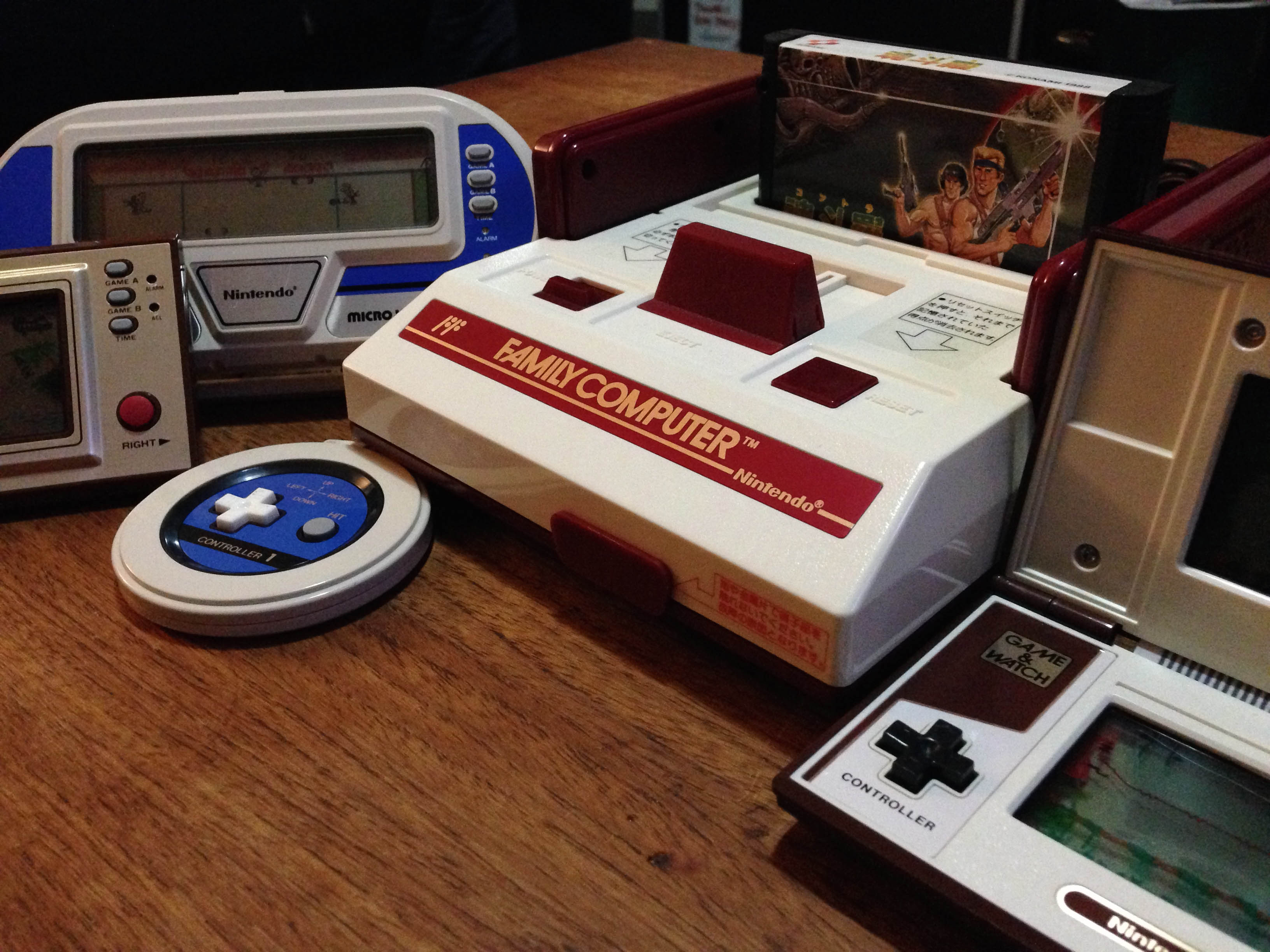
Nintendo industrial design in the early 80s

Nintendo had such a classy ‘brushed metal on high quality coloured plastic’ aesthetic in the early 80s, carried over from their original ‘Color TV game’ console series, through the Game & Watch series, and on to the Famicom.

This post is a celebration of that aesthetic.

80sNintendo_2035

80sNintendo_2039

80sNintendo_2040

80sNintendo_2042

80sNintendo_2046

80sNintendo_2047

80sNintendo_2048

80sNintendo_2049

80sNintendo_2050

80sNintendo_2051

80sNintendo_2052

80sNintendo_2053

80sNintendo_2058

80sNintendo_2061

80sNintendo_2062

80sNintendo_2067

80sNintendo_2076

80sNintendo_2094

80sNintendo_2097

The best arcade in Japan – Kowloon Walled City at Kawasaki

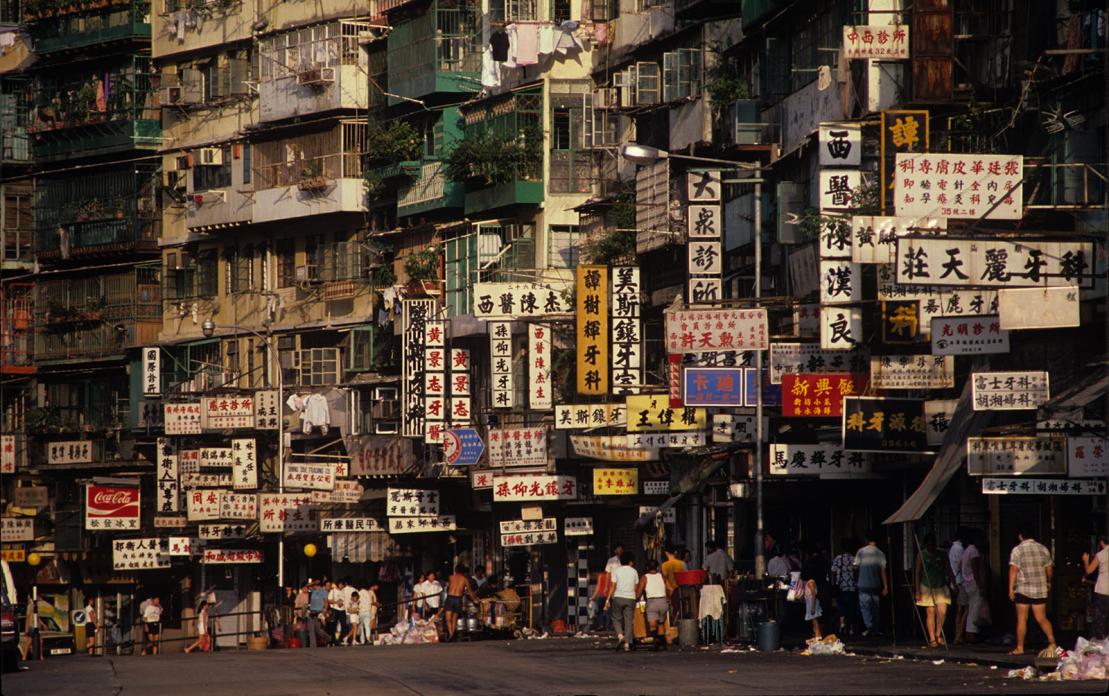
Kowloon Walled City was a lawless mini-city built just outside of Hong Kong.

Kowloon1

Established on a legal ‘no-man’s land’ and unpoliced by either Britain or China, it thrived and became an amazing mass of humanity.

Kowloon2

bloodsport
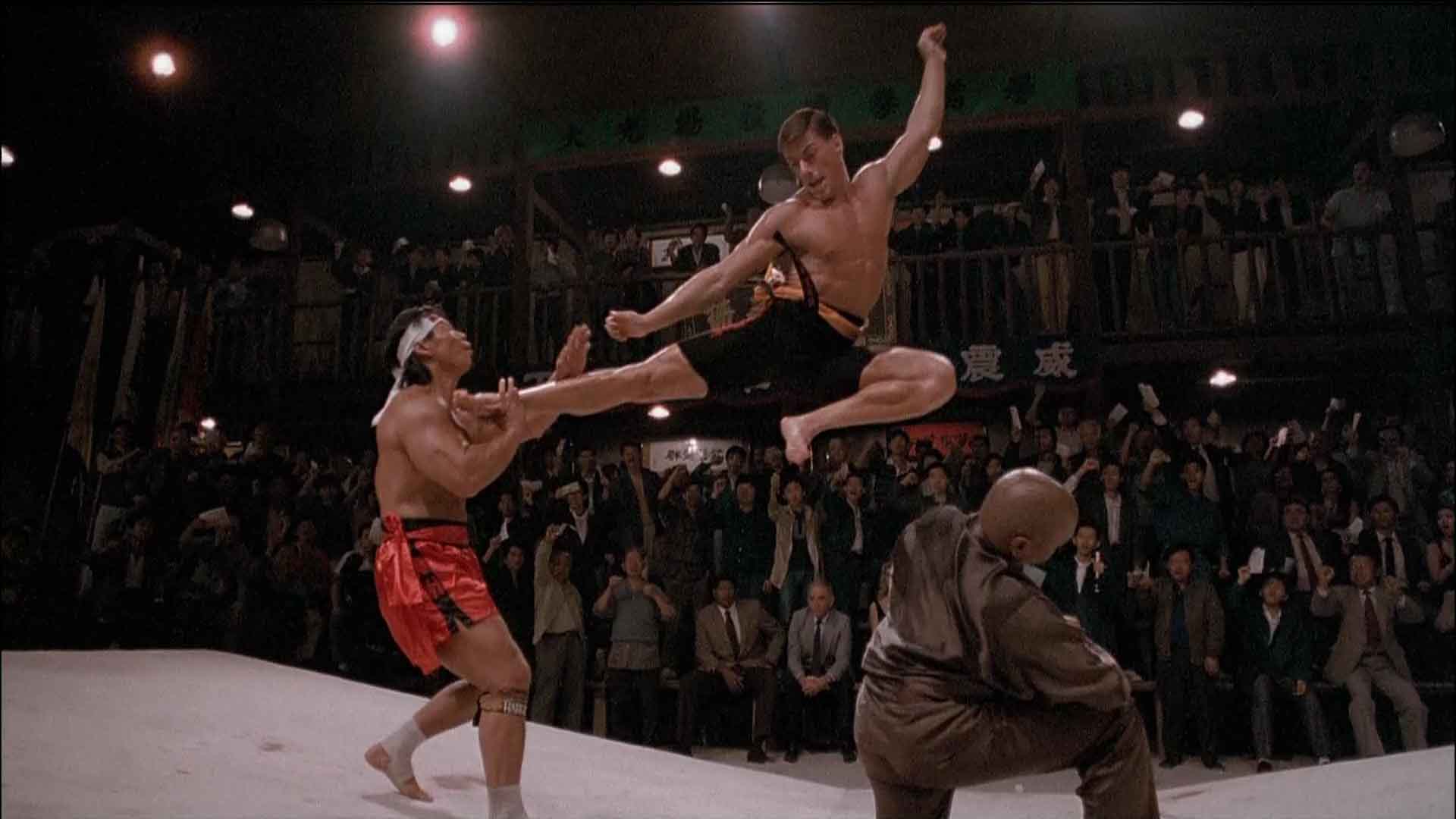
You might know it was the place the Kumite was held…

It was torn down in 1994, but I’ve always been fascinated by the place. I’ve been to where it once was, and all that is left is a boring park, with a few monuments like a piece of the original foundation, and a model of the old city.

Kowloon_1 Kowloon_3 Kowloon_5

What has this got to do with Japan?

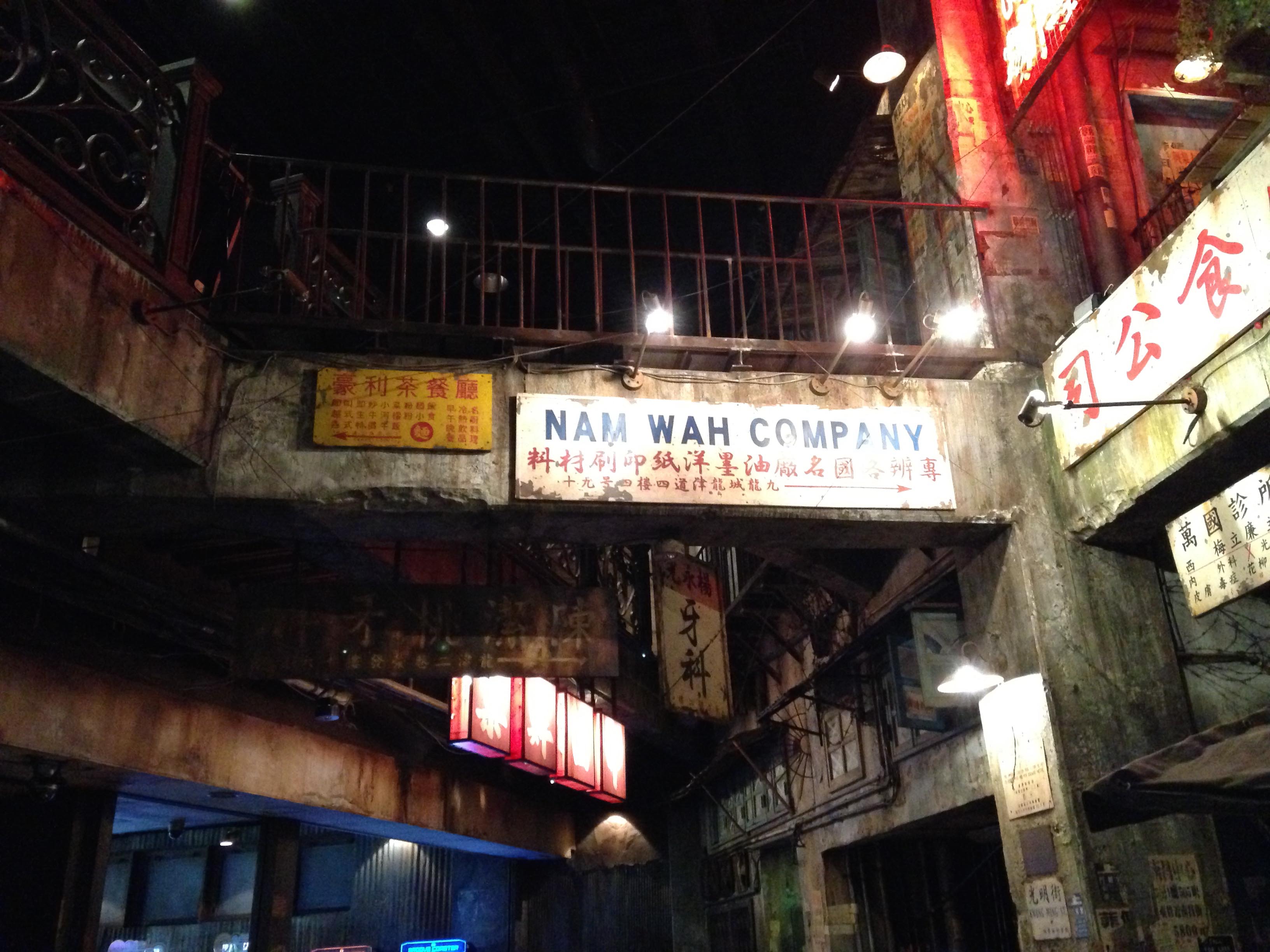
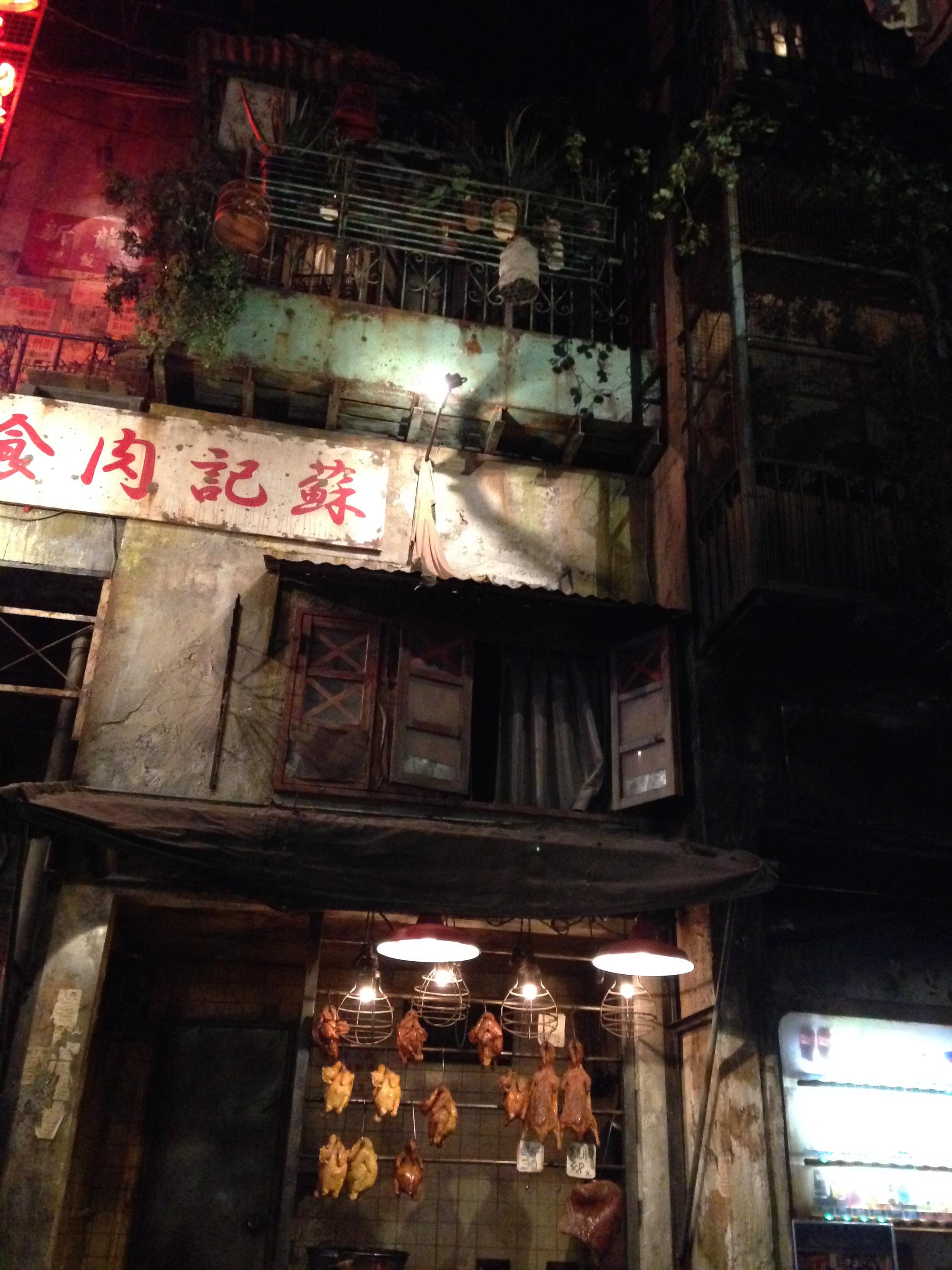
It seems I wasn’t the only one who was fascinated by the walled city, as some of the interior has been re-created in Japan. It’s called the Kawasaki Warehouse, and it’s one of many amazing pet projects by Japanese designer Taishiro Hoshino.

So we got on the train out of Tokyo and headed for Kawasaki. It’s a bit of a walk, but easy to find once in the right area.

KowloonJapan_1

KowloonJapan_2
The entrance looks right out of Tim Burton’s 1989 Batman:

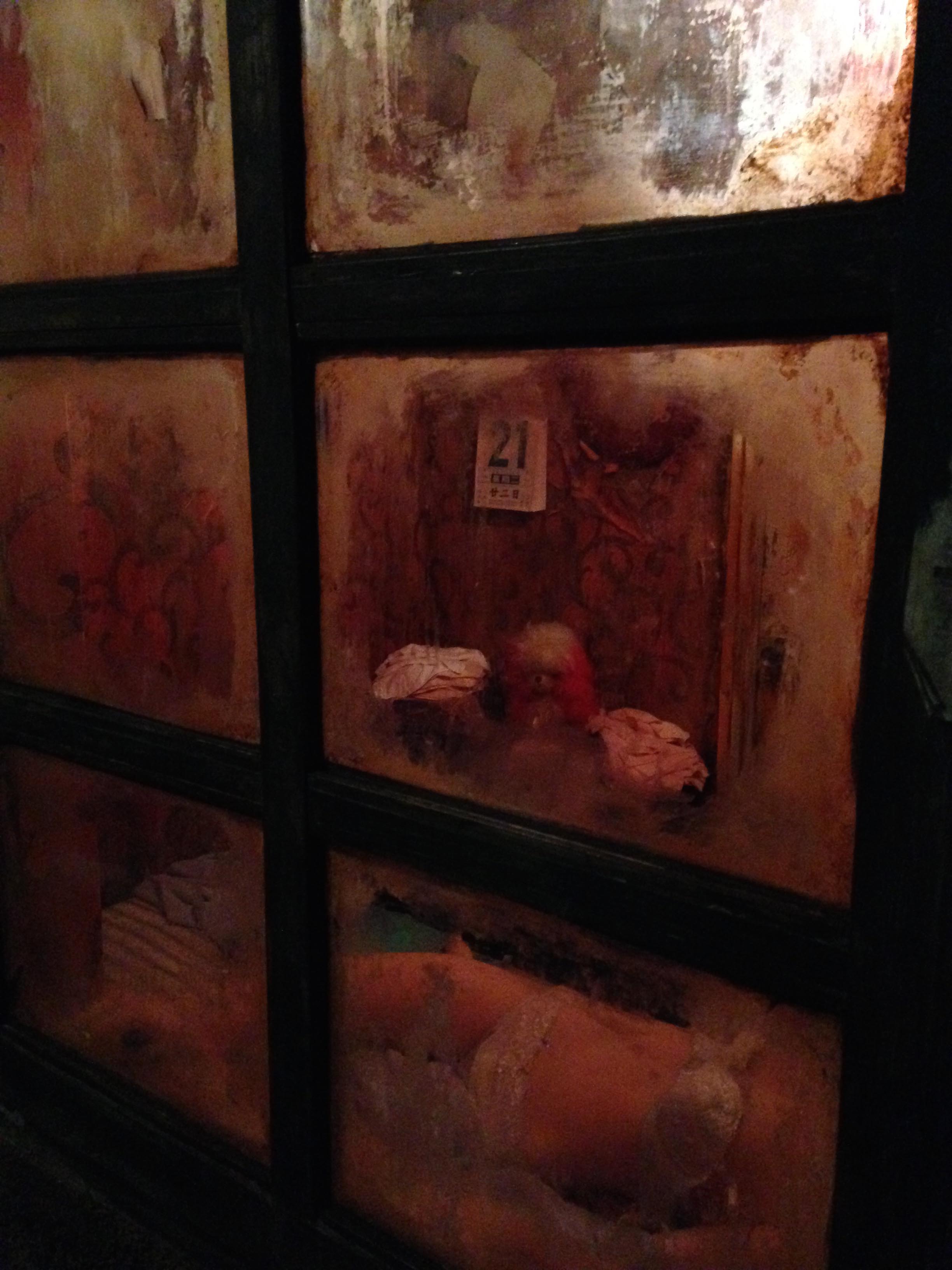
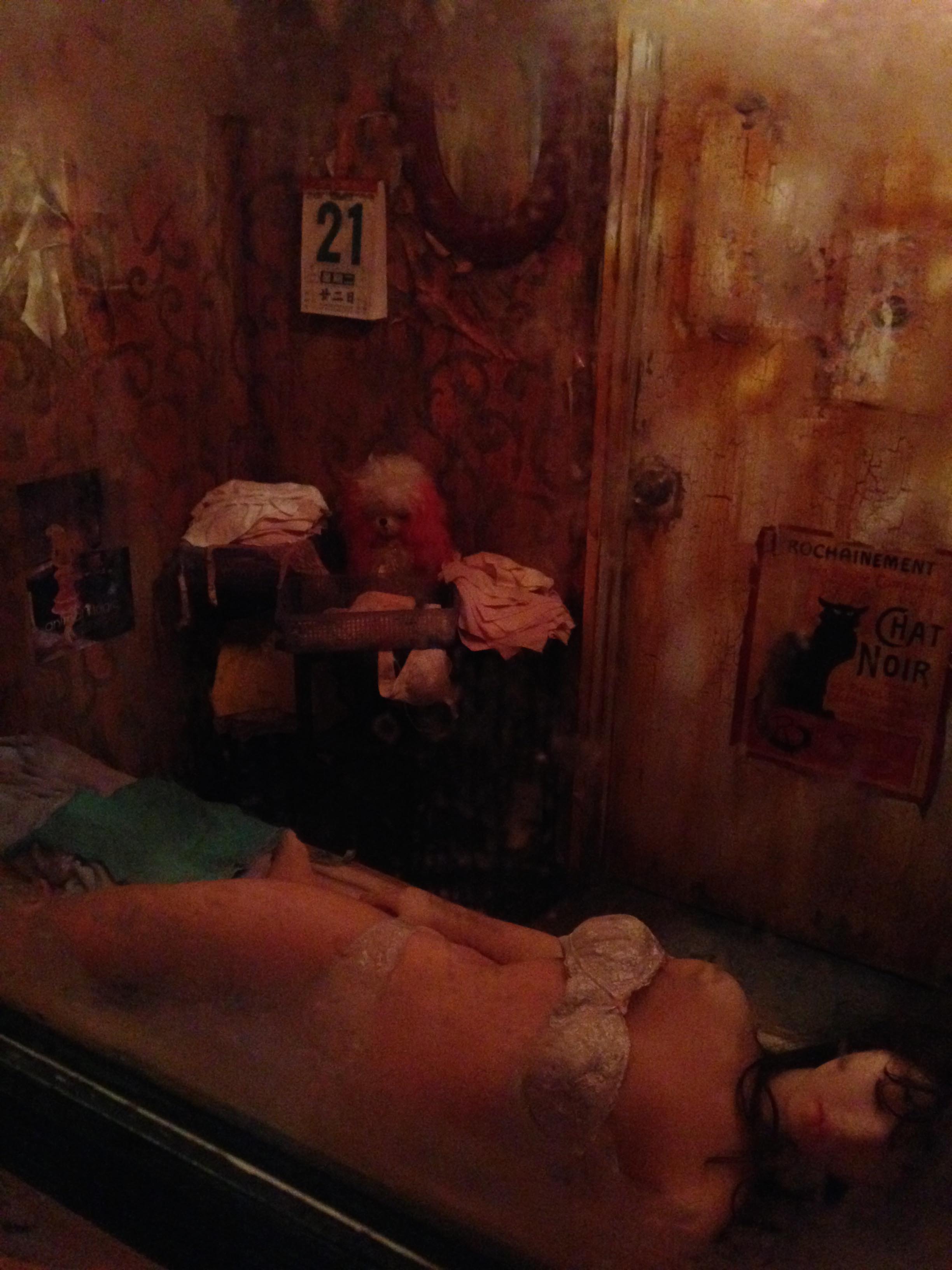
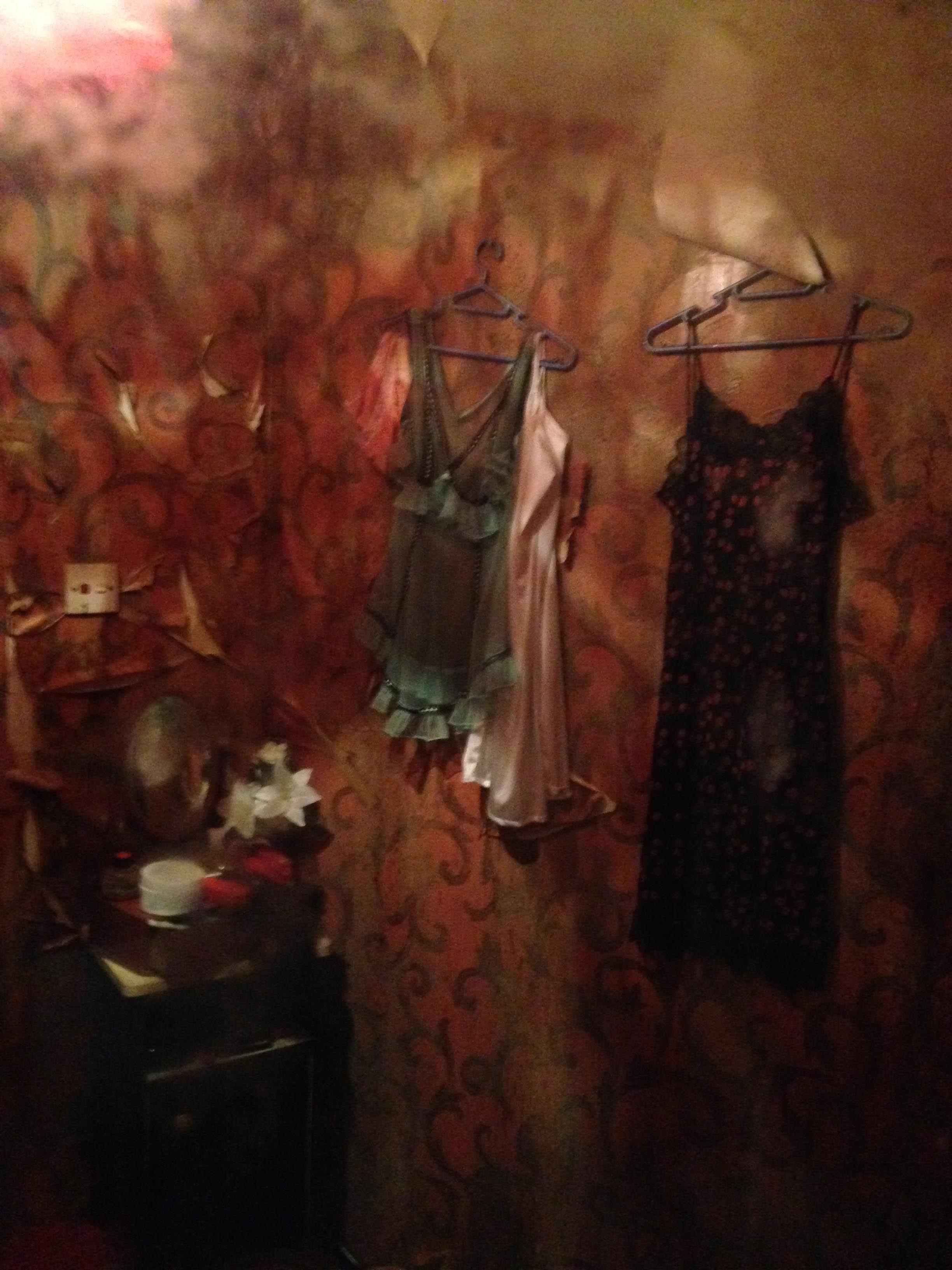
Inside you have to walk past pretend drug dens and prostitutes

KowloonJapan_3

KowloonJapan_4

Until it opens up into a re-creation of the bustling city courtyards

KowloonJapan_5

KowloonJapan_6

That just happens to have an old-school video arcade inside!

KowloonJapan_10

KowloonJapan_11
Everything from Taito’s original three screen Darius
KowloonJapan_12
To a sit-down Outrun cabinet
KowloonJapan_13
To more recent offerings like Nintendo and Namco’s Mario Kart Arcade

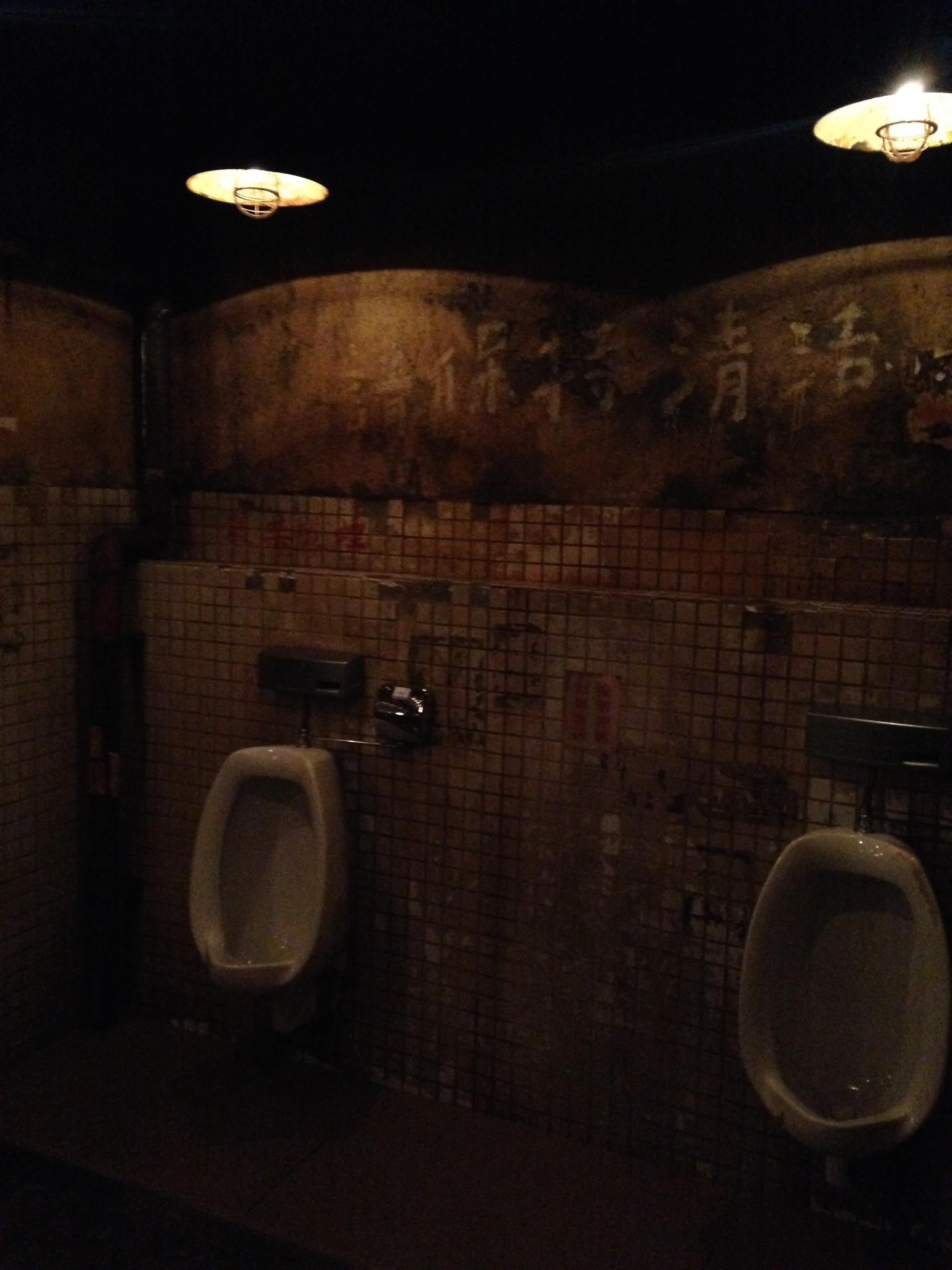
Even the bathrooms match the theme

KowloonJapan_15
I’m assured the ladies was much nicer!

Upstairs there’s a weird renaissance theme, and classy layout for various parlour games

KowloonJapan_16 KowloonJapan_17 KowloonJapan_18

KowloonJapan_19
And of course, Pachinko and crane games.

Well worth the trip out to Kawasaki!

More photos:

  KowloonJapan_8 KowloonJapan_20KowloonJapan_9726KowloonJapan_9741KowloonJapan_9769 KowloonJapan_9795KowloonJapan_9801 KowloonJapan_9781KowloonJapan_9813 KowloonJapan_9824 KowloonJapan_9830 KowloonJapan_9836 KowloonJapan_9837 KowloonJapan_9841KowloonJapan_9725 KowloonJapan_9751 KowloonJapan21 KowloonJapan_9727KowloonJapan_9742 KowloonJapan_14


Nintendo and other gaming in mainland China

China is a strange place when it comes to gaming. Despite the proximity, Japanese consoles have rarely had much presence, as most of China wasn’t developed enough during the age of their rise. You do find the odd arcade, and like everywhere else, terrible ‘free to play’ mobile games have taken over in the last couple of years.

Nintendo and their characters are as present as any pop-culture icons. They exist in the copyright wild west of China’s major cities primarily as pirated merchandise (with a few examples of legit merch). But there was no sign in any stores I saw of the actual main Nintendo products – the games themselves.

Here’s a photo journal of some of the gaming stuff I came across on a trip through mainland China.

Beijing

ChinaGames_6297
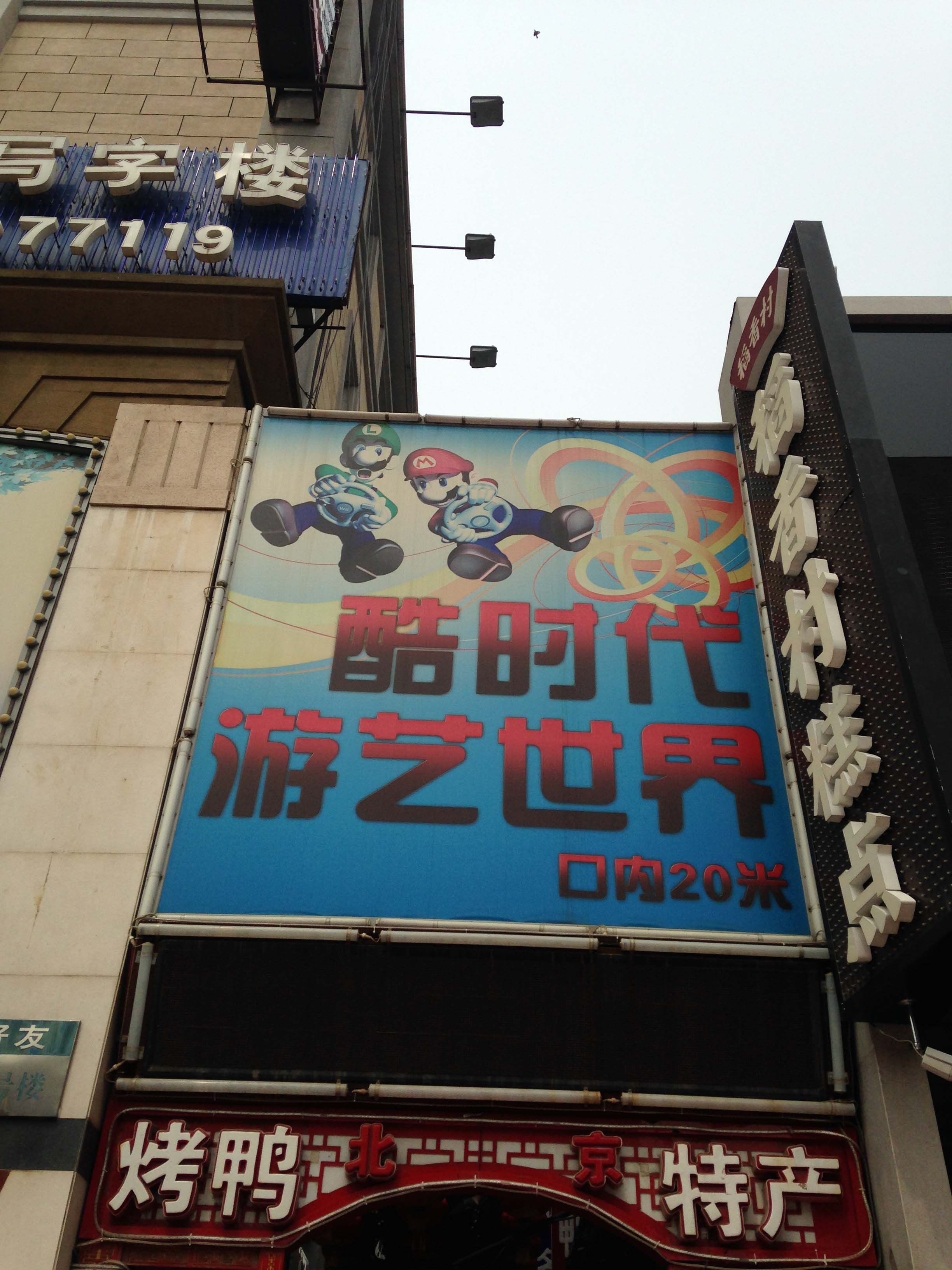
Mario Kart Wii used as a sign for…
ChinaGames_6301
90s (and early 2000s) arcade games by Sega, Namco, Capcom and SNK!

ChinaGames_6309

ChinaGames_6311

 Xian

ChinaGames_6719
So weird how you can get Mario Happy Meals, how would they even know what a Boomerang Bros suit is?
ChinaGames_7008
At a Xian ‘indoor market’
ChinaGames_7063
As far as I can tell, the Wii U isn’t even available in China. Yet here’s a Mario 3D World toy.

Xiamen

ChinaGames_7070
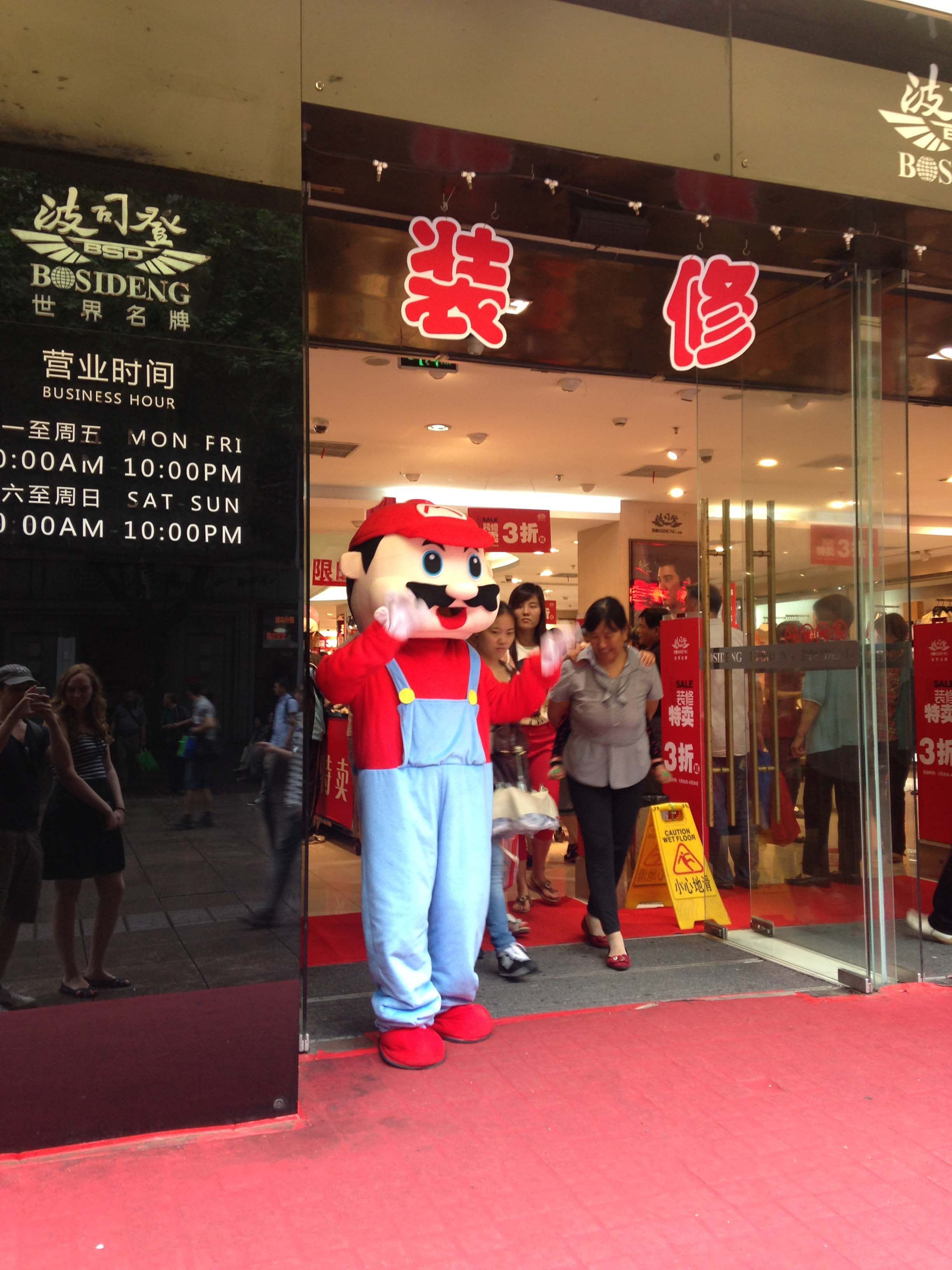
Mario sells men’s clothing in Xiamen. A very strange city, it’s like a dying tourist town.

Shanghai

ChinaGames_7090
‘Shanghai Fake Market’ – a huge indoor market with branded stores that haven’t paid for the branding…

ChinaGames_7094

ChinaGames_7089

ChinaGames_7058ChinaGames_7064

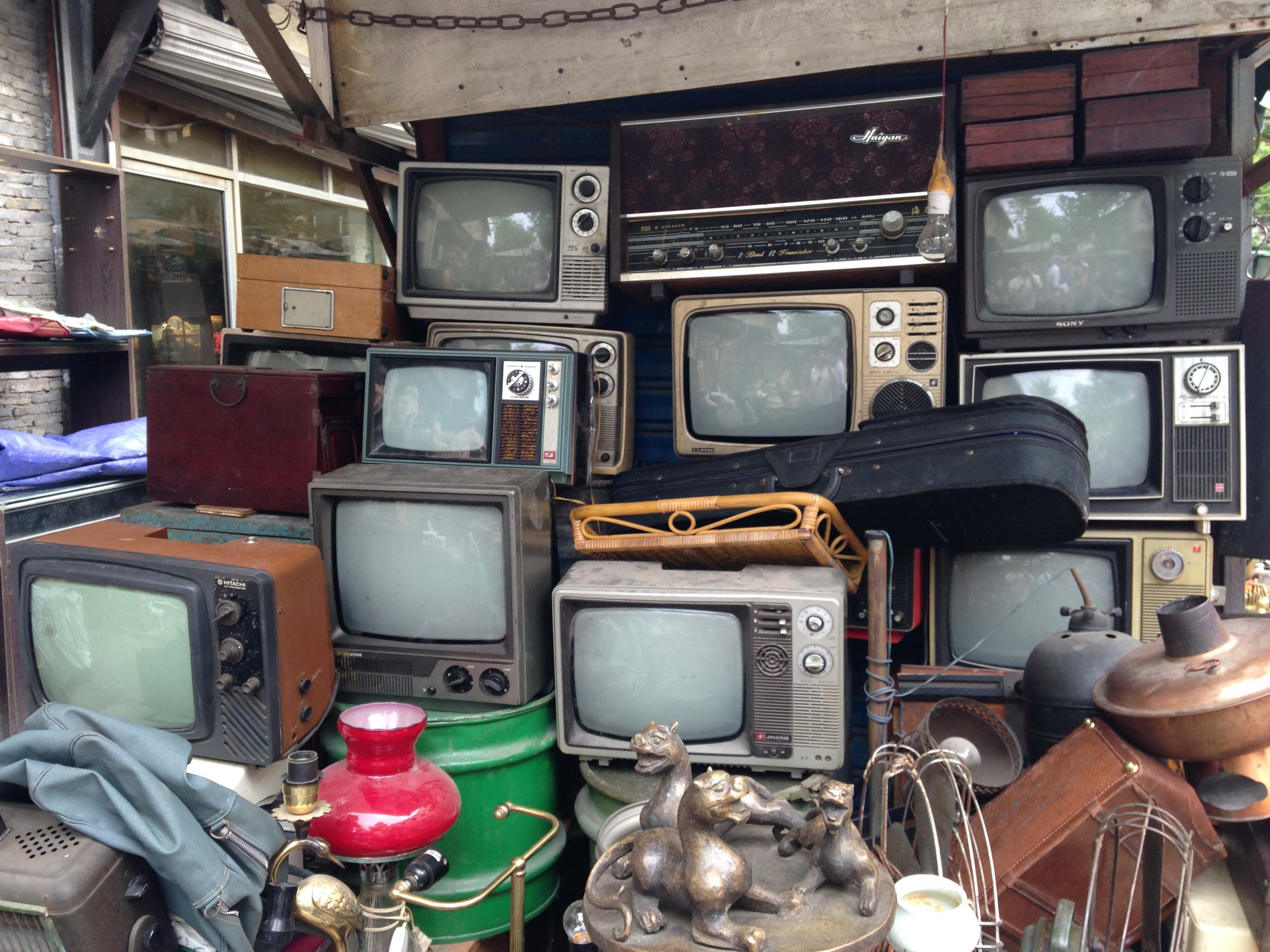
Ironically retro gaming would be easy in Shanghai – great supply of working CRTs available cheap at antique markets.

ChinaGames_7188