Sega Saturn Playstation Controller

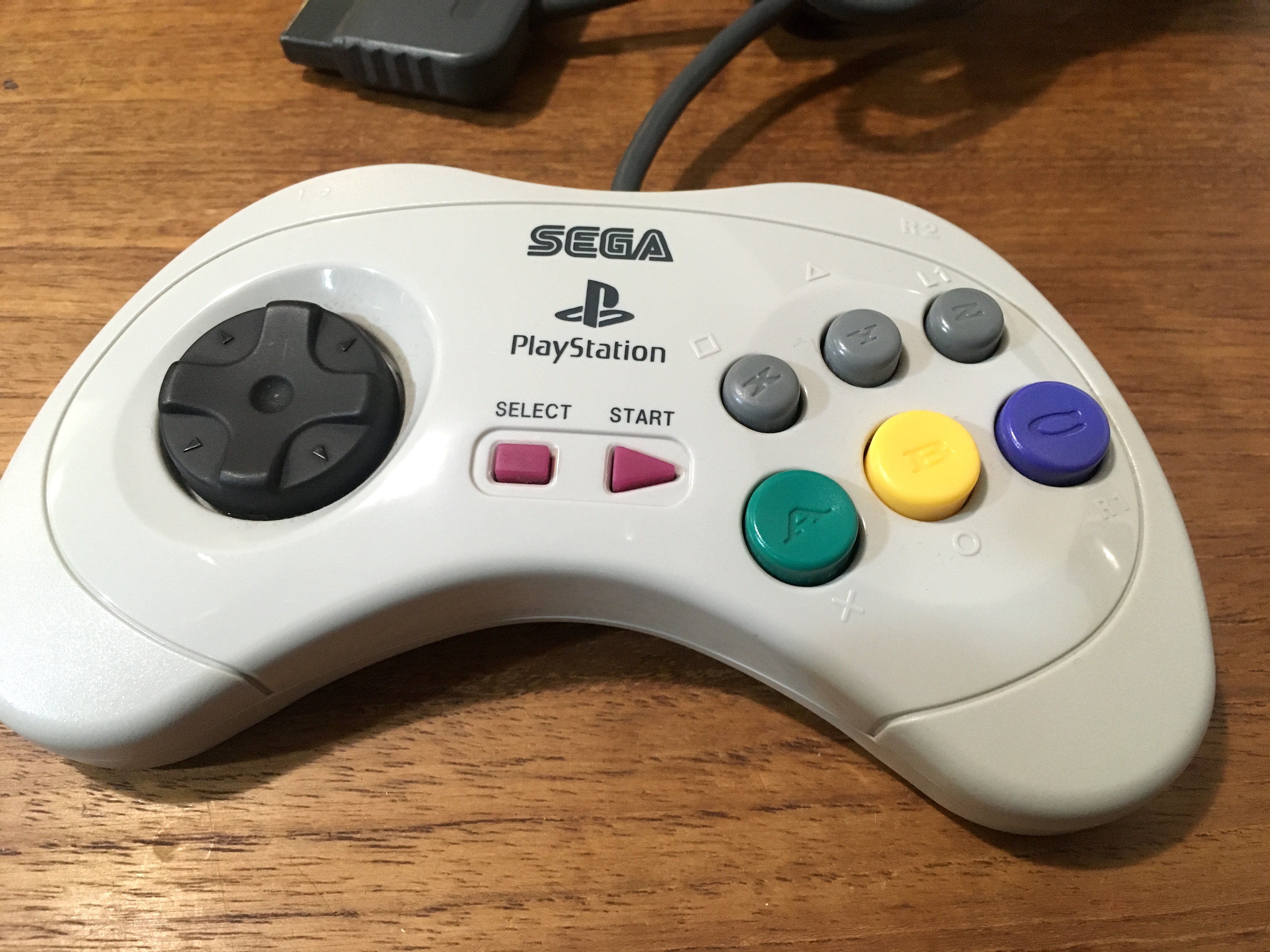
Here’s an interesting little gaming history item. The Sega Saturn Playstation controller. Fully licensed by both Sony and Sega. Minds would have been blown if you could have shown this to kids in 1995…

The full name is ‘Fukkokuban Sega Saturn Control Pad For ‘PlayStation 2’ and they were released in 2005 when the recently third party Sega saw a market for decent fighting game pads for the flood of fighters appearing on the PS2, in particular the recent Capcom fighting collections. There were a few different colours released, including a purple one which came bundled with Capcom’s Darkstalkers Collection.

It is also fully compatible with the original Playstation, so is a great way to play all the 2D fighting games on that console, as well as any other games that need a d-pad better for rolling between directions than the thumb destroying segmented d-pad of Sony’s controllers, or games that use six face buttons.

The unique set up with all buttons having dual labels matching both the Saturn and Playstation button names, plus the addition of a Select button mean it’s the only way to have full functionality on a Sony console while using the superior Sega controller shape and d-pad.

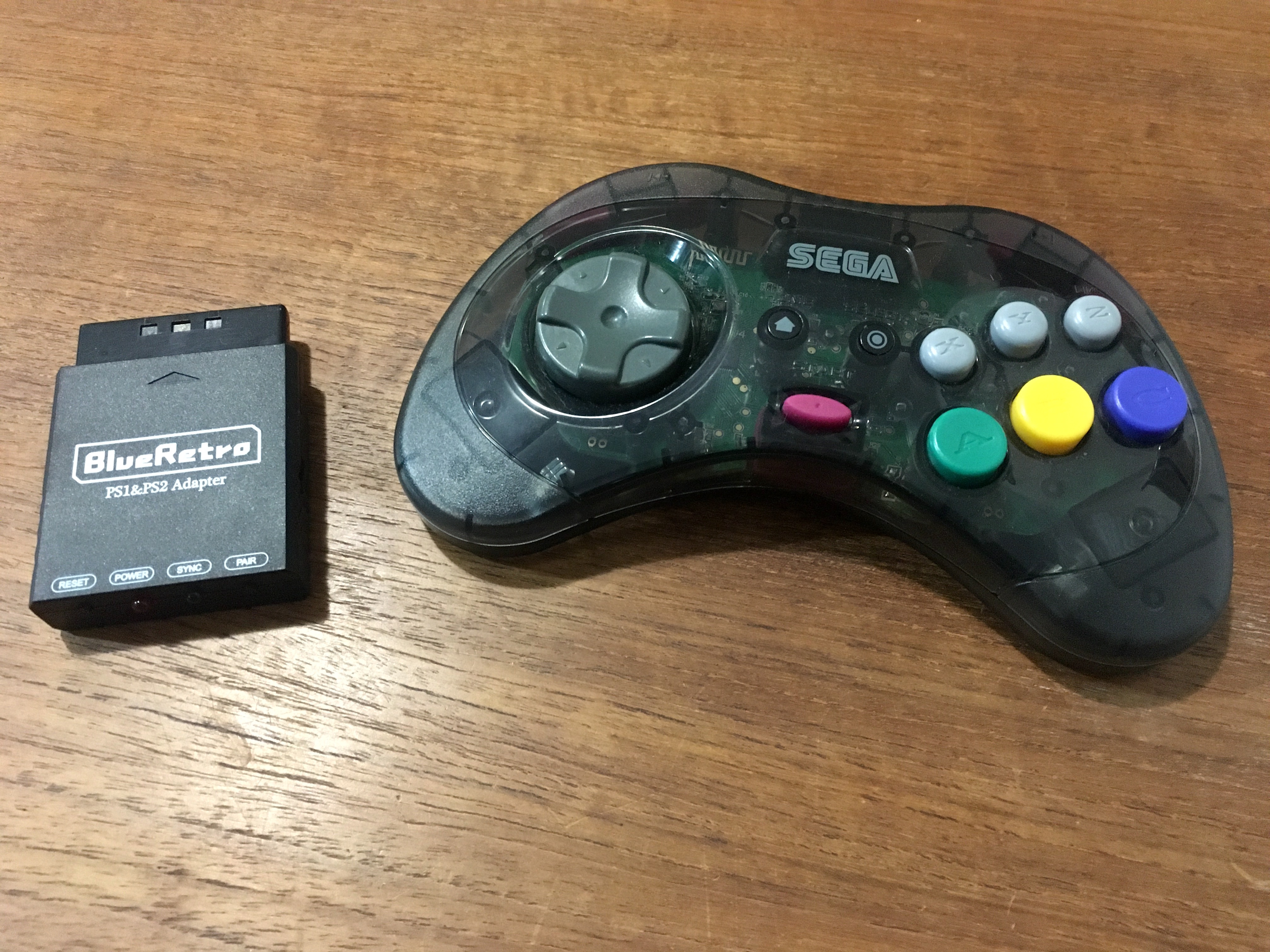
These days there are plenty of more flexible options for using a Saturn pad on almost any console thanks to protocols like BlueRetro. My current go-to us a Blueretro adapter and the Retro-bit Saturn pad.

But for nearly two decades this was my go-to for playing fighters and shoot-em-ups on Sony consoles. They’re quite rare and valuable nowadays so hard to get ahold of.

Australian soft box Master System games

With a pickup of a near mint copy of Casino Games, I’ve become (re)obsessed with Australian soft box Master System games.

This is purely nostalgia, because these were how the first ever games I played at home were presented, in ‘VHS clamshell’ style puffy plastic cases.

The Australian distributor for Sega were a company called Ozisoft, who were notoriously cheap. To save money they got the inserts and carts and manuals sent from Japan, but sourced cases locally from the lowest bidder, and you end up with these soft box variants of some games.

Regular cases were also used at various points in Australia so it was pretty randomised which version you could end up with. Originally these were generally considered the inferior versions to the hard plastic case releases, due to them being, well, inferior versions.

However these days the soft boxes are really hard to find in good condition, because they crush so easily most were destroyed or damaged over the years. So I grab nice condition ones when I see them cheap.

For more info on Ozisoft and Sega in Australia I’d recommend reading various items on Retro Gaming Australia, which isn’t updated anymore but has a lot of good info recorded about the Australian market.
8bitdo Wireless receiver mod for Sega Mark III

The 8bitdo Mega Drive Retro Receiver doesn’t work with the Mark III or SG1000. It connects but the buttons don’t work properly due to the extra signals in Mega Drive pads.

I’d given up ever having wireless on Mark III, but looked further into it, and it’s because the SG1000 and Mark III are mapped to the SG1000 keyboard interface. So how to reenable this?

Long story short, essentially (and pretty obviously) the Retro Receiver is acting like a Mega Drive six button controller which features a selector pin to allow for the extra buttons. SG1000 and Mark III buttons are all active low inputs pulled high by the console, and all the controller does is ground them.

So by killing the selector pin 7, it may work…

And Robert’s your mother’s brother. Wireless official Famicom dogbone (using an 8bitdo mod kit) on the Mark III.

I feel like maybe I should re-use my white Saturn pads (with 8bitdo mod kit) for Mark III to keep it all Sega, but it feels weird with so many unused buttons. And the dogbone just feels great for Mark III. It’s actually quite a revelation to use such a solid non-floaty dpad on Sega 8-bit games.

Modding the Sega Mark III for more recent Master Everdrive support

I decided to mod my Mark III consoles to work with the later Everdrive OS versions. The original Master Everdrive works on a Mark III using the oldest versions of the operating system, and this is what I used to make my Mark III Everdrive back in 2015.


It also seems in the intervening years some sellers have commercialised this idea with 3D printed shells, based on images I’ve found.

However, this version of the Master Everdrive is no longer sold, and the new version (and most clones) just won’t work on Sega’s white wonder.

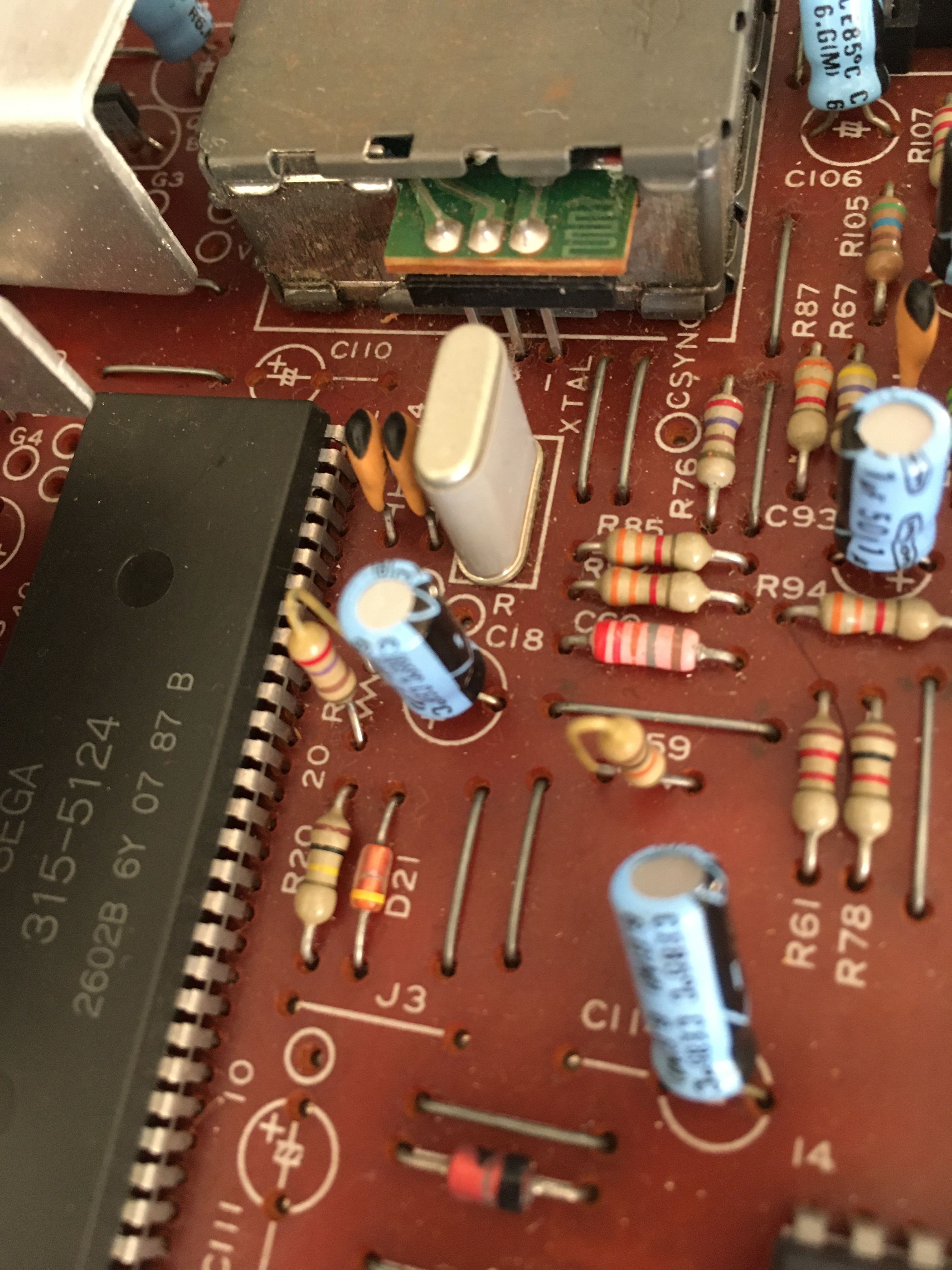
Using info found on SMS Power by user Neto, you can get it booting by changing the value of the capacitor at C18.

Finding the points on the bottom of the board, I add some extra fresh solder, then heated up the points and used a solder sucker.

Unfortunately the first time I did this, when pulling the legs of the old cap up from their bent position, the solder pad came off. I guess messing with 38 year old pads can have issues.

To repair I followed the trace it on the board and connected it up where it should be, the console booted but acted weird, it would keep resetting.

I had to pull up the schematics:

And found killing the pad had essentially killed two traces, and I had to wire the positive leg of the cap between a resistor and a leg on an IC, and then it was up and running.

On my second Mark III it looked like I would have the same issue, as I pulled up the capacitor leg the pad started coming with it, so I just clipped the legs of the old cap on the top of the board and fed the new one through.

I then soldered it up and clipped of the excess. And now it’s up and running perfectly with the latest firmware.

There is one downside. It seems changing this value on bootup affects region selection in some way, and some real western Master System carts now fail to utilise the FM module, and revert to PSG audio.

It only affects some games – of those I tested I found Rastan, Galaxy Force and Wonder Boy III: The Dragon’s Trap played in PSG, while Cloud Master and Wonder Boy in Monster Land still worked with FM.

There are two potential fixes. The first I worked out myself is that this process can be semi-interrupted by holding reset on boot, this returned FM sound to Rastan but it still failed on others.

The second is even better. A recent post by ApolloBoy six years later on the exact same SMSPower thread suggests another capacitor value, 1uF instead of 0.1uF, which has the everdrive still working but FM restored in at least one game. I’ll test this soon!

My current gaming set up (2022)

With the birth of my little boy and moving house twice I’ve had a busy couple of years! The upside is I finally have space for a permanent gaming (and VHS) set up tucked away in a corner.

Setup2022_5536

There’s a TV just for VHS, plus several for gaming. The screens on the top left are 80s monochrome PC monitors, which are great for certain specific things but not everyday drivers. On bottom left is the main gaming monitor, a Sony PVM.

Setup2022_5539

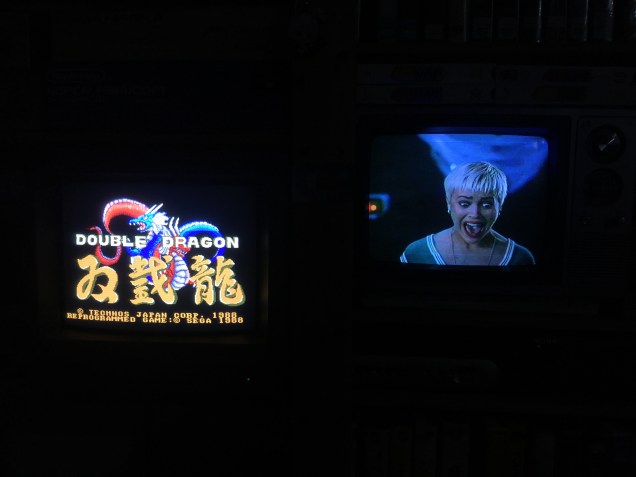
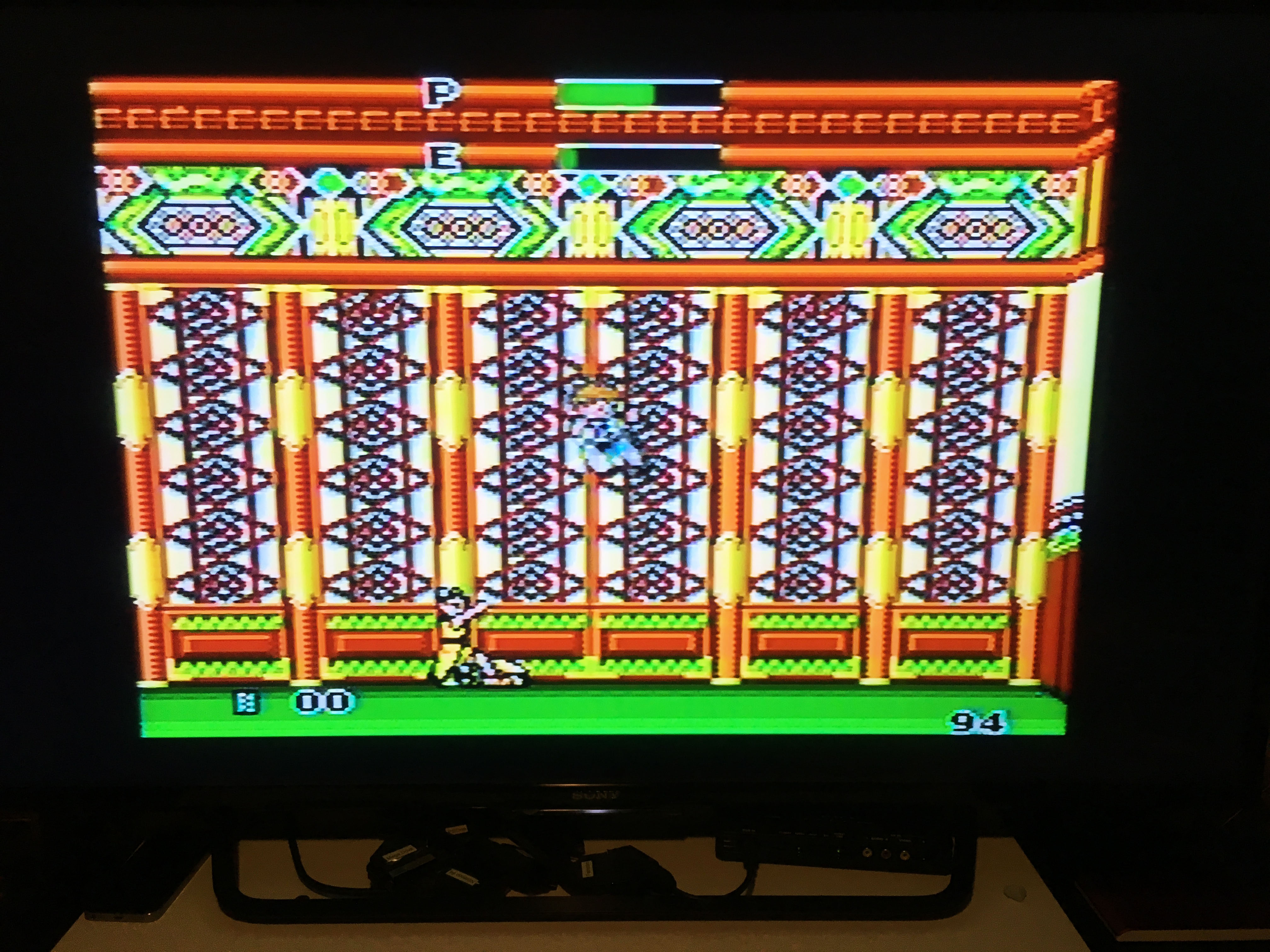
It’s the perfect combo for playing Double Dragon while watching Double Dragon.

Setup2022_5548

Yes we agree Marian. The hit detection is terrible on the Mark III port!

Game Box Protectors – Japanese Sizes Part II

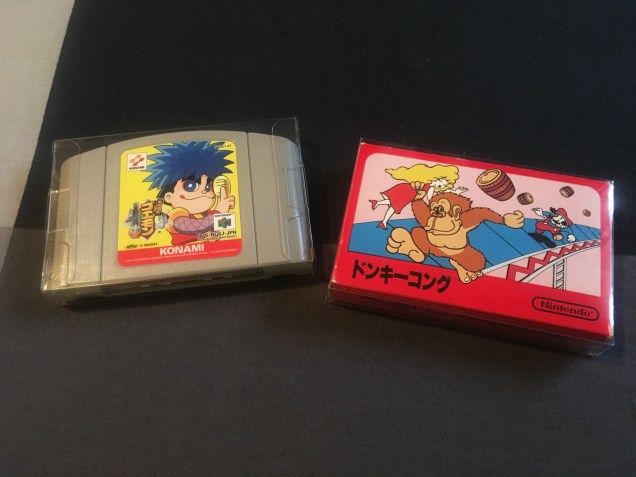
Box protectors for games started popping up around 20 years ago, and are a great way of keeping vintage games protected but still accessible and playable. However it has taken a very long time for certain box sizes to get protectors that fit properly, particularly Japanese box sizes.

In my previous post on the topic, I looked at some (at that time) newly available sizes for Japanese Game Boy and Game Boy Color games, as well as some custom protectors I had produced for Japanese Sega games, plus some suggestions I had used for certain other types.

Well, progress marches on, and there are even more sizes available today. Better yet, Chinese producers have gotten in on the game, meaning cheaper prices direct from China, versus resellers in various countries all over the globe with big markups and sometimes very expensive postage.

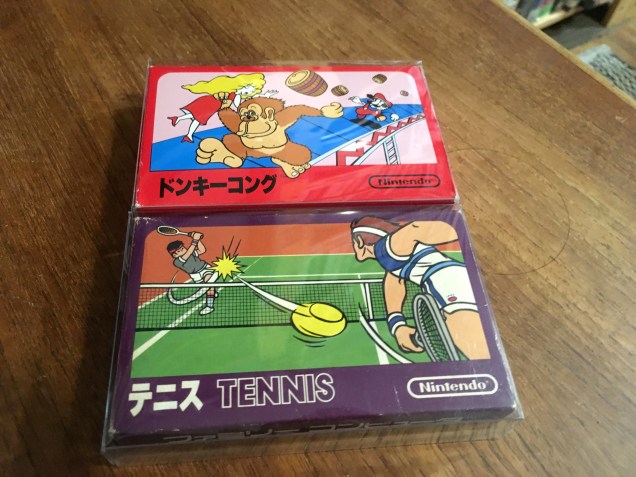
Custom protectors for Famicom medium and small boxes

Previously I’d been using Japanese Game Boy Advance protectors for my ‘mid size’ Famicom boxes. They had a bit of room to move, but it was the best option at the time.IMG_5419

But now there is a custom snug fit option.

Boxprotectors_5524

Similarly, previously I’d been using protectors designed for Nintendo 64 cartridges for small box Famicom games.

SmallBoxFami_5492

They were not the greatest as they were a bit tight width wise, but worked okay due to being taller. But now there’s a custom snug fit for these too.

Boxprotectors_5525

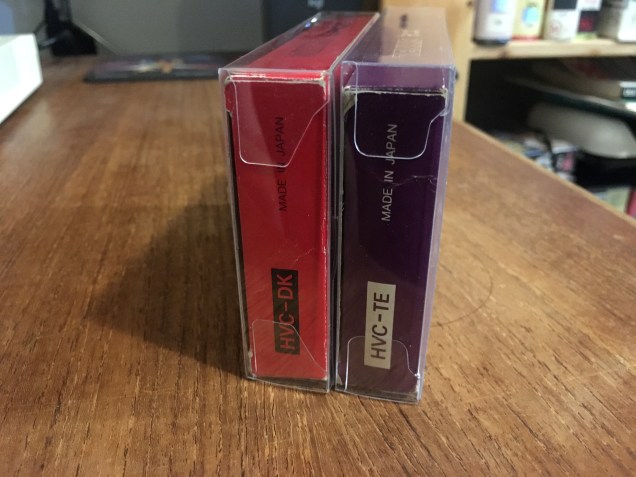
It’s hard to tell from the front, but you can see the better fit more clearly from the side.

Boxprotectors_5526

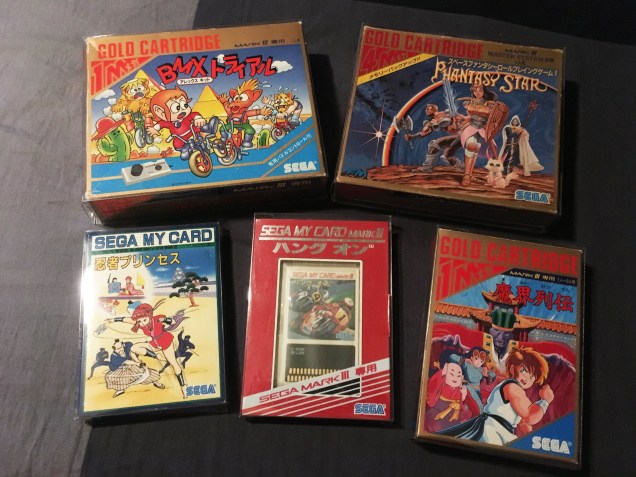
Sega Mark III

This one had me quite excited. I’d previously had some custom boxes made for my Sega Mark III and SG1000 games of various sizes, as no other sizes were close enough for an adaptation. These custom ones were quite expensive!

Customs

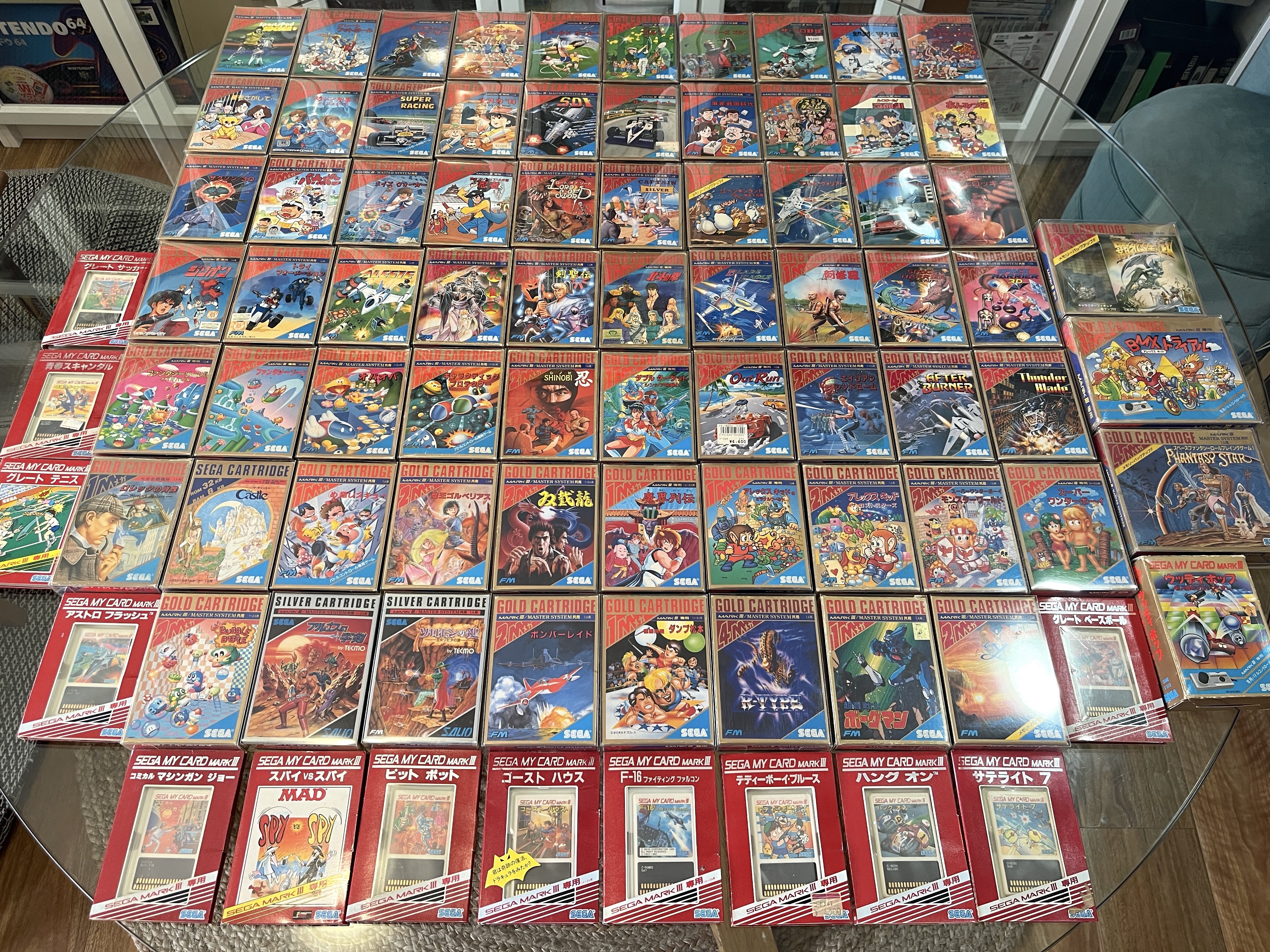
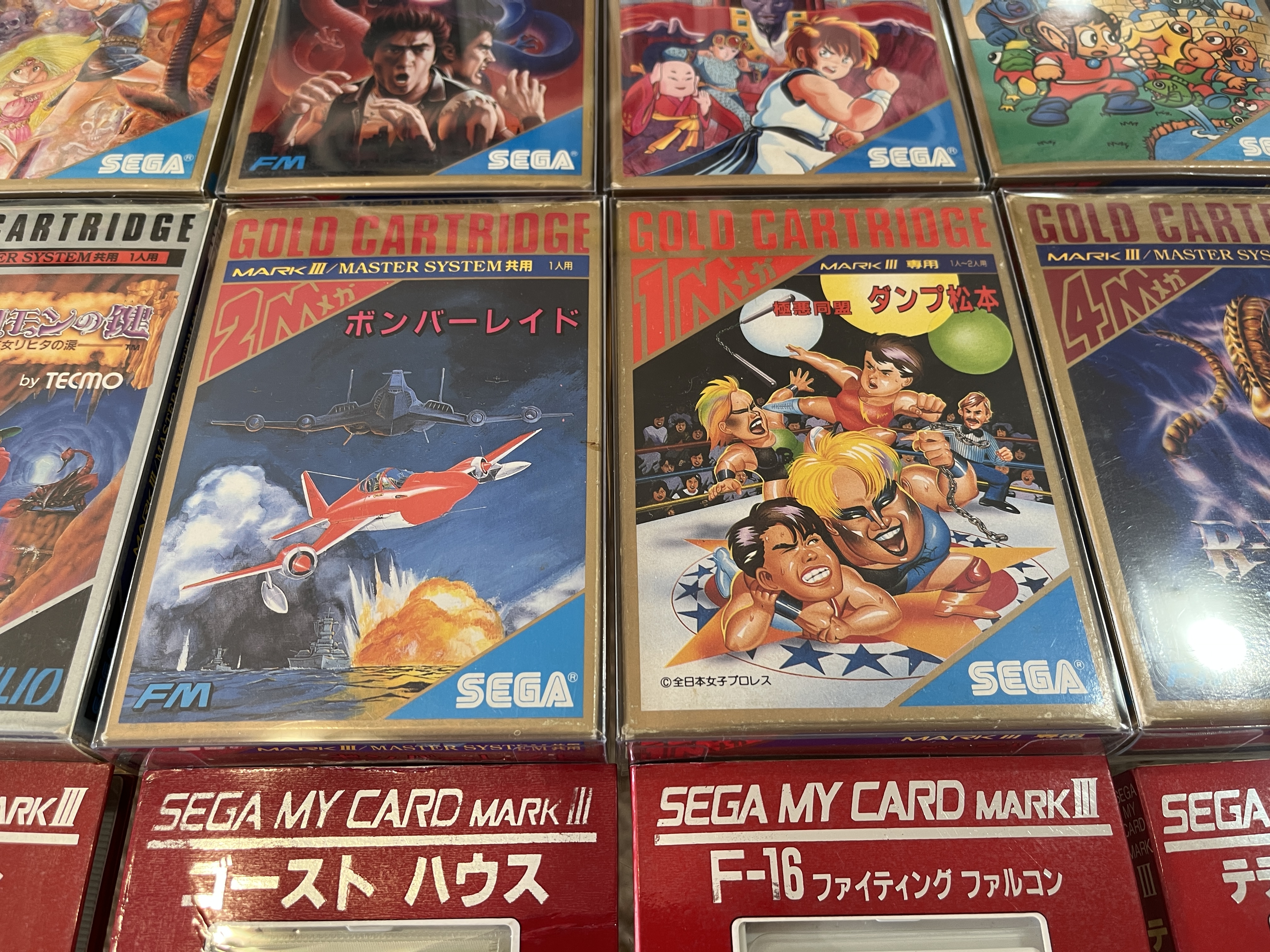
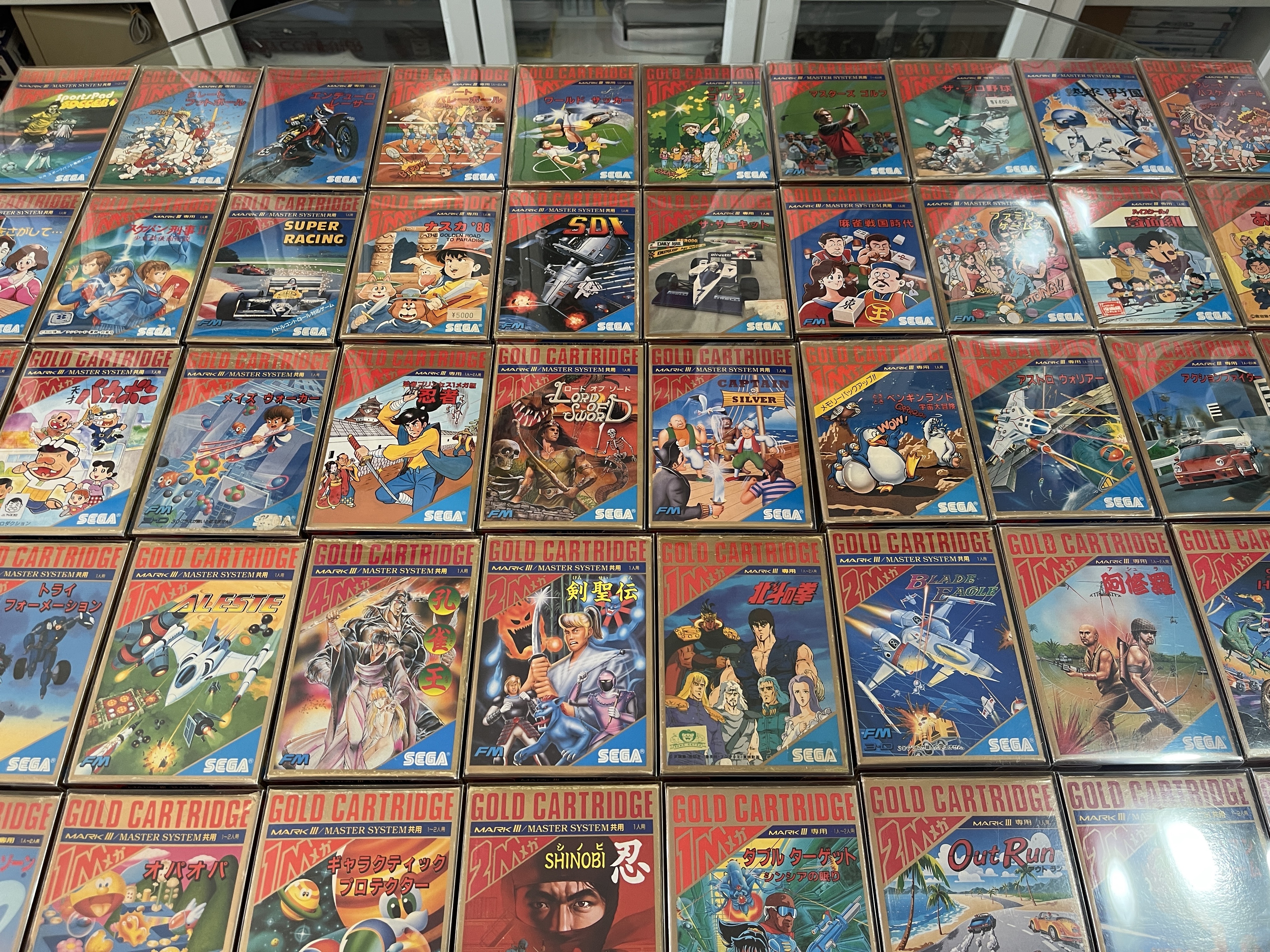
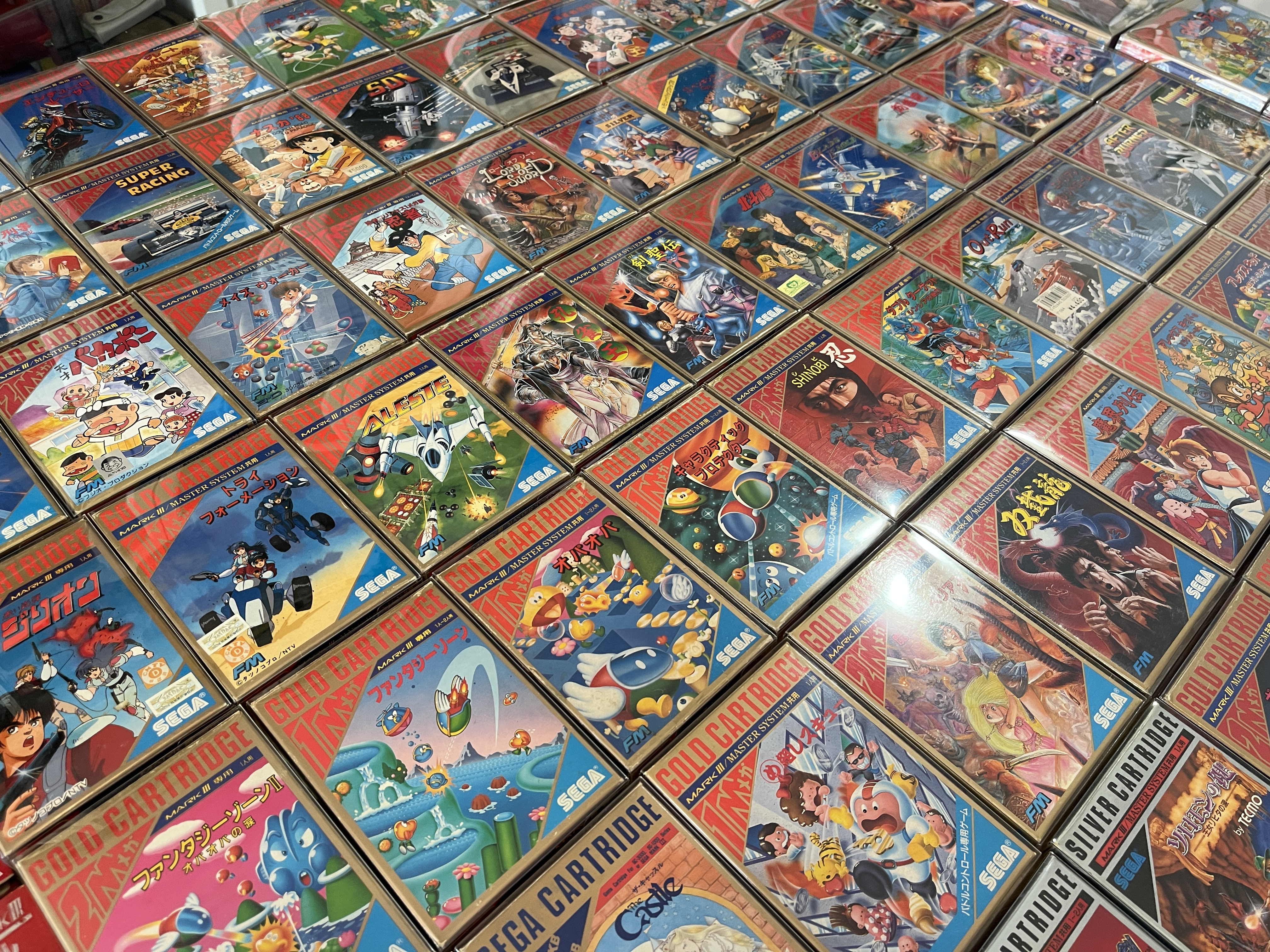
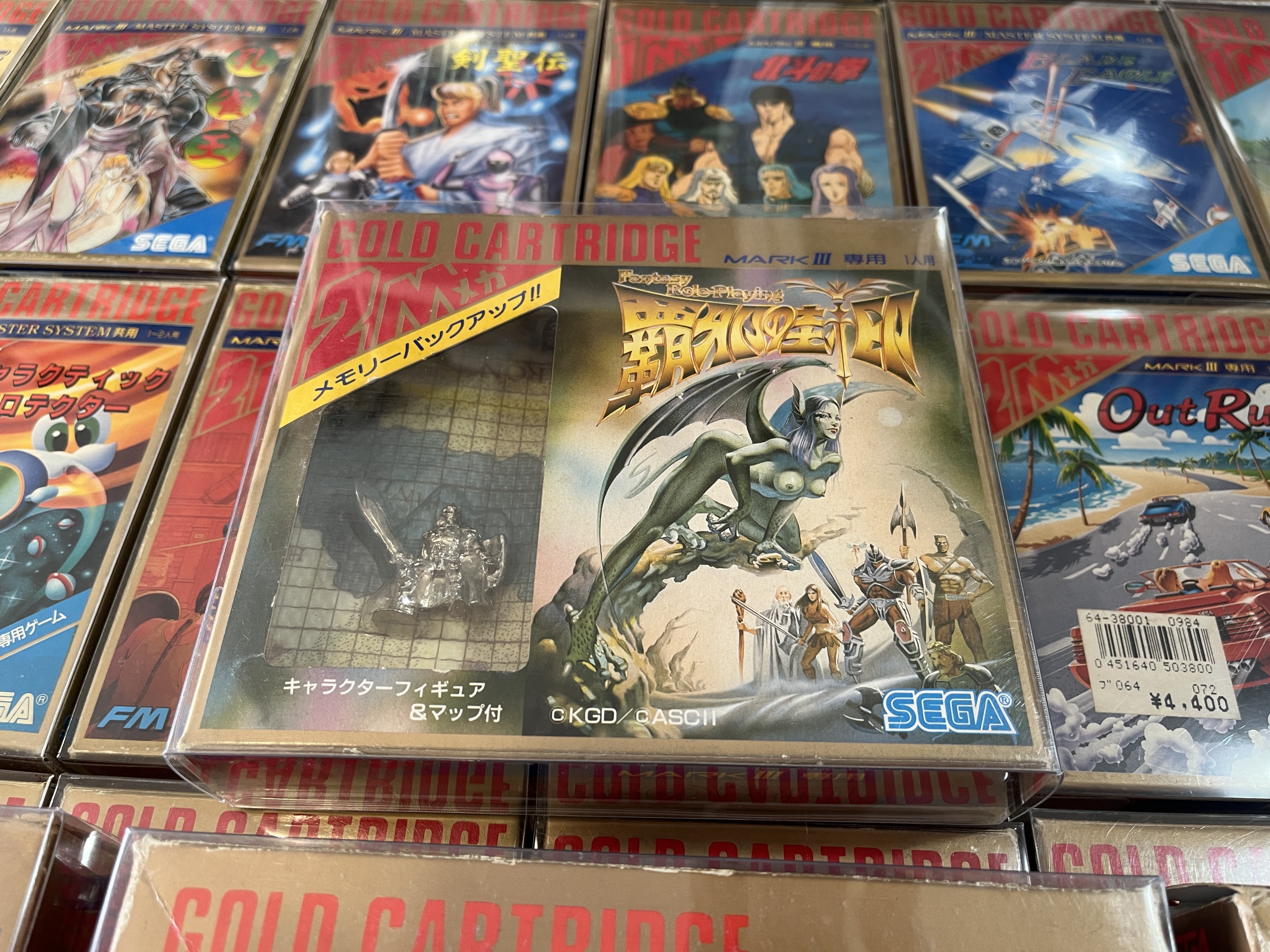
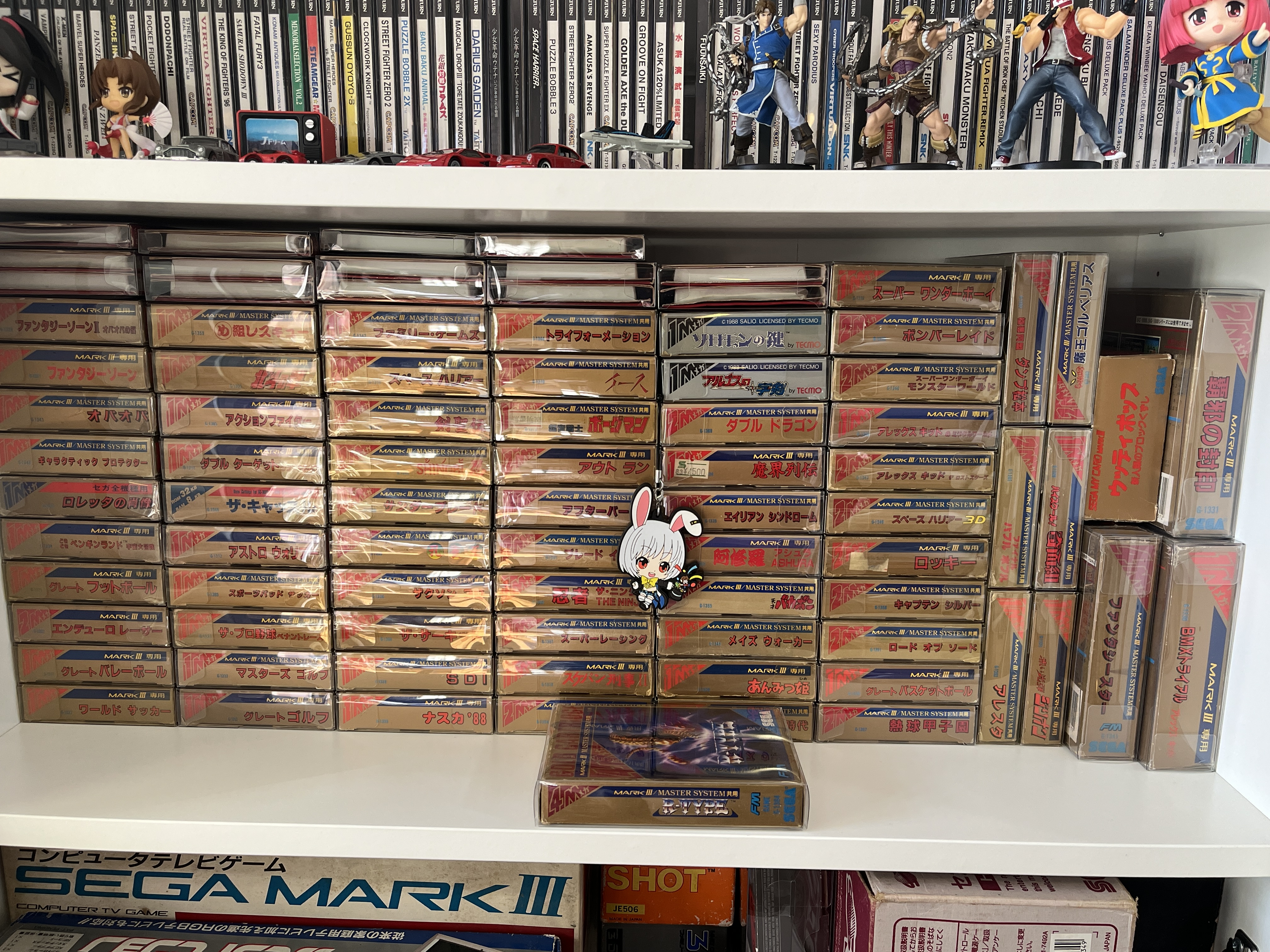
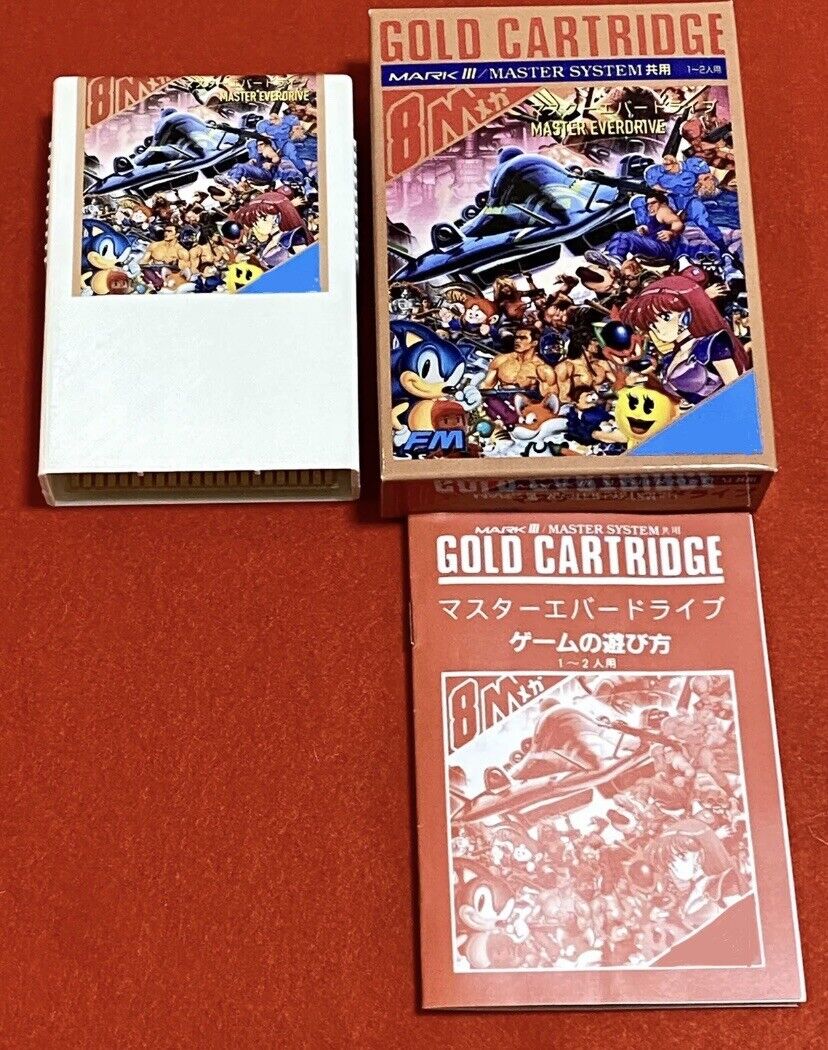
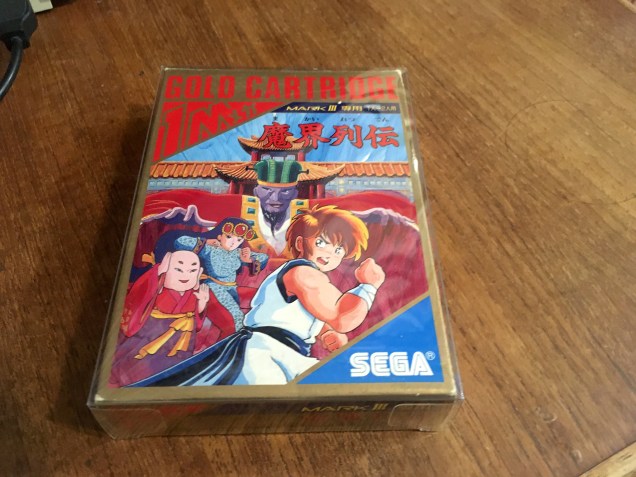
But now there’s a regular commercial option, at least for the most common Gold Cartridge size.

Boxprotectors_5527

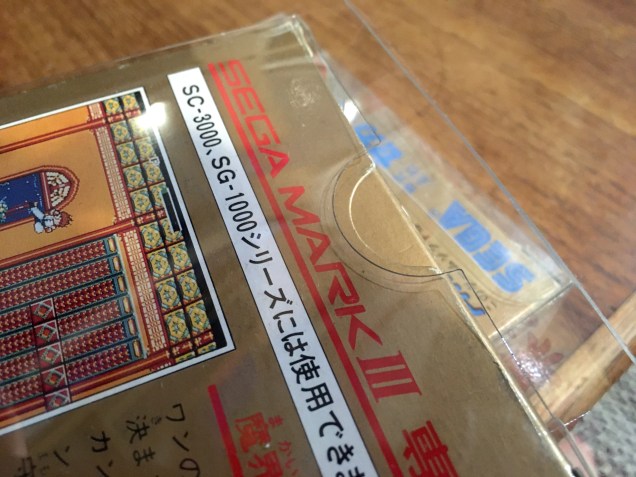
It also has a small upgrade, a circular cutout to help open the box flap with less risk of damage.

Boxprotectors_5529

That’s about it for now. I’m still waiting on custom sizes for the SG1000 small box, Sega My Card SG1000, and Sega My Card Mark III. They may be too obscure to ever get any, but hopefully one day!

The American Era – Japanese games on the Atari Video Computer System

Until the mid 1980s, console gaming was dominated by the American company Atari, and their home platform the Video Computer System, or VCS for short.
Ports of Atari’s own arcade games were the main selling points of the system, alongside Atari’s made-for-home efforts and eventually games by the first third party developer, Activision.

The VCS was not officially supported in Japan in the 70s (it was eventually released in 1983 as the 2800, far too late), but was sub-distributed in the country by Epoch, who also had their own line of consoles at the time. Nintendo was still releasing their single game Color TV Game series consoles. Japan was pretty much just a minor regional market in the grand scheme of things.

However, this changed in 1978, when Space Invaders by Taito became the biggest video game hit of all time to that point.

It was so big in Japan that entire arcades opened dedicated to that single game, but it was a huge hit everywhere in the world where games were played. Space Invaders was the start of what would eventually become Japanese dominance of the video game industry.

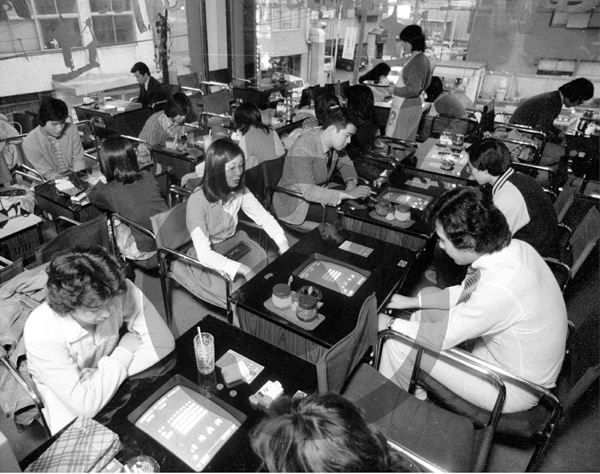
An ‘Invader House’ in Japan

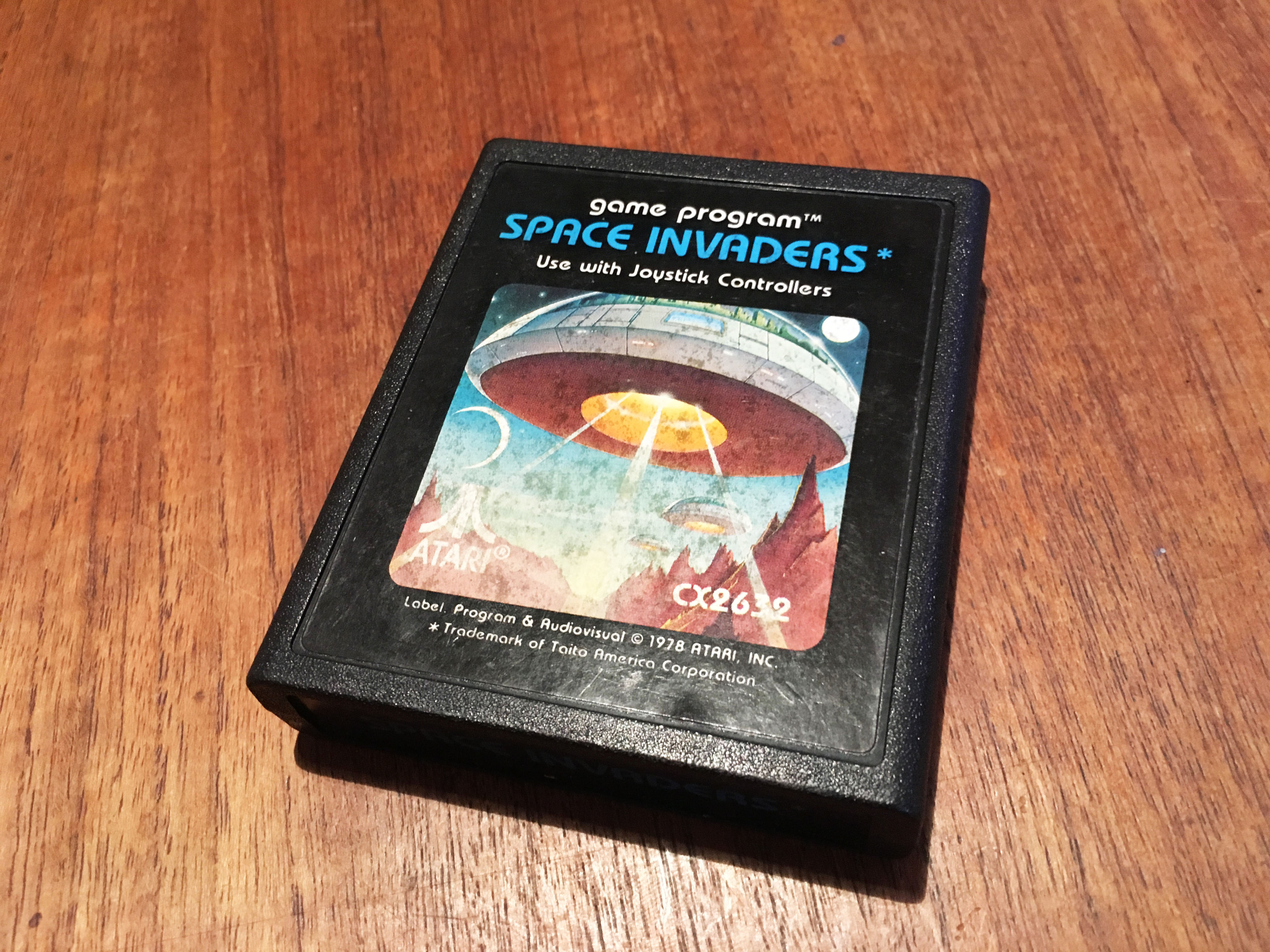
It was ported to the VCS in 1980 in the first ever licensing deal, and became the killer app for the system.

It was a decent port that resembled the arcade game well.

And was packed in with every console, leading sales to increase substantially.

From then on, all the biggest games seemed to come from Japan. Nacmo’s Puck Man (renamed Pac Man for the west) was the next big name, followed by Nintendo’s Donkey Kong.

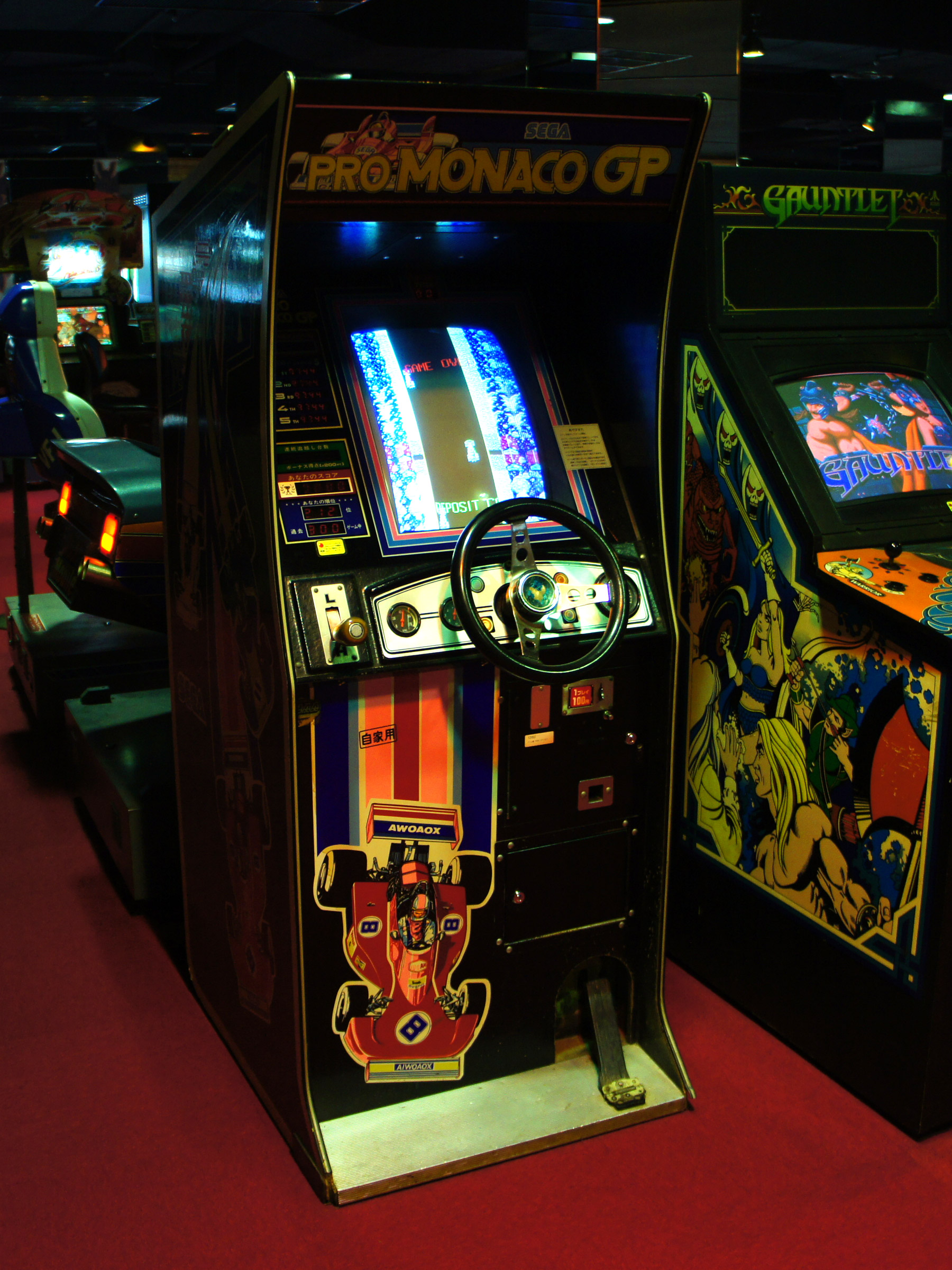
Another small Japanese firm named Sega were also making a name for themselves too, particularly with racing games like Monaco GP and Turbo. Having previously made mechanical arcade games, Sega games were known for fancy custom arcade hardware.

Steering wheels and sit down cabinets were Sega’s calling card.

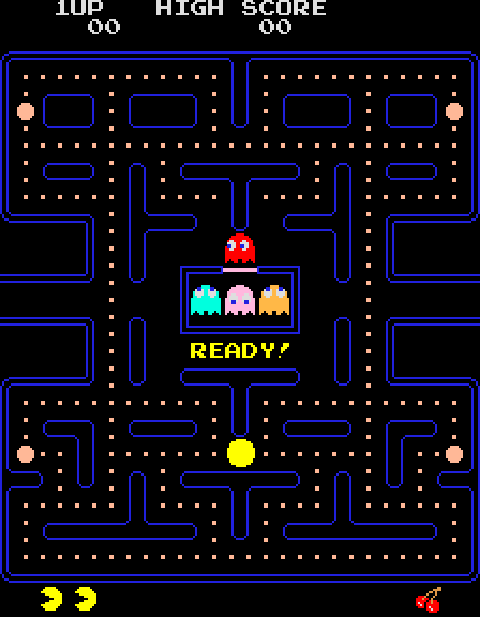
All these Japanese companies’ games made their home debuts on American systems. Pac Man had an infamously bad VCS port which was the start of a downward trajectory for Atari.

Pac Man? Is that you?

Coleco managed to sign up the rights for Donkey Kong and several Sega games for their Colecovision system, but also published them on the VCS. Though the ageing VCS hardware and shoddy ports did not do the games justice.

This was the last time for decades Nintendo and Sega games were officially published on the same platform, though some of Sega’s games turned up on Nintendo platforms in roundabout ways, such as Sunsoft’s publishing of some Sega games on the Famicom.

And thanks to Nintendo taking over Japan and then the world with the Famicom/NES, and then Nintendo or Sony winning every generation since, to this day Japanese consoles have dominated. Though admittedly western software has regained sales dominance worldwide in the last decade.

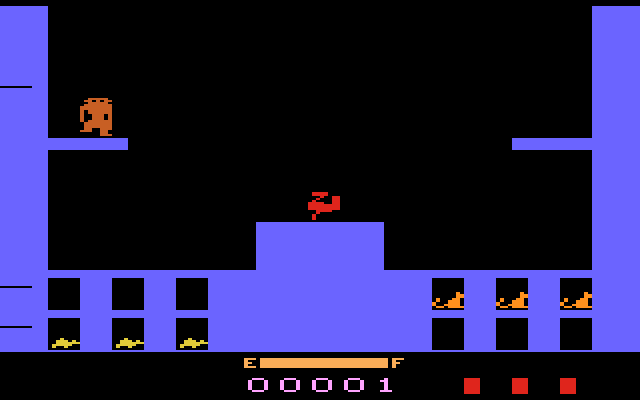
One final interesting note is that due to some licensing deals of the era, a Nintendo game was released on Atari VCS that never saw a release elsewhere. A 1981 Nintendo game called Sky Skipper was never released in arcades following poor reviews in location testing.

But a port by Parker Brothers made its way onto Atari’s system.

The port is not too bad, considering the hardware.

Sky Skipper was never released or ported to any other platform for 35 years, until it was finally released as part of the Arcade Archives series on Nintendo Switch in 2018.

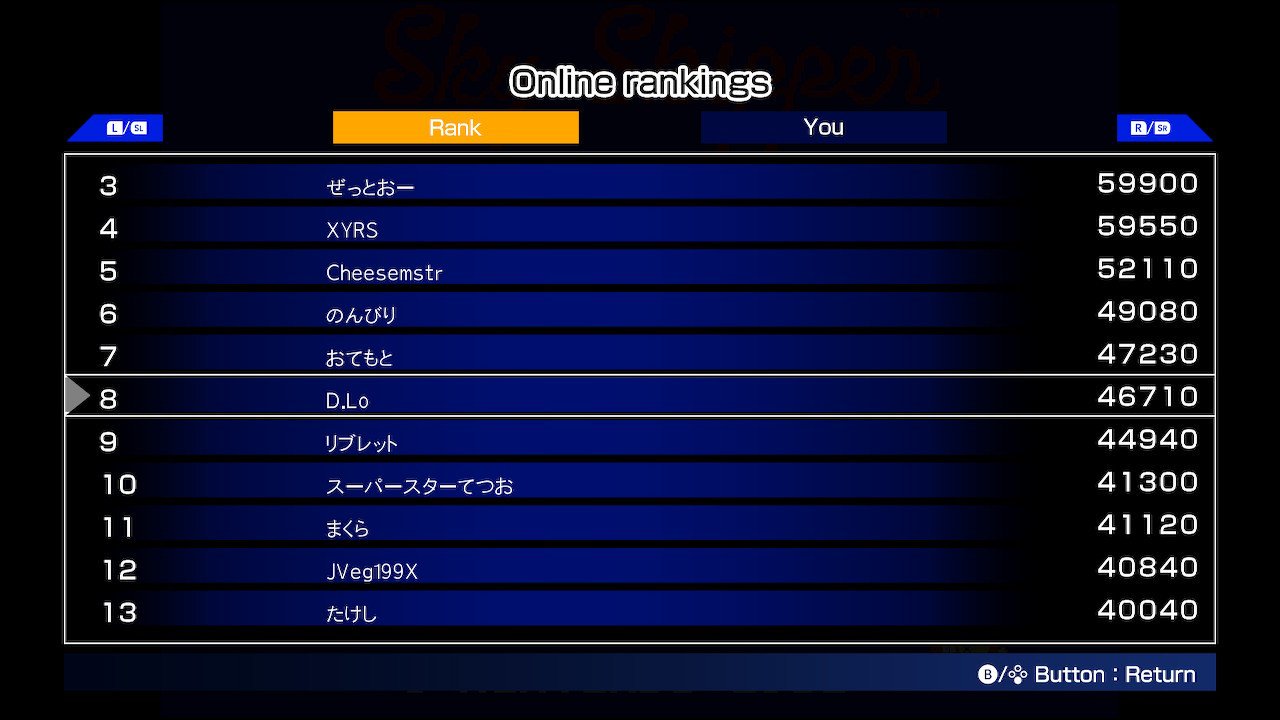
Shortly after release of Sky Skipper on Nintendo Switch, I was #8 in the world on the high score table. I’m sure scores have exploded since then…

First Edition Black Stripe/’Germany’ model Sega SG-1000 (エスジー・セン)

A while ago I got something rather special, the original ‘Black Stripe’ edition of the Sega SG1000. It’s also known as the ‘Germany’ model since it features a front panel with three colours that match the German flag.

This machine is somewhat analogous to the first edition square buttons Famicom model, in that it was the first ever model of the first Sega console, produced as a short initial run, but was quickly replaced by a revised model which became more ubiquitous. As such the majority of original SG1000 consoles feature the revised red/blue colour motif matching the blue Sega logo.

This one was in pretty rough shape physically, and was sold as ‘untested’. But it powered up fine.

And it booted and played a game perfectly the first time!

It obviously needed a good cleaning. For comparison here it was lined up with my restored square buttons Famicom.

On a side note, now that I have both true first edition models I should probably revise my 1983 Nintendo/Sega Face off article.

So I set out to restore it visually in the usual way.

In the meantime, I inspected the board and found something interesting.

It’s such an early model, Sega was revising the PCBs by hand! Later revisions had these trace fixes integrated into the PCB.

And here’s the restored console.

The label on the controller has seen better days.

But the main unit is now in pretty nice condition.

Finally, some glamour shots with its younger brother.

Sega Mark III Telecon Pack (テレコンパック)

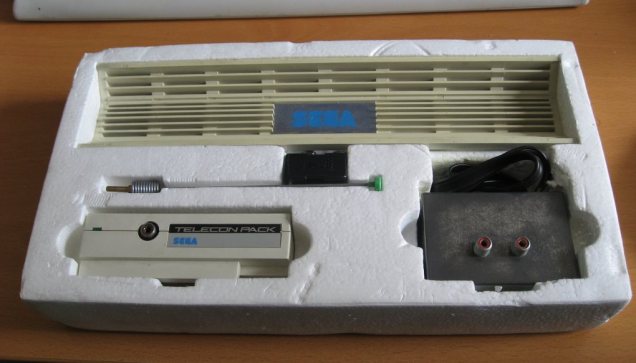
The Telecon Pack is a radio frequency broadcaster for the Mark III.

Sega really went nuts with the accessories in the 80s, but this one makes a lot of sense from a Japanese perspective. In Japan, consoles were designed to sit near the player, and run a long cord to the television. This is the reason Japanese controller cords are so short, and why the SG1000, Mark III and Master System have the pause button on the console – because it was assumed you’d have the console next to you on when playing.

The Telecon Pack would allow you to have the console on a side table at the back of the room with power cord tucked away, and avoid needing a wire to the television for the video and audio.

It connects via the AV port, and then broadcasts the composite signal via a Japanese TV channel.

It originally came with a satellite dish you could plug into your TV for reception, which I don’t have right now.

Picture courtesy of Sega Retro

But it actually works fine with a regular television antenna – as long as the TV can tune in Japanese stations. My current TV can, and the results are surprisingly decent. Powering up one of my favourites Makai Retsuden:

RGB via Framemeister for comparison below:

It also works fine with the FM adapter, which has the composite signal passed through the adapter cord.

It looks super neat this way.

FM adapter plus Telecon pack on Mark III is the original Sega Voltron console.

Grand Master Sega Voltron Challenge – Telecon Pack to Game Gear TV Tuner

So now we have a Sega console that broadcasts, and a Sega console that can accept broadcasts. Time for the ultimate combo!

The only Japanese TV tuner I have is from the white Game Gear, but unfortunately the white Game Gear needs repair, so I cannot make an all white Sega Voltron.

So I’ll sub in a working recapped Game Gear. I touched the TV tuner’s aerial to the Telecon pack’s aerial for maximum reception.

And there we have it.

Is it the least convenient way possible to officially play Mark III games? Almost certainly.

Sega Steering Wheel Handle Controller SH-400 (ハンドルコントローラ)

Here’s a pretty cool piece – the Sega Steering Wheel Handle Controller (ハンドルコントローラ)

It was designed for the SG1000, which had a few racing games like Safari Race

As shown on the side of the box.

And it was clearly styled to match the SG1000 II

But personally I think it’s best suited to playing Outrun – with FM audio – on the Mark III!


Mark III set up and ready to rock.

To be honest it’s slightly annoying to use, because Outrun requires you to hold one of the buttons to accelerate. But it oozes 80s charm, and this was the premium ‘Sega at home’ experience of the mid 80s.